
 Afrika
 Asië
Asië Europa
 Suid-Amerika
 Australië & Oseanië
 Antarktika
 Stille Oseaan
 Atlantiese Oseaan
 Indiese Oseaan
 Arktiese Oseaan
 Middellandse See
 Rooi See
 Karibiese See
 Koraalsee
 Suid-Chinese See
 Filippynse See
 Andamansee
 Noordsee
 Timorsee & Arafurasee
 Baai van Bengale
 Golf van Kalifornië
Dugite
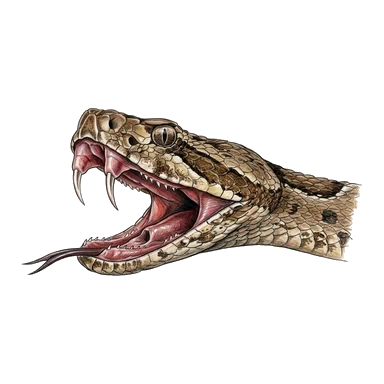 Byte
ByteThe dugite is a highly venomous snake found in southern Western Australia and in remote coastal parts of western South Australia. Its venom is potentially one of the most lethal in the world, so it is a snake to treat with great respect. It is common in and around Perth, where it often shelters near buildings.1
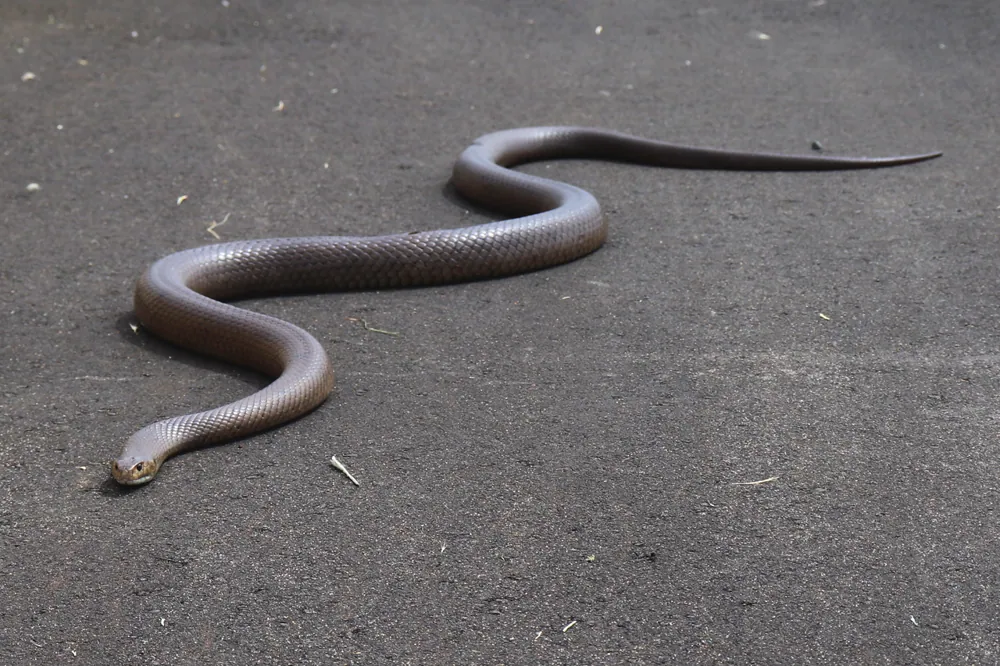
 Hoe om dit te herken
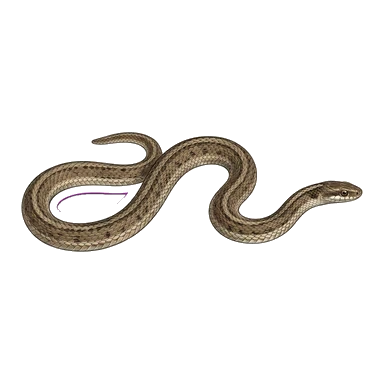
- Coloured grey, green or brown, but the colours vary widely between individuals, so colour alone is not a reliable guide.1
- Black scales may be scattered over the body.1
- Relatively large scales with a semi-glossy look.1
- The head is rather small and not clearly separate from the neck.1
- Long and slender body, typically about 1.5 metres in total length.1
Gifkrag
Gif kom deur sy giftande of tande uit wanneer dit byt.
Wat doen sy gif as dit byt of steek?
The venom has coagulopathic and procoagulant effects, meaning it disturbs the way blood clots. It is potentially one of the most lethal venoms in the world. In a 2011 case, a boy bitten by a dugite was temporarily paralysed, showing that the venom can affect the nerves and muscles as well as the blood.1
Hoe gevaarlik is dit vir mense?
Gevaar vir mense: Baie gevaarlikDit kan 'n mens doodmaak wat geen behandeling kry nie.Dugites are potentially lethal. They generally avoid biting people, but the risk of encounters rises during the mating season in October and November. The last recorded human death attributed to a dugite was in August 2015 in South Fremantle. In 2011 a seven-year-old boy was bitten and temporarily paralysed, and he made a full recovery.1
 Goeie nuus: dokters het 'n medisyne (teengif) of 'n behandeling hiervoor.1
Wat doen dit as dit bang is?
When disturbed they are very shy and often slither away, but they will defend themselves if cornered.1
 As dit byt
- Prompt medical attention is essential after a bite. In a December 2020 case, a three-year-old girl bitten by a snake believed to be a dugite was quickly immobilised by her grandmother, who wrapped her legs in pressure bandages. She was treated with antivenom in hospital and made a full recovery.1
- Drukimmobilisasie: draai 'n stewige elastiese verband oor die byt en dan op oor die hele arm of been, spalk dit en hou die persoon heeltemal stil totdat hulp opdaag.
- Moenie die byt was nie: hospitale kan die gif wat op die vel agterbly toets om die regte teengif te kies.
Bel altyd eers jou noodnommer (112, 000, 911). Dit is algemene noodhulpraad, nie mediese advies nie. Noodhulp-basiese beginsels
 Bly veilig
- Moet nooit aan 'n wilde dier raak, dit vang of terg nie, selfs nie 'n kleintjie nie, en selfs nie as dit lyk of dit slaap of dood is nie.
- Gee dit spasie. As jy een raakloop, bly kalm, stap stadig terug en laat dit sy eie pad gaan.
- As een jou byt: bly kalm, bly stil, bel jou noodnommer (112, 000, 911) of kom vinnig by 'n hospitaal uit. Onthou hoe dit gelyk het, 'n foto help.
Dit is nie uit om jou te kry nie. Dit gebruik sy gif om kos te vang of om homself te beskerm, en kruip baie eerder weg. Meer oor veilig bly
Waar in die wêreld?
Hoe groot is dit?
Hoe lank is dit?
 so lank soos 4 huiskatte neus tot stert
 so lank soos 11 piesangs punt aan punt
 kan 100 meter in 46 sekondes aflê (die vinnigste mens het 9,6 nodig)
Hoe groot is Dugite in vergelyking met JOU?
Net wiskunde in jou blaaier. Niks word gestoor of enige plek heen gestuur nie.
Hoe vinnig is dit?


Feite
Its venom is potentially one of the most lethal in the world.1
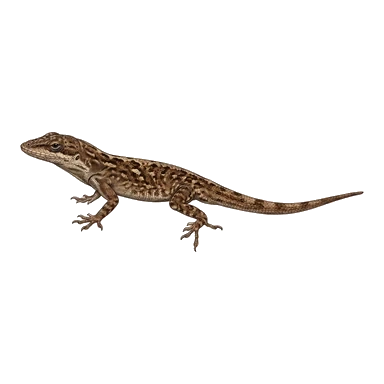
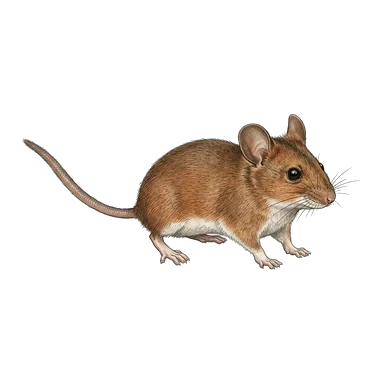
Dugites have become more common because of the house mouse, which is one of their main foods.1
Dugites can lay two clutches of eggs in the same season when conditions are good.1
The Irish activist John Boyle O'Reilly wrote a poem called The Dukite Snake, published in his 1878 collection Songs, Legends and Ballads, based on a bushman's myth.1
In winter, dugites burrow.1
Mite-breker
Mite: Dugites are aggressive and will chase people.
Waarheid: Dugites are very shy and usually slither away when disturbed. They generally avoid biting people, but they will defend themselves if cornered.1
Vir gifkenners
- Wetenskaplike naam
- Pseudonaja affinis
- Groep
- Australiese slange
- Familie
- Elapidae2
- Orde
- Squamata
- Kontinente
- Australië & Oseanië
- Babas
- Dugites lay eggs, typically around 30 at a time, and leave them to hatch on their own after about 65 days. Under good conditions, they can lay two clutches in one season.1
- Gevaar vir mense
- 4 / 5: Baie gevaarlik3
Waar die feite vandaan kom
- Dugite (Wikipedia (CC BY-SA 4.0))
- Pseudonaja affinis (iNaturalist): name en klassifikasie.
- Venom Wiki: die gevaarvlak, die tipiese grootte en die spoedskatting is ons eie. Kyk hoe ons dit uitwerk: Hoe ons gevaar gradeer.
Elke feit op hierdie bladsy het 'n nommer wat na sy bron wys. As ons iets verkeerd het, jammer, ons is dierfanatici, nie 'n wetenskaplike joernaal nie. Laat weet ons by [email protected] en ons maak dit reg.
 Die skerpioen is honger! Venom Wiki is 'n eenmanprojek: gratis, sonder advertensies en sonder spoorsnyers. 'n Klein fooitjie help om dit aanlyn te hou.Voer die skerpioen
Meer uit dieselfde groep: Australiese slange
 Coastal taipan
 Common death adder
 Eastern brown snake
 Binnelandse taipan
 Tierslang
 Collett's snake
.png)
Leef ook in: Australië & Oseanië
 Sydney funnel-web spiderTarantulas & tregterwebspinnekoppeDodelik
 Redback spiderSpinnekoppeMoet 'n dokter sien
 Brown tree snakeAgtertandslangeMaak net seer
 Hooded pitohuiAnder diere wat giftig is om aan te raak of te eetMaak net seerMoenie aanraak nie
 PlatypusGiftige soogdiereMaak net seer
 Northern tree-dwelling funnel-web spiderTarantulas & tregterwebspinnekoppeDodelik