
 أفريقيا
 آسيا
آسيا أوروبا
 أمريكا الجنوبية
 أستراليا وأوقيانوسيا
 القارة القطبية الجنوبية
 المحيط الهادئ
 المحيط الأطلسي
 المحيط الهندي
 المحيط المتجمد الشمالي
 البحر الأبيض المتوسط
 البحر الأحمر
 البحر الكاريبي
 بحر المرجان
 بحر الصين الجنوبي
 بحر الفلبين
 بحر أندامان
 بحر الشمال
 بحر تيمور وبحر أرافورا
 خليج البنغال
 خليج كاليفورنيا
Bluebottle
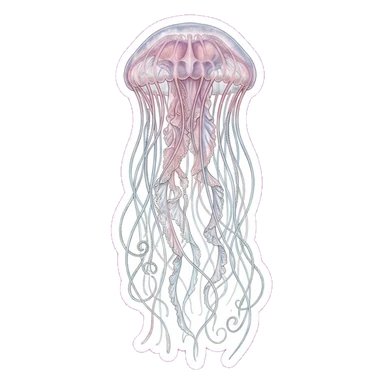 مجسّات لاسعة
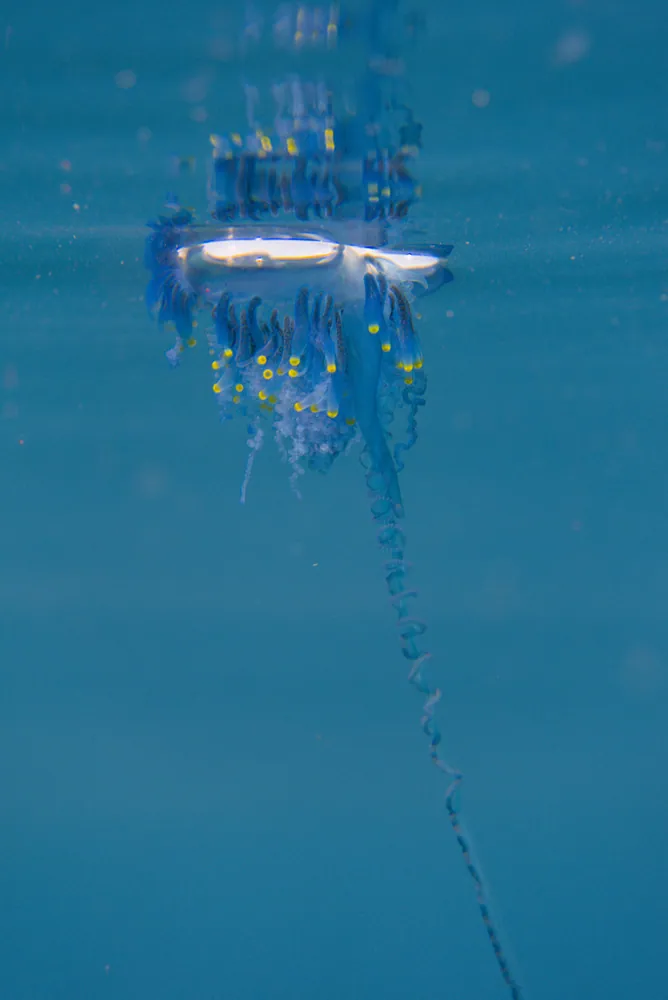
The bluebottle is a floating sea creature that looks like a jellyfish, but it is actually a colony of many linked animals that work together. It drifts on the surface of warm oceans and often washes up on beaches in large numbers. Its long tentacle can cause painful stings, so it is important to know what it looks like.1
 كيف تتعرف عليه
- A gas-filled float that sits on the surface, with a sail on top of it1
- A single long tentacle hanging below the float1
- A float about 16 cm across, smaller than the Atlantic Portuguese man o' war, whose float is about 30 cm1
- Often found in large groups called swarms1
- Often washed up in large numbers on beaches after strong winds1
كثيرًا ما يُخلط بينه وبين: The Atlantic Portuguese man o' war (Physalia physalis) is closely related and looks similar. It has a larger float, about 30 cm across, while the bluebottle's float is about 16 cm. The bluebottle has a single long fishing tentacle.1
قوة السم
آلاف الخلايا اللاسعة الصغيرة تنطلق عندما يلمسها شيء.
ماذا يفعل سمه؟
Its tentacle is covered in venomous cells called cnidocytes, which fire stinging threads called nematocysts. These toxic stinging cells cause painful injuries when they touch human skin. The stings can cause painful injuries at the beach.1
ما مدى خطورته على الناس؟
الخطر على الناس: مؤلمقد يؤلم كثيرًا، لكنه نادرًا جدًا ما يكون خطيرًا.On Australia's east coast, 10,000 to 30,000 stings per year from animals of the genus Physalia are reported, and most incidents happen on the eastern coast. No deaths have been recorded from stings by this species. The Atlantic Portuguese man o' war has caused at least three deaths.1
 إذا لسع
- اخرج من الماء وانزع أي مجسّات عالقة (بقفازات أو قطعة قماش).
- لقناديل البحر الصندوقية الاستوائية: اسكب الخل على اللسعات 30 ثانية على الأقل، واطلب المساعدة، وكن مستعدًا لإجراء الإنعاش القلبي الرئوي. لقناديل الرجل البرتغالي المحارب ومعظم الأنواع الأخرى: اشطف بماء البحر، ثم بالماء الساخن لتخفيف الألم.
اتصل دائمًا برقم الطوارئ أولًا (112، 000، 911). هذه إرشادات إسعافات أولية عامة، وليست نصيحة طبية. أساسيات الإسعافات الأولية
 ابقَ آمنًا
- لا تلمس حيوانًا بريًا أبدًا ولا تمسكه ولا تضايقه، حتى لو كان صغيرًا، وحتى لو بدا نائمًا أو ميتًا.
- اترك له مساحة. إذا قابلته، فابقَ هادئًا وتراجع ببطء ودعه يمضي في طريقه.
- إذا لسعك: ابقَ هادئًا، ولا تتحرك، واتصل برقم الطوارئ (112، 000، 911) أو اذهب إلى المستشفى بسرعة. تذكّر شكله، فالصورة تساعد.
إنه لا يطاردك. يستخدم سمه لصيد طعامه أو لحماية نفسه، ويفضّل كثيرًا أن يختبئ. المزيد عن البقاء آمنًا
أين في العالم؟
ما حجمه؟
ما طوله؟
 بطول 2 قطعة بناء لعبة في صف
 يمكنه سباحة طول مسبح كبير (50 م) في 180 ثانية
ما حجم Bluebottle مقارنة بك؟
مجرد حسابات في متصفحك. لا يُحفظ شيء ولا يُرسل إلى أي مكان.
ما سرعته؟

معلومات
It is not a single animal. It is a colony of four separate types of polyps and medusoids that work together.1
Its stinging cells can remain harmful on beaches for weeks or months if the sand stays moist.1
It moves across the sea using the wind, currents and tides, helped by the sail on top of its float.1
لخبراء السموم
- الاسم العلمي
- Physalia utriculus
- المجموعة
- قناديل البحر واللاسعات البحرية
- العائلة
- Physaliidae2
- الترتيب
- Siphonophorae
- القارات
- المحيط الهادئ, المحيط الهندي, المحيط الأطلسي, المحيط الجنوبي, بحر المرجان, القارة القطبية الجنوبية, بحر تيمور وبحر أرافورا, خليج البنغال, المحيطات
- الصغار
- Its reproductive parts, called gonozooids, release eggs or sperm into the water.1
- الخطر على الناس
- 2 / 5: مؤلم3
من أين تأتي المعلومات
- Physalia utriculus (Wikipedia (CC BY-SA 4.0))
- Physalia utriculus (iNaturalist): الأسماء والتصنيف.
- Venom Wiki: مستوى الخطر والحجم المعتاد وتقدير السرعة من عندنا. انظر كيف نحسبها: كيف نقيّم الخطر.
لكل معلومة في هذه الصفحة رقم يشير إلى مصدرها. إذا أخطأنا في شيء، فنحن آسفون، نحن محبّو حيوانات ولسنا مجلة علمية. أخبرنا على [email protected] وسنصلحه.
 العقرب جائع! Venom Wiki مشروع شخص واحد: مجاني، بلا إعلانات وبلا تتبع. بقشيش صغير يساعد على إبقائه متاحًا.أطعم العقرب
المزيد من المجموعة نفسها: قناديل البحر واللاسعات البحرية
 Australian box jellyfishقناديل البحر واللاسعات البحريةقاتللا تلمس
 Irukandji jellyfishقناديل البحر واللاسعات البحريةقد يقتللا تلمس
 Portuguese man o' warقناديل البحر واللاسعات البحريةيحتاج إلى طبيبلا تلمس
 Lion's mane jellyfishقناديل البحر واللاسعات البحريةيؤلم فقطلا تلمس
 Moon jellyfishقناديل البحر واللاسعات البحريةغير مؤذٍ
 Common kingslayerقناديل البحر واللاسعات البحريةقد يقتللا تلمس
يعيش أيضًا في: المحيط الهادئ
 Geography coneالحلزونات المخروطية والأخطبوطاتقاتل
 Greater blue-ringed octopusالحلزونات المخروطية والأخطبوطاتقاتل
 Japanese pufferfishحيوانات أخرى سامة عند اللمس أو الأكلقاتل
 Southern blue-ringed octopusالحلزونات المخروطية والأخطبوطاتقاتل
 Hawksbill sea turtleحيوانات أخرى سامة عند اللمس أو الأكلقد يقتل
 Reef stonefishالأسماك السامةقد يقتللا تلمس