
 أفريقيا
 آسيا
آسيا أوروبا
 أمريكا الجنوبية
 أستراليا وأوقيانوسيا
 القارة القطبية الجنوبية
 المحيط الهادئ
 المحيط الأطلسي
 المحيط الهندي
 المحيط المتجمد الشمالي
 البحر الأبيض المتوسط
 البحر الأحمر
 البحر الكاريبي
 بحر المرجان
 بحر الصين الجنوبي
 بحر الفلبين
 بحر أندامان
 بحر الشمال
 بحر تيمور وبحر أرافورا
 خليج البنغال
 خليج كاليفورنيا
New Guinea small-eyed snake
 العضات
The New Guinea small-eyed snake, Micropechis ikaheka, is a highly venomous snake that lives on New Guinea and nearby islands. It is the only species in its genus, and it is known for causing many deadly bites, especially on Karkar Island in Papua New Guinea. Its bites are a serious medical concern in the places where it lives.1



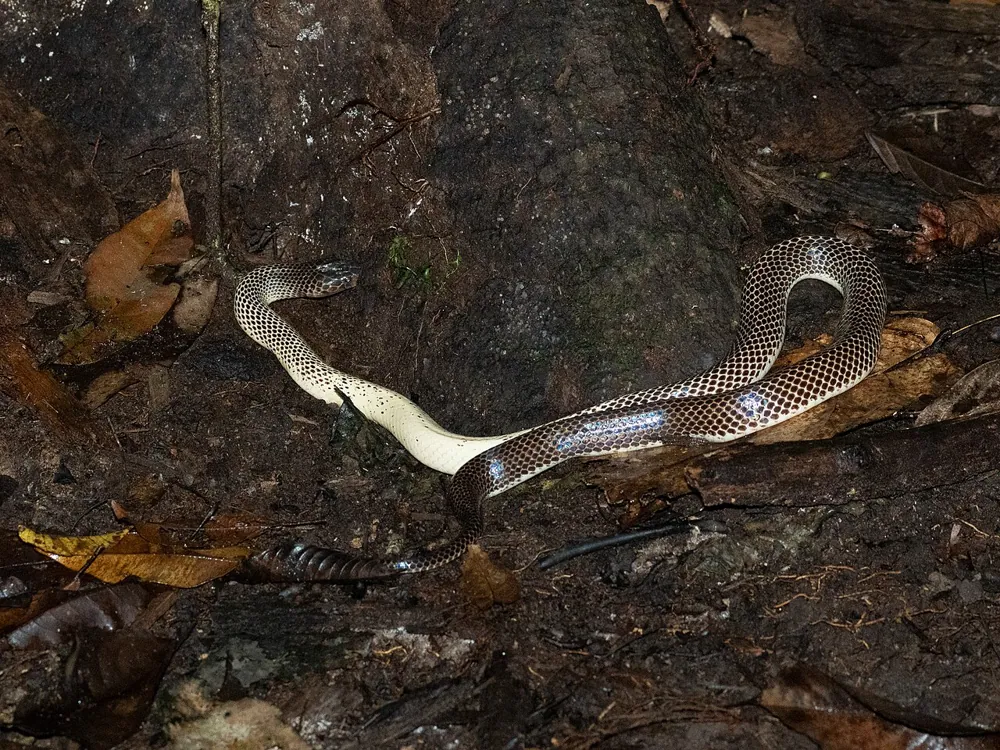
 كيف تتعرف عليه
قوة السم
يخرج السم من أنيابه أو أسنانه عندما يعضّ.
ماذا يفعل سمه؟
Its venom is strong enough that it is considered a dangerous snake. Common symptoms include local muscle pain and tenderness, fever, abdominal pain, vomiting, dizziness, headache, low blood pressure and spontaneous bleeding. In severe cases, the venom also affects the nerves and muscles, causing drooping eyelids, slurred speech and jaw locking, and death can result from respiratory paralysis (when the muscles used for breathing stop working).1
ما مدى خطورته على الناس؟
الخطر على الناس: خطير جدًاقد يقتل شخصًا لا يتلقى العلاج.This snake has been linked to many fatal bites. The first proven human death occurred in 1958 in Wau, Papua New Guinea, where a young man died 36 hours after being bitten on the base of the thumb while handling the snake. It causes about 40% of snake envenomations on Karkar Island, but less than 10% on the mainland, where death adders cause most snakebites. Plantation workers are most at risk, especially when moving husk piles, cutting grass, walking on plantation tracks or harvesting cocoa beans.1
 خبر سار: لدى الأطباء دواء (مضاد السم) أو علاج لهذا.1
ماذا يفعل عندما يخاف؟
Although it is normally shy, it becomes highly aggressive when disturbed, for example if it is handled or stepped on, and then it strikes quickly and readily. Its bite is tenacious and chewing, and it is not easily released.1
 إذا عضّ
- التثبيت بالضغط: لُفّ ضمادة مرنة محكمة فوق العضة ثم على الطرف كله، وثبّته بجبيرة، وأبقِ الشخص ساكنًا تمامًا حتى تصل المساعدة.
- لا تغسل مكان العضة: يستطيع المستشفى فحص السم المتبقي على الجلد لاختيار مضاد السم المناسب.
اتصل دائمًا برقم الطوارئ أولًا (112، 000، 911). هذه إرشادات إسعافات أولية عامة، وليست نصيحة طبية. أساسيات الإسعافات الأولية
 ابقَ آمنًا
- لا تلمس حيوانًا بريًا أبدًا ولا تمسكه ولا تضايقه، حتى لو كان صغيرًا، وحتى لو بدا نائمًا أو ميتًا.
- اترك له مساحة. إذا قابلته، فابقَ هادئًا وتراجع ببطء ودعه يمضي في طريقه.
- إذا عضّك: ابقَ هادئًا، ولا تتحرك، واتصل برقم الطوارئ (112، 000، 911) أو اذهب إلى المستشفى بسرعة. تذكّر شكله، فالصورة تساعد.
إنه لا يطاردك. يستخدم سمه لصيد طعامه أو لحماية نفسه، ويفضّل كثيرًا أن يختبئ. المزيد عن البقاء آمنًا
ما حجمه؟
ما طوله؟
 بطول 4 قطة منزلية من الأنف إلى الذيل
 بطول 12 موزة متتالية
 يمكنه قطع 100 متر في 46 ثانية (أسرع إنسان يحتاج 9.6)
ما حجم New Guinea small-eyed snake مقارنة بك؟
مجرد حسابات في متصفحك. لا يُحفظ شيء ولا يُرسل إلى أي مكان.
ما سرعته؟


معلومات
A bite from this snake was linked to a human death in 1958, when a young man died 36 hours after being bitten on the thumb while handling it.1
It is cannibalistic, and it also hunts rodents, lizards and other snakes.1
On Karkar Island, where it is common, it is called the "white snake" because of its pale colouring.1
Its name, ikaheca, means "land eel" in a local West Papuan language.1
كاشف الخرافات
الخرافة: A dead snake is harmless and cannot bite.
الحقيقة: A villager was bitten on the thumb by a snake he had reportedly killed, possibly because of a reflex action after death. Dead snakes can still bite, so they should be handled with care.1
من أين تأتي المعلومات
- Micropechis (Wikipedia (CC BY-SA 4.0))
- Micropechis ikaheka (iNaturalist): الأسماء والتصنيف.
- Venom Wiki: مستوى الخطر والحجم المعتاد وتقدير السرعة من عندنا. انظر كيف نحسبها: كيف نقيّم الخطر.
لكل معلومة في هذه الصفحة رقم يشير إلى مصدرها. إذا أخطأنا في شيء، فنحن آسفون، نحن محبّو حيوانات ولسنا مجلة علمية. أخبرنا على [email protected] وسنصلحه.
 العقرب جائع! Venom Wiki مشروع شخص واحد: مجاني، بلا إعلانات وبلا تتبع. بقشيش صغير يساعد على إبقائه متاحًا.أطعم العقرب
المزيد من المجموعة نفسها: ثعابين أسترالية
 التايبان الساحلي
 أفعى الموت الشائعة
 الثعبان البني الشرقي
 تايبان الداخلي
 الأفعى النمرية
 Collett's snake
يعيش أيضًا في: أستراليا وأوقيانوسيا
 عنكبوت سيدني ذو الشبكة القمعيةالرتيلاء وعناكب الشبكة القمعيةقاتل
 Redback spiderالعناكبيحتاج إلى طبيب
 Brown tree snakeثعابين ذات أنياب خلفيةيؤلم فقط
 Hooded pitohuiحيوانات أخرى سامة عند اللمس أو الأكليؤلم فقطلا تلمس
 Platypusالثدييات السامةيؤلم فقط
 Northern tree-dwelling funnel-web spiderالرتيلاء وعناكب الشبكة القمعيةقاتل