
 أفريقيا
 آسيا
آسيا أوروبا
 أمريكا الجنوبية
 أستراليا وأوقيانوسيا
 القارة القطبية الجنوبية
 المحيط الهادئ
 المحيط الأطلسي
 المحيط الهندي
 المحيط المتجمد الشمالي
 البحر الأبيض المتوسط
 البحر الأحمر
 البحر الكاريبي
 بحر المرجان
 بحر الصين الجنوبي
 بحر الفلبين
 بحر أندامان
 بحر الشمال
 بحر تيمور وبحر أرافورا
 خليج البنغال
 خليج كاليفورنيا
Pacific sea nettle
 مجسّات لاسعة
The Pacific sea nettle is a large jellyfish with a golden-brown bell and long, trailing tentacles. It lives in the cool and temperate coastal waters of the northeastern Pacific Ocean, from southern British Columbia down to Mexico. Its sting is irritating, but it is rarely dangerous to people.1



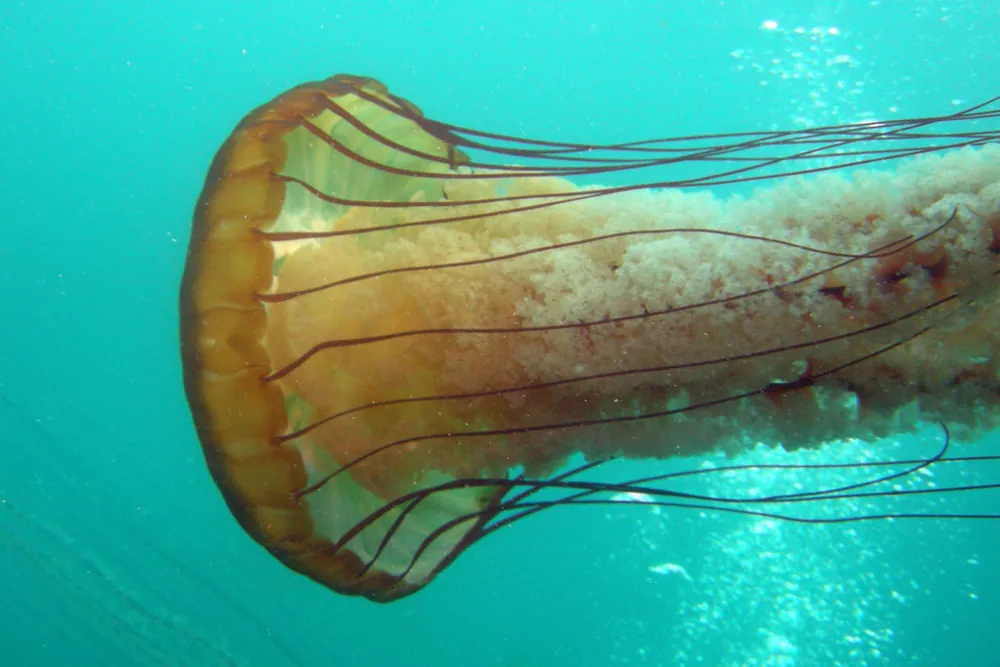
 كيف تتعرف عليه
قوة السم
آلاف الخلايا اللاسعة الصغيرة تنطلق عندما يلمسها شيء.
ماذا يفعل سمه؟
When prey touches the tentacles, thousands of stinging cells (nematocysts) fire barbed stingers that inject venom. The venom contains proteins, including proteases and pore-forming toxins, which can disrupt cell membranes and tissues. The venom is effective against prey and humans, but is typically not lethal to people.1
ما مدى خطورته على الناس؟
الخطر على الناس: مؤلمقد يؤلم كثيرًا، لكنه نادرًا جدًا ما يكون خطيرًا.Its sting is often irritating and possibly mildly painful to people, but it is rarely dangerous. It is typically nonlethal to humans.1
ماذا يفعل عندما يخاف؟
Its stinging tentacles are its main defence, although some animals, such as leatherback turtles, are not bothered by the sting.1
 إذا لسع
- اخرج من الماء وانزع أي مجسّات عالقة (بقفازات أو قطعة قماش).
- لقناديل البحر الصندوقية الاستوائية: اسكب الخل على اللسعات 30 ثانية على الأقل، واطلب المساعدة، وكن مستعدًا لإجراء الإنعاش القلبي الرئوي. لقناديل الرجل البرتغالي المحارب ومعظم الأنواع الأخرى: اشطف بماء البحر، ثم بالماء الساخن لتخفيف الألم.
اتصل دائمًا برقم الطوارئ أولًا (112، 000، 911). هذه إرشادات إسعافات أولية عامة، وليست نصيحة طبية. أساسيات الإسعافات الأولية
 ابقَ آمنًا
- لا تلمس حيوانًا بريًا أبدًا ولا تمسكه ولا تضايقه، حتى لو كان صغيرًا، وحتى لو بدا نائمًا أو ميتًا.
- اترك له مساحة. إذا قابلته، فابقَ هادئًا وتراجع ببطء ودعه يمضي في طريقه.
- إذا لسعك: ابقَ هادئًا، ولا تتحرك، واتصل برقم الطوارئ (112، 000، 911) أو اذهب إلى المستشفى بسرعة. تذكّر شكله، فالصورة تساعد.
إنه لا يطاردك. يستخدم سمه لصيد طعامه أو لحماية نفسه، ويفضّل كثيرًا أن يختبئ. المزيد عن البقاء آمنًا
ما حجمه؟
ما طوله؟
 بطول 2 قطة منزلية من الأنف إلى الذيل
 بطول 6 موزة متتالية
ما حجم Pacific sea nettle مقارنة بك؟
مجرد حسابات في متصفحك. لا يُحفظ شيء ولا يُرسل إلى أي مكان.
ما سرعته؟


معلومات
Small fish and crabs sometimes hide inside its bell, where they may feed on it.1
It uses light-sensing organs called ocelli to migrate from deep water up to the surface.1
It swims by jet propulsion, squeezing its bell to push water out, though it mostly floats.1
Its population may be growing because of nutrient pollution from human sources, which feeds algal blooms and the wider food chain.1
It is kept in many aquariums because of its bright colours and very long tentacles, and it is low-maintenance in captivity.1
لخبراء السموم
- الاسم العلمي
- Chrysaora fuscescens
- المجموعة
- قناديل البحر واللاسعات البحرية
- العائلة
- Pelagiidae2
- الترتيب
- Semaeostomeae
- القارات
- المحيط الهادئ, المحيطات
- الصغار
- Females hold fertilised eggs on their oral arms, where they grow into free-swimming larvae. The larvae settle, become polyps, and bud new polyps before developing into jellyfish. No number is given.1
- الخطر على الناس
- 2 / 5: مؤلم3
من أين تأتي المعلومات
- Chrysaora fuscescens (Wikipedia (CC BY-SA 4.0))
- Chrysaora fuscescens (iNaturalist): الأسماء والتصنيف.
- Venom Wiki: مستوى الخطر والحجم المعتاد وتقدير السرعة من عندنا. انظر كيف نحسبها: كيف نقيّم الخطر.
لكل معلومة في هذه الصفحة رقم يشير إلى مصدرها. إذا أخطأنا في شيء، فنحن آسفون، نحن محبّو حيوانات ولسنا مجلة علمية. أخبرنا على [email protected] وسنصلحه.
 العقرب جائع! Venom Wiki مشروع شخص واحد: مجاني، بلا إعلانات وبلا تتبع. بقشيش صغير يساعد على إبقائه متاحًا.أطعم العقرب
المزيد من المجموعة نفسها: قناديل البحر واللاسعات البحرية
 قنديل البحر الصندوقي الأستراليقناديل البحر واللاسعات البحريةقاتللا تلمس
 Irukandji jellyfishقناديل البحر واللاسعات البحريةقد يقتللا تلمس
 Portuguese man o' warقناديل البحر واللاسعات البحريةيحتاج إلى طبيبلا تلمس
 Lion's mane jellyfishقناديل البحر واللاسعات البحريةيؤلم فقطلا تلمس
 Moon jellyfishقناديل البحر واللاسعات البحريةغير مؤذٍ
 Common kingslayerقناديل البحر واللاسعات البحريةقد يقتللا تلمس
يعيش أيضًا في: المحيط الهادئ
 المخروط الجغرافيالحلزونات المخروطية والأخطبوطاتقاتل
 الأخطبوط الكبير ذو الحلقات الزرقاءالحلزونات المخروطية والأخطبوطاتقاتل
 سمك النفّاخ اليابانيحيوانات أخرى سامة عند اللمس أو الأكلقاتل
 الأخطبوط الجنوبي ذو الحلقات الزرقاءالحلزونات المخروطية والأخطبوطاتقاتل
 Hawksbill sea turtleحيوانات أخرى سامة عند اللمس أو الأكلقد يقتل
 Reef stonefishالأسماك السامةقد يقتللا تلمس