
 Afrika
 Asiya
Asiya Avropa
 Cənubi Amerika
 Avstraliya və Okeaniya
 Antarktida
 Sakit okean
 Atlantik okeanı
 Hind okeanı
 Şimal Buzlu okeanı
 Aralıq dənizi
 Qırmızı dəniz
 Karib dənizi
 Mərcan dənizi
 Cənubi Çin dənizi
 Filippin dənizi
 Andaman dənizi
 Şimal dənizi
 Timor və Arafura dənizləri
 Benqal körfəzi
 Kaliforniya körfəzi
Common krait
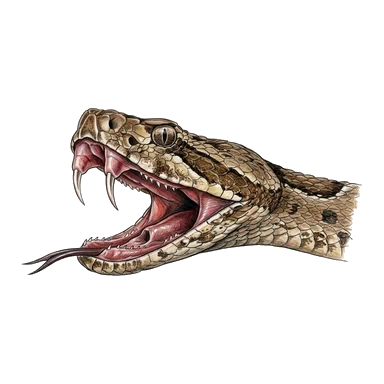 Dişləyir
The common krait is a highly venomous snake that lives across South Asia. It is shiny black or bluish-black with thin white crossbands. It causes more medically significant snakebites in the Indian subcontinent than any other snake, so knowing what it looks like matters.1
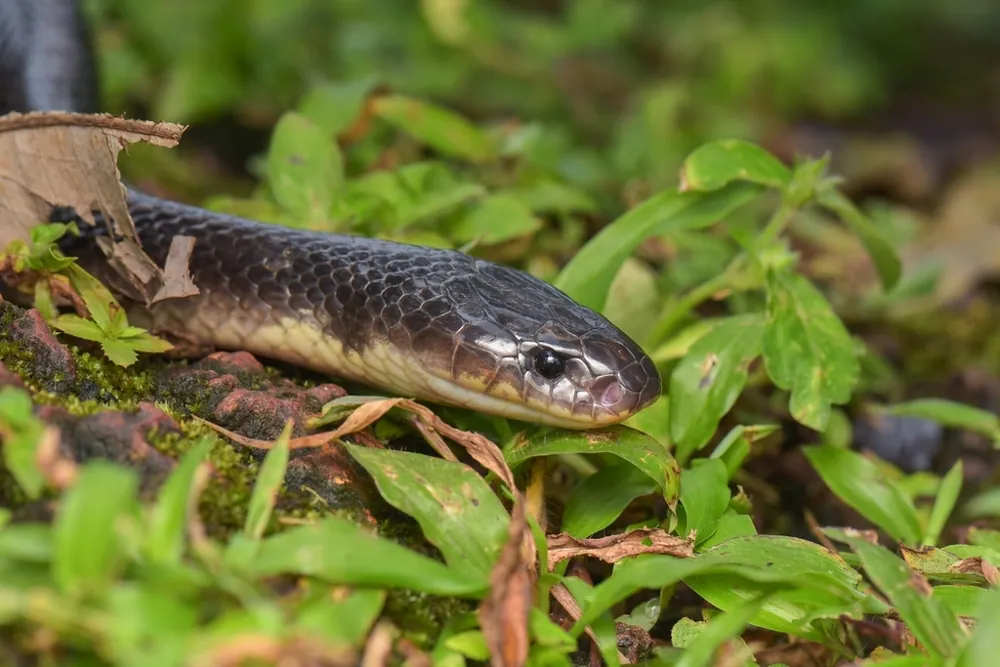
 Necə tanımalı
- Body is generally black or bluish-black.1
- About 40 thin, white crossbars run along the body. They may be faint or missing near the head in adults.1
- Young snakes have clear, well-defined crossbands, even near the head.1
- Older snakes may show the white lines as a series of connected spots.1
- The head is flat, the neck is hardly visible, and the tail is short and rounded.1
Zəhər gücü
Dişləyəndə zəhər onun dişlərindən çıxır.
Onun zəhəri nə edir?
Its venom is neurotoxic, meaning it attacks the nerves. It blocks signals between nerves and muscles, which leads to progressive paralysis. Victims often have severe abdominal cramps and shortness of breath. Death from respiratory failure, meaning the breathing muscles stop working, may follow in about 4 to 8 hours if untreated.1
İnsanlar üçün nə qədər təhlükəlidir?
İnsanlar üçün təhlükə: ÖlümcülDünyanın ən təhlükəli heyvanlarından biri.It is responsible for the majority of medically significant snakebites in the Indian subcontinent. A clinical toxicology study reports an untreated mortality rate of 70 to 80 per cent. Bites often happen at night, when people are sleeping on the ground. The bite may cause little or no pain, which can delay treatment.1
 Yaxşı xəbər: həkimlərin bunun üçün dərmanı (zəhər əleyhinə zərdab) və ya müalicəsi var.1
Qorxanda nə edir?
When threatened, it coils tightly with its head tucked underneath, may flatten its body, or makes sudden movements as a warning. It rarely bites unless provoked, but it can be more aggressive at night if disturbed.1
 Dişləsə
- The main treatment is antivenom given in hospital. It should be given promptly, because it becomes less effective once paralysis has set in. Get medical help straight away after any suspected bite, even if there is little pain or swelling.1
- İnsanı hərəkətsiz və sakit saxla, üzükləri və sıx şeyləri çıxar və tez xəstəxanaya çatdır: müalicə zəhər əleyhinə zərdabdır.
Həmişə əvvəlcə təcili yardım nömrənə zəng et (112, 000, 911). Bu, ümumi ilk yardım tövsiyəsidir, tibbi məsləhət deyil. İlk yardımın əsasları
 Təhlükəsiz qal
- Vəhşi heyvana heç vaxt toxunma, onu tutma və ya ona sataşma, hətta kiçik olsa belə, hətta yatmış və ya ölü görünsə belə.
- Ona yer ver. Rast gəlsən, sakit ol, yavaşca geri çəkil və qoy öz yolu ilə getsin.
- Biri səni dişləsə: sakit ol, hərəkət etmə, təcili yardım nömrənə (112, 000, 911) zəng et və ya tez xəstəxanaya get. Onun necə göründüyünü yadda saxla, şəkil kömək edir.
O, sənin dalınca düşməyib. Zəhərini yem tutmaq və ya özünü qorumaq üçün istifadə edir və gizlənməyi daha çox sevir. Təhlükəsizlik haqqında daha çox
Dünyanın harasında?
Nə qədər böyükdür?
Nə qədər uzundur?
 burundan quyruğa düzülmüş 4 ev pişiyi uzunluğunda
 uc-uca düzülmüş 10 banan uzunluğunda
 100 metri 52 saniyəyə qaça bilərdi (ən sürətli insana 9,6 saniyə lazımdır)
Common krait SƏNİNLƏ müqayisədə nə qədər böyükdür?
Sadəcə brauzerində riyaziyyat. Heç nə yadda saxlanmır və heç yerə göndərilmir.
Nə qədər sürətlidir?


Faktlar
A bite from this snake often causes little or no pain and almost no swelling or bleeding, which can make it hard to find the bite mark.1
Its venom is one of the most potent of any Indian snake, and the estimated lethal dose for a human is 2 to 3 mg.1
Its venom contains no clotting or tissue-destroying agents, which is why there is no local damage at the bite site.1
Neostigmine, a drug that works against cobra venom, does not work against common krait venom.1
It is mostly active at night and rarely meets people during the day.1
Its stable population has been helped by its ability to adapt to farmland and villages.1
Mif dağıdan
Mif: A bite that does not hurt is harmless.
Həqiqət: The bite often causes little pain, but severe paralysis and breathing failure can follow. The lack of pain can give false reassurance.1
Zəhər ekspertləri üçün
- Elmi adı
- Bungarus caeruleus
- Qrup
- Kobralar, mambalar və kraytlar
- Ailə
- Elapidae2
- Dəstə
- Squamata
- Qitələr
- Asiya
- Balalar
- It lays 5 to 15 eggs in leaf litter or burrows. The female guards the eggs until they hatch after about 60 days. Hatchlings are fully independent and already carry venom.1
- İnsanlar üçün təhlükə
- 5 / 5: Ölümcül3
Faktlar haradan gəlir
- Common krait (Wikipedia (CC BY-SA 4.0))
- Bungarus caeruleus (iNaturalist): adlar və təsnifat.
- Venom Wiki: təhlükə səviyyəsi, tipik ölçü və sürət təxmini bizimdir. Onları necə hesabladığımıza bax: Təhlükəni necə qiymətləndiririk.
Bu səhifədəki hər faktın yanında mənbəyini göstərən nömrə var. Səhv bir şey yazmışıqsa, bağışla, biz elmi jurnal yox, sadəcə heyvan həvəskarlarıyıq. [email protected] ünvanına yaz, düzəldək.
 Əqrəb acdır! Venom Wiki bir nəfərin layihəsidir: pulsuz, reklamsız və izləyicisiz. Kiçik bəxşiş onun onlayn qalmasına kömək edir.Əqrəbi yemlə
Eyni qrupdan daha çox: Kobralar, mambalar və kraytlar
 Indian cobraKobralar, mambalar və kraytlarÖlümcül
 King cobraKobralar, mambalar və kraytlarÖlümcül
 Caspian cobraKobralar, mambalar və kraytlarÖlümcül
 Malayan kraitKobralar, mambalar və kraytlarÖlümcül
 Many-banded kraitKobralar, mambalar və kraytlarÖlümcül
 Monocled cobraKobralar, mambalar və kraytlarÖlümcül
 Deathstalker
 Indian saw-scaled viper
 Puff adder
 Rassel gürzəsi
 Asian giant hornet
 Komodo dragon