
 Afrika
 Asiya
Asiya Avropa
 Cənubi Amerika
 Avstraliya və Okeaniya
 Antarktida
 Sakit okean
 Atlantik okeanı
 Hind okeanı
 Şimal Buzlu okeanı
 Aralıq dənizi
 Qırmızı dəniz
 Karib dənizi
 Mərcan dənizi
 Cənubi Çin dənizi
 Filippin dənizi
 Andaman dənizi
 Şimal dənizi
 Timor və Arafura dənizləri
 Benqal körfəzi
 Kaliforniya körfəzi
Common lancehead
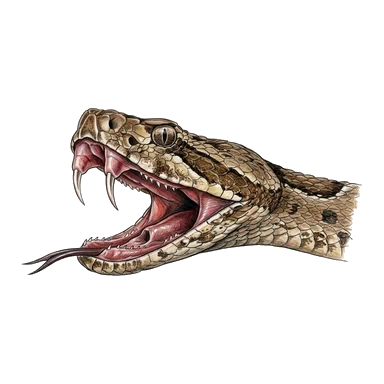 Dişləyir
The common lancehead is a highly venomous pit viper that lives in the tropical lowlands of northern South America and on the Caribbean island of Trinidad. It is one of the most common pit vipers in its range and is not endangered. Its venom disrupts blood clotting, which makes its bite especially serious.1
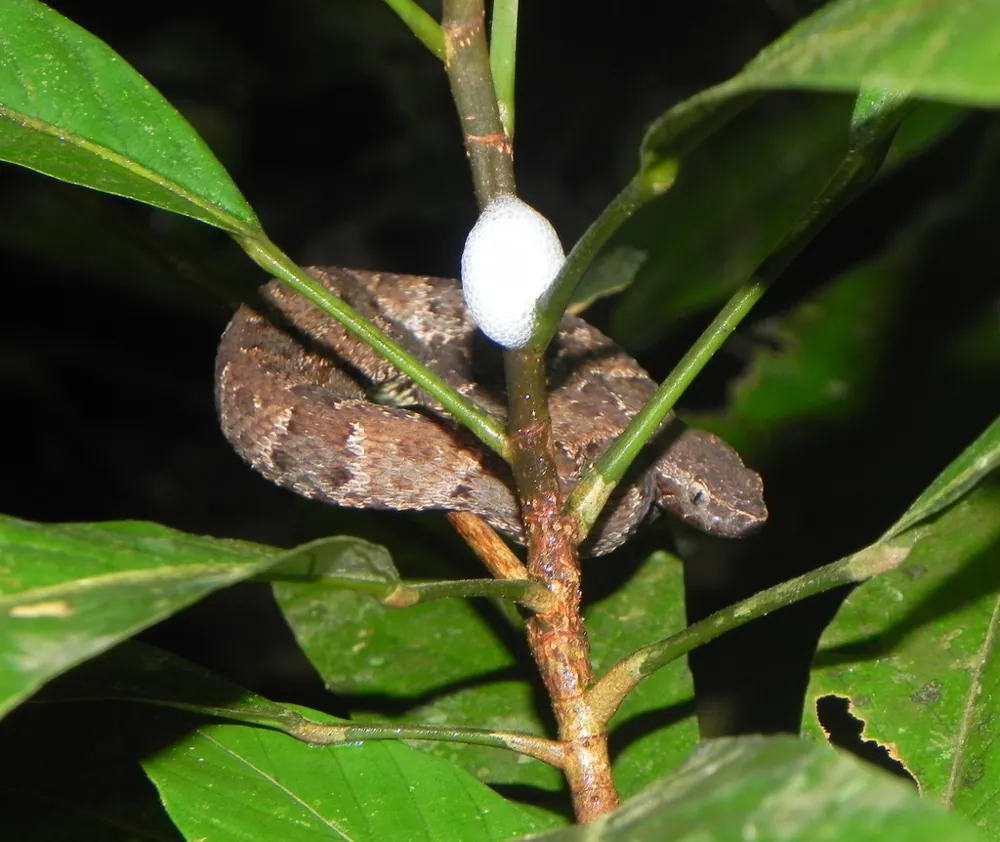
 Necə tanımalı
- Ground colour is olive, brown, tan, grey or yellow, and rarely rusty.1
- The body pattern is a series of blotches that often fuse into bands. The markings are X-like, which is why some local names refer to the letter X.1
- The chin is pale yellow, and a dark stripe runs from behind the eye to the corner of the mouth.1
- The irises are gold or bronze, and the tongue is black.1
- Adults usually measure 75 to 125 cm in total length and are moderately heavy-bodied.1
Tez-tez qarışdırılır: It is often confused with Bothrops asper, which was once included in this species. Most authorities now consider B. asper to be a separate species. This confusion also makes reports of its maximum size unclear.1
Zəhər gücü
Dişləyəndə zəhər onun dişlərindən çıxır.
Onun zəhəri nə edir?
Its venom is haemorrhagic, meaning it damages the lining of blood vessels and uses up the substances that allow blood to clot. Symptoms can include severe bleeding, kidney failure, abnormal clotting, blisters and necrosis (death of body tissue). Bleeding in the brain can also occur. Recovery from the clotting problem has been seen 14 to 30 hours after a bite.1
İnsanlar üçün nə qədər təhlükəlidir?
İnsanlar üçün təhlükə: ÖlümcülDünyanın ən təhlükəli heyvanlarından biri.The bite is serious and can be fatal. Plantation workers are often bitten. Juvenile snakes have more lethal venom that kills more quickly, and people bitten by young snakes are more likely to develop the clotting problem. In a case reported in the Brazilian Amazon, the patient died of a stroke even after antivenom was given. A Mexican polyvalent antivenom tested against it had no effect on the clotting problem.1
Qorxanda nə edir?
It is easily agitated, and it can lie camouflaged for hours, nearly undetectable, then strike at high speed.1
 Dişləsə
- İnsanı hərəkətsiz və sakit saxla, dişlənmiş ətrafı ürək səviyyəsində saxla, üzükləri və sıx şeyləri çıxar və tez xəstəxanaya çatdır.
Həmişə əvvəlcə təcili yardım nömrənə zəng et (112, 000, 911). Bu, ümumi ilk yardım tövsiyəsidir, tibbi məsləhət deyil. İlk yardımın əsasları
 Təhlükəsiz qal
- Vəhşi heyvana heç vaxt toxunma, onu tutma və ya ona sataşma, hətta kiçik olsa belə, hətta yatmış və ya ölü görünsə belə.
- Ona yer ver. Rast gəlsən, sakit ol, yavaşca geri çəkil və qoy öz yolu ilə getsin.
- Biri səni dişləsə: sakit ol, hərəkət etmə, təcili yardım nömrənə (112, 000, 911) zəng et və ya tez xəstəxanaya get. Onun necə göründüyünü yadda saxla, şəkil kömək edir.
O, sənin dalınca düşməyib. Zəhərini yem tutmaq və ya özünü qorumaq üçün istifadə edir və gizlənməyi daha çox sevir. Təhlükəsizlik haqqında daha çox
Dünyanın harasında?
Nə qədər böyükdür?
Nə qədər uzundur?
 burundan quyruğa düzülmüş 3 ev pişiyi uzunluğunda
 uc-uca düzülmüş 9 banan uzunluğunda
 100 metri 92 saniyəyə qaça bilərdi (ən sürətli insana 9,6 saniyə lazımdır)
Common lancehead SƏNİNLƏ müqayisədə nə qədər böyükdür?
Sadəcə brauzerində riyaziyyat. Heç nə yadda saxlanmır və heç yerə göndərilmir.
Nə qədər sürətlidir?


Faktlar
An enzyme called reptilase, or batroxobin, is taken from its venom and used in modern medical laboratories to measure fibrinogen levels and blood clotting. The enzyme is not affected by heparin.1
Although it is mostly terrestrial, it is an excellent swimmer and will climb trees when needed to reach prey.1
Females with developing embryos move in and out of sunlight to keep themselves and the embryos at a constant temperature.1
Venom yield averages 124 milligrams, but can reach 342 milligrams.1
Despite the large-scale destruction of rainforests, it is among the most numerous and common of pit vipers.1
Zəhər ekspertləri üçün
- Elmi adı
- Bothrops atrox
- Qrup
- Çuxurbaşlı ilanlar
- Ailə
- Viperidae2
- Dəstə
- Squamata
- Qitələr
- Cənubi Amerika
- Balalar
- It gives birth to live young, up to 80 at once, with an average of about 60 per litter in equatorial regions after a gestation of three to four months.1
- Təbiətdə vəziyyəti necədir
- Not endangered1
- İnsanlar üçün təhlükə
- 5 / 5: Ölümcül3
Faktlar haradan gəlir
- Bothrops atrox (Wikipedia (CC BY-SA 4.0))
- Bothrops atrox (iNaturalist): adlar və təsnifat.
- Venom Wiki: təhlükə səviyyəsi, tipik ölçü və sürət təxmini bizimdir. Onları necə hesabladığımıza bax: Təhlükəni necə qiymətləndiririk.
Bu səhifədəki hər faktın yanında mənbəyini göstərən nömrə var. Səhv bir şey yazmışıqsa, bağışla, biz elmi jurnal yox, sadəcə heyvan həvəskarlarıyıq. [email protected] ünvanına yaz, düzəldək.
 Əqrəb acdır! Venom Wiki bir nəfərin layihəsidir: pulsuz, reklamsız və izləyicisiz. Kiçik bəxşiş onun onlayn qalmasına kömək edir.Əqrəbi yemlə
Eyni qrupdan daha çox: Çuxurbaşlı ilanlar
 Terciopelo
 Eyelash viper
 Golden lancehead
 South American bushmaster
 Jararaca
 Jararacussu
Həmçinin yaşadığı yerlər: Cənubi Amerika
 Golden poison frogOx qurbağaları, quru qurbağaları və tritonlarÖlümcülToxunma
 Brazilian wandering spiderHörümçəklərÖldürə bilər
 Cane toadOx qurbağaları, quru qurbağaları və tritonlarHəkim lazımdırToxunma
 Peruvian giant centipedeQırxayaqlarHəkim lazımdır
 Bullet antQarışqalarSadəcə ağrıdır
 Common vampire batZəhərli məməlilərSadəcə ağrıdır