
 Афрыка
 Азія
Азія Еўропа
 Паўднёвая Амерыка
 Аўстралія і Акіянія
 Антарктыда
 Ціхі акіян
 Атлантычны акіян
 Індыйскі акіян
 Паўночны Ледавіты акіян
 Міжземнае мора
 Чырвонае мора
 Карыбскае мора
 Каралавае мора
 Паўднёва-Кітайскае мора
 Філіпінскае мора
 Андаманскае мора
 Паўночнае мора
 Тыморскае і Арафурскае моры
 Бенгальскі заліў
 Каліфарнійскі заліў
Chilean six-eyed sand spider
 Укусы
УкусыThe Chilean six-eyed sand spider is a small spider that lives in the deserts of northern and central Chile. It hides under rocks and comes out at night. Its venom has effects similar to those of the Chilean recluse spider, which is why it matters to people who live nearby.1


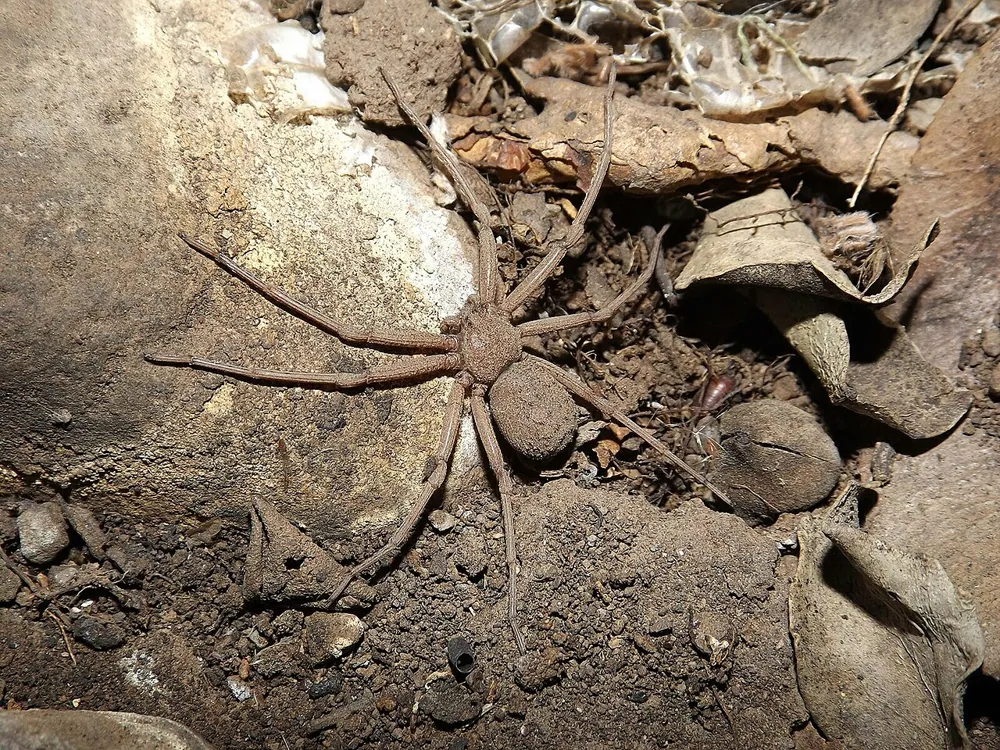
 Як яе пазнаць
- Body length of 12 to 20 mm1
- Active at night, with nocturnal habits1
- Shelters under rocks on sandy ground1
- Very common in urban areas with household waste1
Часта блытаюць з: Older records under the name Sicarius terrosus may actually describe other species, such as Sicarius levii. Names in older books can therefore be unreliable.1
Сіла яду
Яд выходзіць праз ікла ці зубы, калі яна кусае.
Што робіць яе яд?
Its venom contains an enzyme called sphingomyelinase D, which has effects similar to those of the Chilean recluse spider. In laboratory tests the venom broke down red blood cells (haemolysis) and damaged skin cells, and 50 μg was enough to cause dermonecrosis, or the death of skin tissue. The venom also broke down fibrinogen, a protein needed for blood to clot.1
Наколькі яна небяспечная для людзей?
Небяспека для людзей: БалючаяМожа быць вельмі балюча, але амаль ніколі не бывае сур'ёзна.Laboratory work shows that the venom can damage human tissue. Adult spiders carry up to eight times the amount of venom tested, so bites from adults could cause more serious lesions.1
 Калі кусае
- Прамый месца ўкусу і прыкладзі пакет з лёдам ад болю. Звярніся па медыцынскую дапамогу, калі боль моцны, распаўсюджваецца або чалавеку блага.
Заўсёды спачатку тэлефануй на нумар экстраннай службы (112, 000, 911). Гэта агульныя парады па першай дапамозе, а не медыцынская кансультацыя. Асновы першай дапамогі
 Будзь у бяспецы
- Ніколі не чапай, не лаві і не дражні дзікую жывёлу, нават маленькую, і нават калі здаецца, што яна спіць ці мёртвая.
- Трымайся ад яе далей. Калі сустрэнеш такую жывёлу, захоўвай спакой, павольна адыдзі назад і дай ёй пайсці сваёй дарогай.
- Калі такая жывёла ўкусіць цябе: захоўвай спакой, не рухайся, тэлефануй на нумар экстраннай службы (112, 000, 911) або хутка дабірайся да бальніцы. Запомні, як яна выглядала, фота дапаможа.
Яна не палюе на цябе. Яд патрэбны ёй, каб лавіць ежу ці абараняцца, і яна з большай ахвотай схаваецца. Яшчэ пра бяспеку
Якога яна памеру?
Якой яна даўжыні?
 прыкладна як сашчэпка для паперы па даўжыні
 магла б прабегчы 100 метраў за 330 с (самаму хуткаму чалавеку трэба 9,6 с)
Chilean six-eyed sand spider і ТЫ: хто большы?
Проста матэматыка ў тваім браўзеры. Нічога не захоўваецца і нікуды не адпраўляецца.
Як хутка яна рухаецца?


Факты
In 2020 a 20 mm spider was recorded preying on a 28 mm gecko, which is larger than the spider itself.1
Its venom breaks down fibrinogen, a clotting protein, faster than the venom of the Loxosceles species it was compared with.1
Scientists found that 50 μg of its venom was enough to cause dermonecrosis in laboratory tests.1
It is extremely common in Chilean cities where household waste is plentiful.1
Разбуральнік міфаў
Міф: The species is known as Sicarius terrosus.
Праўда: The correct name is Sicarius thomisoides. The name terrosus was used for this species for a long time, but it was often used wrongly for other species too.1
Адкуль узятыя факты
- Sicarius thomisoides (Wikipedia (CC BY-SA 4.0))
- Sicarius thomisoides (iNaturalist): назвы і класіфікацыя.
- Venom Wiki: узровень небяспекі, звычайны памер і прыблізную хуткасць мы ацэньваем самі. Паглядзі, як мы гэта робім: Як мы ацэньваем небяспеку.
У кожнага факта на гэтай старонцы ёсць нумар, які вядзе да яго крыніцы. Калі мы недзе памыліліся, прабач, мы аматары жывёл, а не навуковы часопіс. Напішы нам на [email protected], і мы ўсё выправім.
 Скарпіён галодны! Venom Wiki робіць адзін чалавек: праект бясплатны, без рэкламы і без трэкераў. Невялікія чаявыя дапамагаюць яму працаваць далей.Пакармі скарпіёна
Яшчэ з гэтай групы: Павукі
 Brazilian wandering spider
 Amazon wandering spider
 Chilean recluse
 Golden silk orb-weaver
 Keyserling's wandering spider
 Argentine black widow
Таксама жыве ў: Паўднёвая Амерыка
 Golden poison frogАтрутныя жабы, рапухі і трытоныСмяротна небяспечнаяНе чапаць
 TerciopeloЯмкагаловыя змеіСмяротна небяспечная
 Eyelash viperЯмкагаловыя змеіМожа забіць
 Golden lanceheadЯмкагаловыя змеіМожа забіць
 South American bushmasterЯмкагаловыя змеіМожа забіць
 Cane toadАтрутныя жабы, рапухі і трытоныПатрэбны лекарНе чапаць