
 Афрыка
 Азія
Азія Еўропа
 Паўднёвая Амерыка
 Аўстралія і Акіянія
 Антарктыда
 Ціхі акіян
 Атлантычны акіян
 Індыйскі акіян
 Паўночны Ледавіты акіян
 Міжземнае мора
 Чырвонае мора
 Карыбскае мора
 Каралавае мора
 Паўднёва-Кітайскае мора
 Філіпінскае мора
 Андаманскае мора
 Паўночнае мора
 Тыморскае і Арафурскае моры
 Бенгальскі заліў
 Каліфарнійскі заліў
New Guinea small-eyed snake
 Укусы
УкусыThe New Guinea small-eyed snake, Micropechis ikaheka, is a highly venomous snake that lives on New Guinea and nearby islands. It is the only species in its genus, and it is known for causing many deadly bites, especially on Karkar Island in Papua New Guinea. Its bites are a serious medical concern in the places where it lives.1



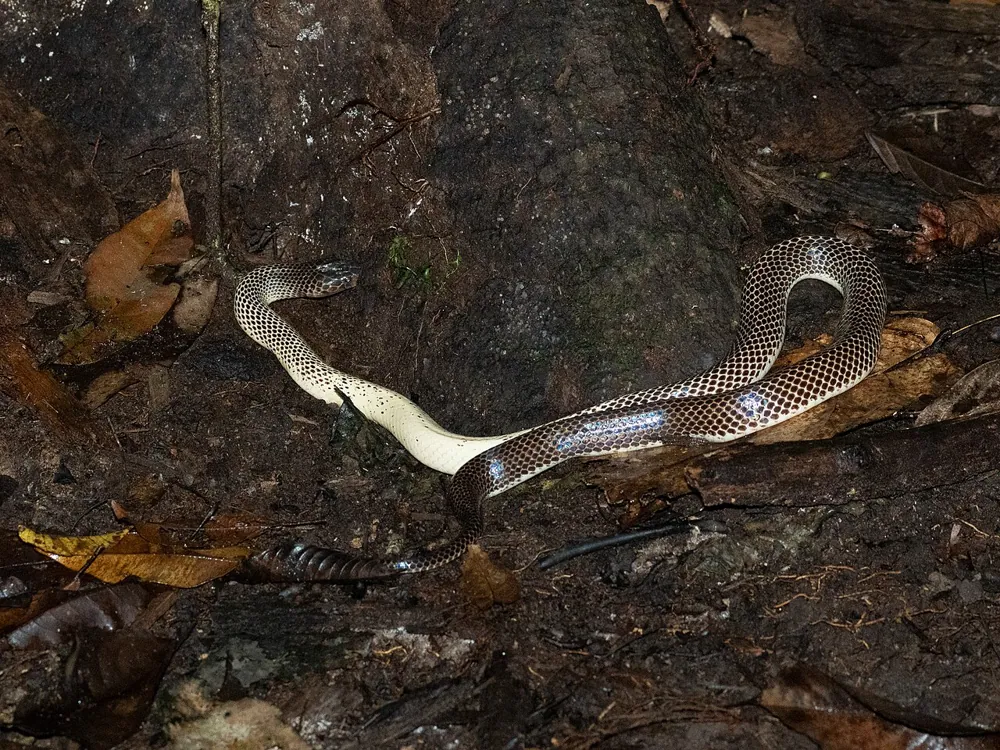
 Як яе пазнаць
Сіла яду
Яд выходзіць праз ікла ці зубы, калі яна кусае.
Што робіць яе яд?
Its venom is strong enough that it is considered a dangerous snake. Common symptoms include local muscle pain and tenderness, fever, abdominal pain, vomiting, dizziness, headache, low blood pressure and spontaneous bleeding. In severe cases, the venom also affects the nerves and muscles, causing drooping eyelids, slurred speech and jaw locking, and death can result from respiratory paralysis (when the muscles used for breathing stop working).1
Наколькі яна небяспечная для людзей?
Небяспека для людзей: Вельмі небяспечнаяМожа забіць чалавека, які не атрымаў лячэння.This snake has been linked to many fatal bites. The first proven human death occurred in 1958 in Wau, Papua New Guinea, where a young man died 36 hours after being bitten on the base of the thumb while handling the snake. It causes about 40% of snake envenomations on Karkar Island, but less than 10% on the mainland, where death adders cause most snakebites. Plantation workers are most at risk, especially when moving husk piles, cutting grass, walking on plantation tracks or harvesting cocoa beans.1
 Добрая навіна: у лекараў ёсць лекі (сыроватка супраць яду) або лячэнне ад гэтага.1
Што яна робіць, калі напалохана?
Although it is normally shy, it becomes highly aggressive when disturbed, for example if it is handled or stepped on, and then it strikes quickly and readily. Its bite is tenacious and chewing, and it is not easily released.1
 Калі кусае
- Кампрэсійная іммабілізацыя: шчыльна забінтуй месца ўкусу эластычным бінтам, а потым усю канечнасць, накладзі шыну і сачы, каб чалавек заставаўся зусім нерухомым, пакуль не прыбудзе дапамога.
- Не мый месца ўкусу: у бальніцы могуць даследаваць яд, які застаўся на скуры, каб выбраць правільную сыроватку супраць яду.
Заўсёды спачатку тэлефануй на нумар экстраннай службы (112, 000, 911). Гэта агульныя парады па першай дапамозе, а не медыцынская кансультацыя. Асновы першай дапамогі
 Будзь у бяспецы
- Ніколі не чапай, не лаві і не дражні дзікую жывёлу, нават маленькую, і нават калі здаецца, што яна спіць ці мёртвая.
- Трымайся ад яе далей. Калі сустрэнеш такую жывёлу, захоўвай спакой, павольна адыдзі назад і дай ёй пайсці сваёй дарогай.
- Калі такая жывёла ўкусіць цябе: захоўвай спакой, не рухайся, тэлефануй на нумар экстраннай службы (112, 000, 911) або хутка дабірайся да бальніцы. Запомні, як яна выглядала, фота дапаможа.
Яна не палюе на цябе. Яд патрэбны ёй, каб лавіць ежу ці абараняцца, і яна з большай ахвотай схаваецца. Яшчэ пра бяспеку
Якога яна памеру?
Якой яна даўжыні?
 даўжынёй як 4 хатніх катоў ад носа да хваста
 даўжынёй як 12 бананаў адзін за адным
 магла б прабегчы 100 метраў за 46 с (самаму хуткаму чалавеку трэба 9,6 с)
New Guinea small-eyed snake і ТЫ: хто большы?
Проста матэматыка ў тваім браўзеры. Нічога не захоўваецца і нікуды не адпраўляецца.
Як хутка яна рухаецца?


Факты
A bite from this snake was linked to a human death in 1958, when a young man died 36 hours after being bitten on the thumb while handling it.1
It is cannibalistic, and it also hunts rodents, lizards and other snakes.1
On Karkar Island, where it is common, it is called the "white snake" because of its pale colouring.1
Its name, ikaheca, means "land eel" in a local West Papuan language.1
Разбуральнік міфаў
Міф: A dead snake is harmless and cannot bite.
Праўда: A villager was bitten on the thumb by a snake he had reportedly killed, possibly because of a reflex action after death. Dead snakes can still bite, so they should be handled with care.1
Для знаўцаў яду
Адкуль узятыя факты
- Micropechis (Wikipedia (CC BY-SA 4.0))
- Micropechis ikaheka (iNaturalist): назвы і класіфікацыя.
- Venom Wiki: узровень небяспекі, звычайны памер і прыблізную хуткасць мы ацэньваем самі. Паглядзі, як мы гэта робім: Як мы ацэньваем небяспеку.
У кожнага факта на гэтай старонцы ёсць нумар, які вядзе да яго крыніцы. Калі мы недзе памыліліся, прабач, мы аматары жывёл, а не навуковы часопіс. Напішы нам на [email protected], і мы ўсё выправім.
 Скарпіён галодны! Venom Wiki робіць адзін чалавек: праект бясплатны, без рэкламы і без трэкераў. Невялікія чаявыя дапамагаюць яму працаваць далей.Пакармі скарпіёна
Яшчэ з гэтай групы: Аўстралійскія змеі
 Coastal taipanАўстралійскія змеіСмяротна небяспечная
 Common death adderАўстралійскія змеіСмяротна небяспечная
 Eastern brown snakeАўстралійскія змеіСмяротна небяспечная
 Inland taipanАўстралійскія змеіСмяротна небяспечная
 Tiger snakeАўстралійскія змеіСмяротна небяспечная
 Collett's snakeАўстралійскія змеіМожа забіць
Таксама жыве ў: Аўстралія і Акіянія
 Sydney funnel-web spiderТарантулы і варонкавыя павукіСмяротна небяспечная
 Redback spiderПавукіПатрэбны лекар
 Brown tree snakeЗмеі з заднімі ядавітымі зубаміПроста балюча
 Hooded pitohuiІншыя атрутныя жывёлыПроста балючаНе чапаць
 PlatypusЯдавітыя млекакормячыяПроста балюча
 Northern tree-dwelling funnel-web spiderТарантулы і варонкавыя павукіСмяротна небяспечная