
 Afrika
 Asie
Asie Evropa
 Jižní Amerika
 Austrálie a Oceánie
 Antarktida
 Tichý oceán
 Atlantský oceán
 Indický oceán
 Severní ledový oceán
 Středozemní moře
 Rudé moře
 Karibské moře
 Korálové moře
 Jihočínské moře
 Filipínské moře
 Andamanské moře
 Severní moře
 Timorské a Arafurské moře
 Bengálský záliv
 Kalifornský záliv
Katipo
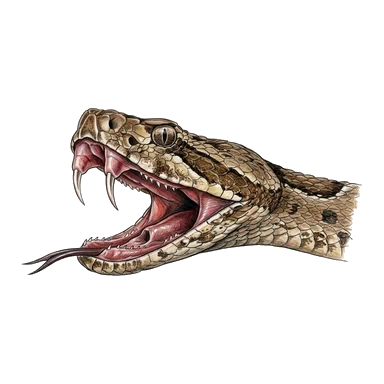 Kousnutí
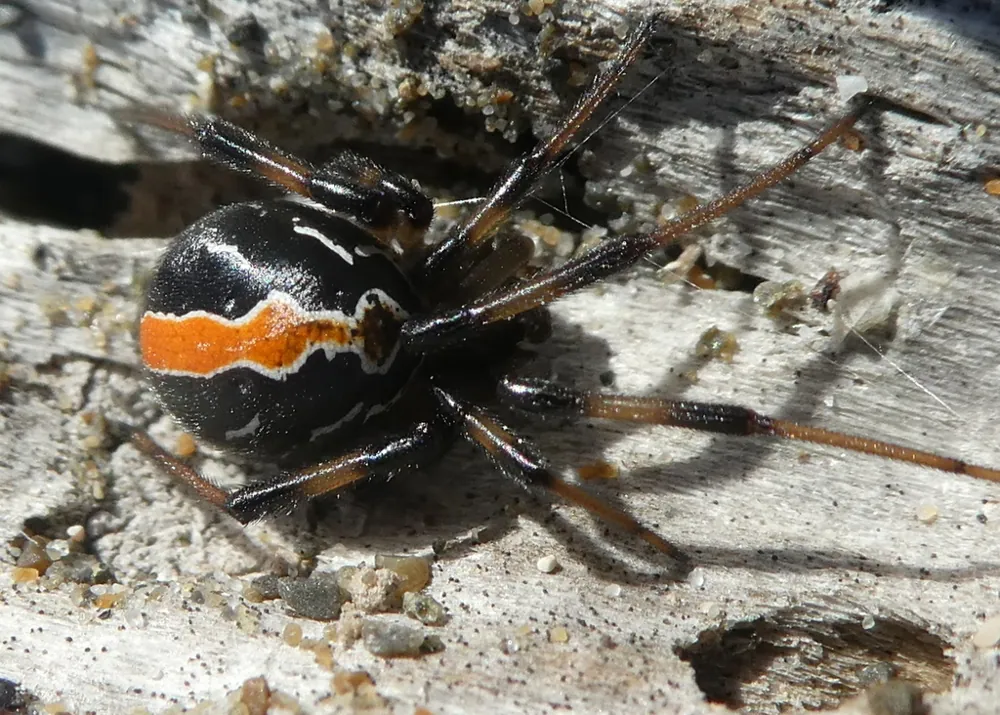
The katipō is a cobweb spider found only in New Zealand, where it lives in coastal sand dunes. It is closely related to the Australian redback spider. Its bite is venomous to people, but bites are rare.1
 Jak ho poznat
- Adult females have a body length of 8–10 mm (about 0.3–0.4 in).1
- The red katipō, found in the South Island and lower North Island, has a large black, shiny abdomen with a white-bordered orange or red stripe on top, and a red hourglass-shaped marking underneath.1
- The black katipō, found in the upper North Island, has no upper red or orange stripe and is somewhat lighter in colour.1
- Males are 4–5 mm long, white with black stripes and red hourglass-shaped markings.1
Často se plete s: Steatoda species, which share the same habitat, are very similar and are called "false katipō" in New Zealand. The katipō has a less shiny, more tapered abdomen, and its side eyes are further apart. It is also similar to the redback, but the katipō has only short hair-like spines on its abdomen, while the redback has a mix of long and short ones.1
Síla jedu
Jed vychází jedovými zuby nebo zuby, když kouše.
Co dělá jeho jed?
The bite can cause latrodectism, a toxic syndrome that affects the nerves and body. Symptoms include extreme pain and, potentially, high blood pressure (hypertension) or seizures.1
Jak je nebezpečné pro lidi?
Nebezpečí pro lidi: VážnéKousnutí potřebuje lékaře. Úmrtí jsou velmi vzácná.Katipō are venomous to humans, but bites are described as rare. Serious symptoms are possible, including extreme pain, high blood pressure and seizures.1
 Dobrá zpráva: lékaři na to mají lék (protijed) nebo léčbu.1
 Když kousne
- Umyj místo kousnutí a dej na něj ledový obklad na bolest. Vyhledej lékařskou pomoc, pokud je bolest silná, šíří se nebo se postiženému udělá zle.
Vždy nejdřív zavolej na tísňovou linku (112, 000, 911). Jde o obecné rady k první pomoci, ne o lékařskou radu. Základy první pomoci
 Buď v bezpečí
- Nikdy se nedotýkej divokého zvířete, nechytej ho a neprovokuj, ani malé, a ani když vypadá, že spí nebo je mrtvé.
- Nech mu prostor. Když ho potkáš, zůstaň v klidu, pomalu couvej a nech ho jít svou cestou.
- Když tě kousne: zůstaň v klidu, nehýbej se, zavolej na tísňovou linku (112, 000, 911) nebo se rychle dostaň do nemocnice. Zapamatuj si, jak vypadalo, fotka pomůže.
Nejde po tobě. Jed používá k lovu potravy nebo k obraně a mnohem radši se schová. Víc o bezpečí
Jak je velké?
Jak je dlouhé?
 tak malé, že se vejde na tvůj nehet
Katipo: jak je velké ve srovnání s TEBOU?
Jen matematika ve tvém prohlížeči. Nic se neukládá ani nikam neposílá.
Jak je rychlé?


Fakta
In one 24-hour study of young spiders, 28% left the web by ballooning, carried by air currents.1
Katipō is one of the few Māori words that refers to a specific species of spider.1
The female does not usually eat the male after mating, unlike some other widow spiders.1
Females cover their egg sacs with silk and sand, which partly hides them in the web.1
The katipō is found only in New Zealand.1
Lovec mýtů
Mýtus: The katipō is just a form of the redback spider.
Pravda: The katipō is genetically and physically distinct from the redback, even though the two are closely related. It was once thought to be a subspecies of the redback.1
Pro znalce jedů
- Vědecký název
- Latrodectus katipo
- Skupina
- Pavouci
- Rodina
- Theridiidae2
- Pořadí
- Araneae
- Kontinenty
- Austrálie a Oceánie
- Mláďata
- The female lays five or six egg sacs in November or December, with about 70 to 90 eggs in each. The young hatch after 20–25 days and leave the egg sac in January and February.1
- Jak se mu daří v přírodě
- In serious decline (New Zealand Threat Classification System)1
- Nebezpečí pro lidi
- 3 / 5: Vážné3
Odkud fakta pocházejí
- Katipō (Wikipedia (CC BY-SA 4.0))
- Latrodectus katipo (iNaturalist): jména a zařazení.
- Venom Wiki: úroveň nebezpečí, typická velikost a odhad rychlosti jsou naše vlastní. Podívej se, jak je určujeme: Jak hodnotíme nebezpečí.
Každý fakt na této stránce má číslo, které odkazuje na jeho zdroj. Pokud jsme se spletli, promiň, jsme fanoušci zvířat, ne vědecký časopis. Napiš nám na [email protected] a opravíme to.
 Štír má hlad! Venom Wiki je projekt jednoho člověka: zdarma, bez reklam a bez sledování. Malé spropitné pomáhá udržet ho online.Nakrm štíra
Víc ze stejné skupiny: Pavouci
 Redback spider
 White-tailed spider
 Peacock spider
 Badge huntsman spider
 Black house spider
 Eastern white-tailed spider
Žije také v: Austrálie a Oceánie
 Coastal taipanAustralští hadiSmrtelně nebezpečné
 Common death adderAustralští hadiSmrtelně nebezpečné
 Eastern brown snakeAustralští hadiSmrtelně nebezpečné
 Taipan menšíAustralští hadiSmrtelně nebezpečné
 Sydney funnel-web spiderSklípkani a atraxiSmrtelně nebezpečné
 Tygří hadAustralští hadiSmrtelně nebezpečné