
 Afrika
 Asie
Asie Evropa
 Jižní Amerika
 Austrálie a Oceánie
 Antarktida
 Tichý oceán
 Atlantský oceán
 Indický oceán
 Severní ledový oceán
 Středozemní moře
 Rudé moře
 Karibské moře
 Korálové moře
 Jihočínské moře
 Filipínské moře
 Andamanské moře
 Severní moře
 Timorské a Arafurské moře
 Bengálský záliv
 Kalifornský záliv
Western harvester ant
 Bodnutí
The western harvester ant is a species of ant that lives in the dry deserts and grasslands of the American West and Canada. It gets its name from collecting seeds to eat. It has a painful, venomous sting, and large colonies can damage grazing land.1



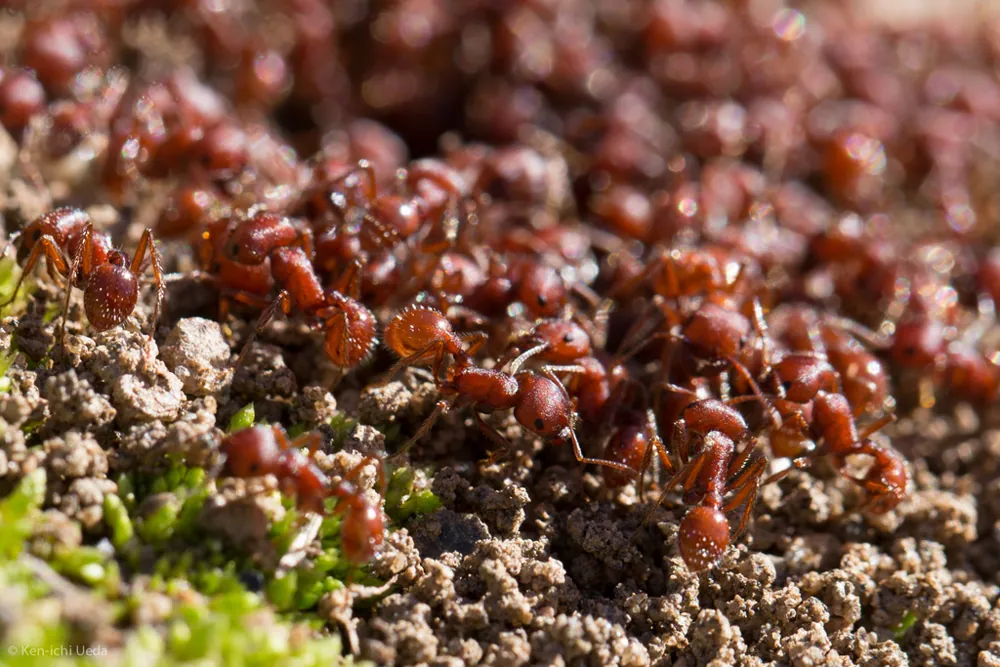
 Jak ho poznat
Síla jedu
Jed vychází žihadlem.
Co dělá jeho jed?
The sting is venomous and painful.1
Jak je nebezpečné pro lidi?
Nebezpečí pro lidi: BolestivéMůže to hodně bolet, ale skoro nikdy to není vážné.Its sting is painful. Where there are many colonies, they can cause such loss of grazing plants and seeds that they are a severe ecological and economic burden.1
 Když bodne
- Umyj a zchlaď místa bodnutí.
- Pokud má postižený potíže s dýcháním, otok obličeje nebo krku nebo se cítí na omdlení, jde o alergickou pohotovost: zavolej na tísňovou linku.
Vždy nejdřív zavolej na tísňovou linku (112, 000, 911). Jde o obecné rady k první pomoci, ne o lékařskou radu. Základy první pomoci
 Buď v bezpečí
- Nikdy se nedotýkej divokého zvířete, nechytej ho a neprovokuj, ani malé, a ani když vypadá, že spí nebo je mrtvé.
- Nech mu prostor. Když ho potkáš, zůstaň v klidu, pomalu couvej a nech ho jít svou cestou.
- Když tě bodne: zůstaň v klidu, nehýbej se, zavolej na tísňovou linku (112, 000, 911) nebo se rychle dostaň do nemocnice. Zapamatuj si, jak vypadalo, fotka pomůže.
Nejde po tobě. Jed používá k lovu potravy nebo k obraně a mnohem radši se schová. Víc o bezpečí
Jak je velké?
Jak je dlouhé?
 tak malé, že se vejde na tvůj nehet
Western harvester ant: jak je velké ve srovnání s TEBOU?
Jen matematika ve tvém prohlížeči. Nic se neukládá ani nikam neposílá.
Jak je rychlé?


Fakta
Mounds are surrounded by bare ground, so they do not burn during fires.1
A mature colony can have up to 20,000 workers and one queen, and its nest can reach 5 metres (16 ft) deep.1
Honey ants (Myrmecocystus mexicanus) often nest close to western harvester ant colonies and feed on dead or dying workers.1
A queen mates with 2 to 11 different males, with an average of 6.3.1
Workers usually change their jobs as they age, and they forage towards the ends of their lives. A worker lives for an average of six months.1
In cooler months, workers forage throughout the day. In summer they forage only from 5–11 am and 3–9 pm.1
Pro znalce jedů
- Vědecký název
- Pogonomyrmex occidentalis
- Skupina
- Mravenci
- Rodina
- Formicidae2
- Pořadí
- Hymenoptera
- Kontinenty
- Severní Amerika
- Mláďata
- The queen lays eggs, and many of the eggs in the first batch die. The first workers, called nanitics, are stunted and measure about 2 mm long.1
- Délka života
- asi 30 let1
- Nebezpečí pro lidi
- 2 / 5: Bolestivé3
Odkud fakta pocházejí
- Pogonomyrmex occidentalis (Wikipedia (CC BY-SA 4.0))
- Pogonomyrmex occidentalis (iNaturalist): jména a zařazení.
- Venom Wiki: úroveň nebezpečí, typická velikost a odhad rychlosti jsou naše vlastní. Podívej se, jak je určujeme: Jak hodnotíme nebezpečí.
Každý fakt na této stránce má číslo, které odkazuje na jeho zdroj. Pokud jsme se spletli, promiň, jsme fanoušci zvířat, ne vědecký časopis. Napiš nám na [email protected] a opravíme to.
 Štír má hlad! Venom Wiki je projekt jednoho člověka: zdarma, bez reklam a bez sledování. Malé spropitné pomáhá udržet ho online.Nakrm štíra
 Bullet ant
 Army ant
 Maricopa harvester ant
 Trap-jaw ant
 Acacia ant
 California harvester ant
 Křovinář sametový
 Eastern coral snake
 Eastern diamondback rattlesnake
 Eyelash viper
 Timber rattlesnake
 Western diamondback rattlesnake