
 África
 Asia
Asia Europa
 Sudamérica
 Australia y Oceanía
 Antártida
 Océano Pacífico
 Océano Atlántico
 Océano Índico
 Océano Ártico
 Mar Mediterráneo
 Mar Rojo
 Mar Caribe
 Mar del Coral
 Mar de China Meridional
 Mar de Filipinas
 Mar de Andamán
 Mar del Norte
 Mar de Timor y de Arafura
 Golfo de Bengala
 Golfo de California
Common quail
 Tóxico si se come
The common quail is a small, plump ground-nesting bird. It breeds across Europe and North Africa and spends the winter in Africa and southern India. Its meat can be poisonous, so it is a bird where a little knowledge matters.1



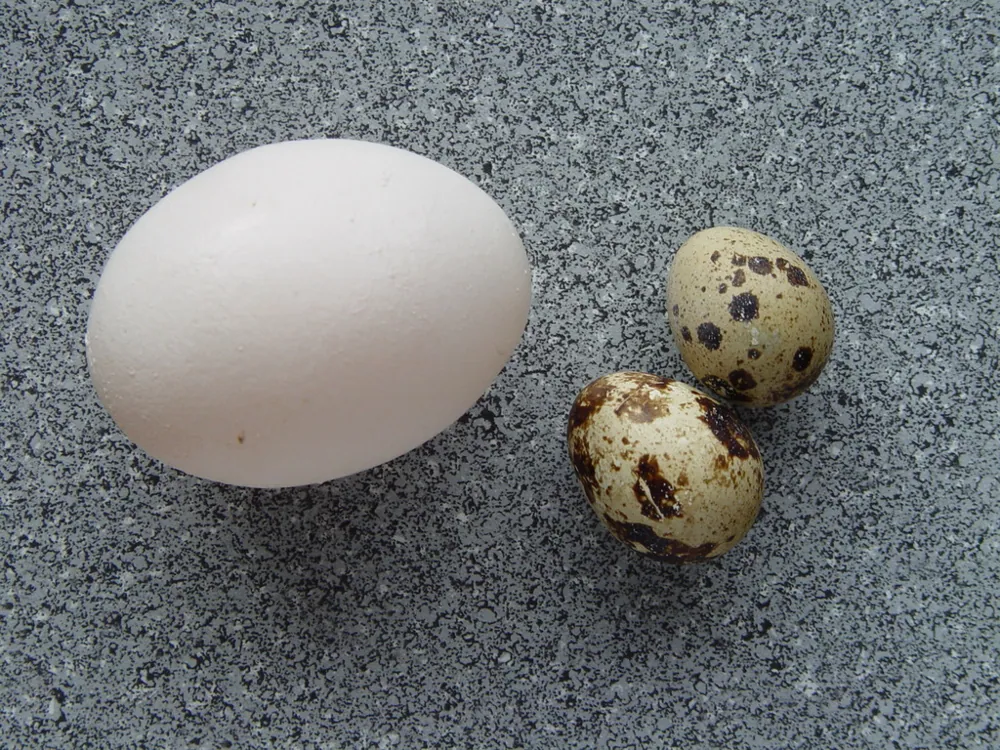
 Cómo reconocerlo
- A small, compact bird about 16 to 18 cm long1
- Streaked brown plumage with a white eyestripe1
- Males have a white chin1
- Long wings, unlike most game birds1
- A call of three repeated chirps, and the male's song sounds like 'wet-my-lips'1
Se confunde a menudo con: The Japanese quail (Coturnix japonica), native to Asia, looks very similar. Its call is very different from that of the common quail, which is the best way to tell them apart.1
Poder tóxico
Solo es dañino si algo se lo come.
¿Qué hace su toxina?
This bird is not venomous. Its meat can be poisonous if the birds have eaten certain plants, although which plants is still debated. The resulting illness, called coturnism, causes muscle soreness and may lead to kidney failure.1
¿Qué peligro tiene para las personas?
Peligro para las personas: DolorosoPuede doler de verdad, pero casi nunca es grave.One in four people who eat poisonous quail meat become ill with coturnism. The illness can lead to kidney failure.1
¿Qué hace cuando se asusta?
When flushed, it keeps low and soon drops back into cover. It would rather creep away than fly.1
 Si alguien lo tocó o se lo comió
- Si alguien se lo comió o tiene síntomas después de comerlo: llama enseguida a tu número de emergencias o al centro de toxicología.
Llama siempre primero a tu número de emergencias (112, 000, 911). Esto son pautas generales de primeros auxilios, no consejo médico. Primeros auxilios básicos
 Mantente a salvo
- Nunca toques, atrapes ni molestes a un animal salvaje, aunque sea pequeño y aunque parezca dormido o muerto.
- Déjale espacio. Si te encuentras uno, mantén la calma, retrocede despacio y deja que siga su camino.
- Si lo tocaste o te lo comiste: no te frotes los ojos ni la boca, lávate las manos y busca ayuda médica.
No va a por ti. Su veneno solo está ahí para que nadie se lo coma. Más sobre cómo protegerte
¿En qué parte del mundo?
¿Qué tamaño tiene?
¿Cuánto mide?
¿Cuánto pesa?

 mide como 6 piezas de construcción de juguete en fila
 podría cruzar volando un campo de fútbol entero en 9,5 segundos
¿Qué tamaño tiene Common quail comparado contigo?
Solo cálculos en tu navegador. No se guarda ni se envía nada a ningún sitio.
¿Qué velocidad alcanza?


Datos
Huge numbers are caught in nets along the Mediterranean coast of Egypt. An estimated 12.9 million birds were caught across Egypt in 2012 during the autumn migration.1
In 1537, Queen Jane Seymour, third wife of Henry VIII, developed a strong craving for quail. Courtiers and diplomats abroad were ordered to find supplies for her.1
The Book of Numbers in the Bible describes a huge mass of quails blown in by a wind, which the Israelites took as meat in the wilderness.1
Common quails are strongly migratory, unlike most game birds.1
The young can leave the nest and feed themselves shortly after hatching, and they stay with the family group for 30 to 50 days.1
Para expertos en veneno
- Nombre científico
- Coturnix coturnix
- Grupo
- Otros animales tóxicos
- Familia
- Phasianidae2
- Orden
- Galliformes
- Continentes
- Europa, Asia, África
- Crías
- The female lays a clutch of 8 to 13 eggs, one every 24 hours, in a shallow scrape on the ground. The chicks hatch together after 17 to 20 days and can feed themselves soon after hatching.1
- Cómo le va en la naturaleza
- Least concern (IUCN)1
- Peligro para las personas
- 2 / 5: Doloroso3
De dónde salen los datos
- Common quail (Wikipedia (CC BY-SA 4.0))
- Coturnix coturnix (iNaturalist): nombres y clasificación.
- Venom Wiki: el nivel de peligro, el tamaño típico y la velocidad estimada son nuestros. Mira cómo los calculamos: Cómo valoramos el peligro.
Cada dato de esta página tiene un número que lleva a su fuente. Si nos hemos equivocado en algo, perdón, somos fans de los animales, no una revista científica. Escríbenos a [email protected] y lo arreglamos.
 ¡El escorpión tiene hambre! Venom Wiki es un proyecto de una sola persona: gratis, sin anuncios y sin rastreadores. Una pequeña propina ayuda a mantenerlo en línea.Alimenta al escorpión
Más del mismo grupo: Otros animales tóxicos
 Spanish flyOtros animales tóxicosNecesita médicoNo tocar
 African crested ratOtros animales tóxicosNecesita médicoNo tocar
 Green spotted pufferOtros animales tóxicosNecesita médico
 Spur-winged gooseOtros animales tóxicosSolo duele
 Cinnabar mothOtros animales tóxicosInofensivo
 Fahaka pufferfishOtros animales tóxicosPuede matar
 Common European adder
 Common wasp
 European hornet
 Fire salamander
 Western honey bee
 Blunt-nosed viper