
 África
 Asia
Asia Europa
 Sudamérica
 Australia y Oceanía
 Antártida
 Océano Pacífico
 Océano Atlántico
 Océano Índico
 Océano Ártico
 Mar Mediterráneo
 Mar Rojo
 Mar Caribe
 Mar del Coral
 Mar de China Meridional
 Mar de Filipinas
 Mar de Andamán
 Mar del Norte
 Mar de Timor y de Arafura
 Golfo de Bengala
 Golfo de California
Hobo spider
 Mordeduras
The hobo spider is a brown spider that lives in fields, woods and under rocks in Europe, Central Asia and western North America. It builds a funnel-shaped sheet of silk and waits at the narrow end for insects to crawl on. It sometimes builds webs in or around homes, so people often worry about its bite.1

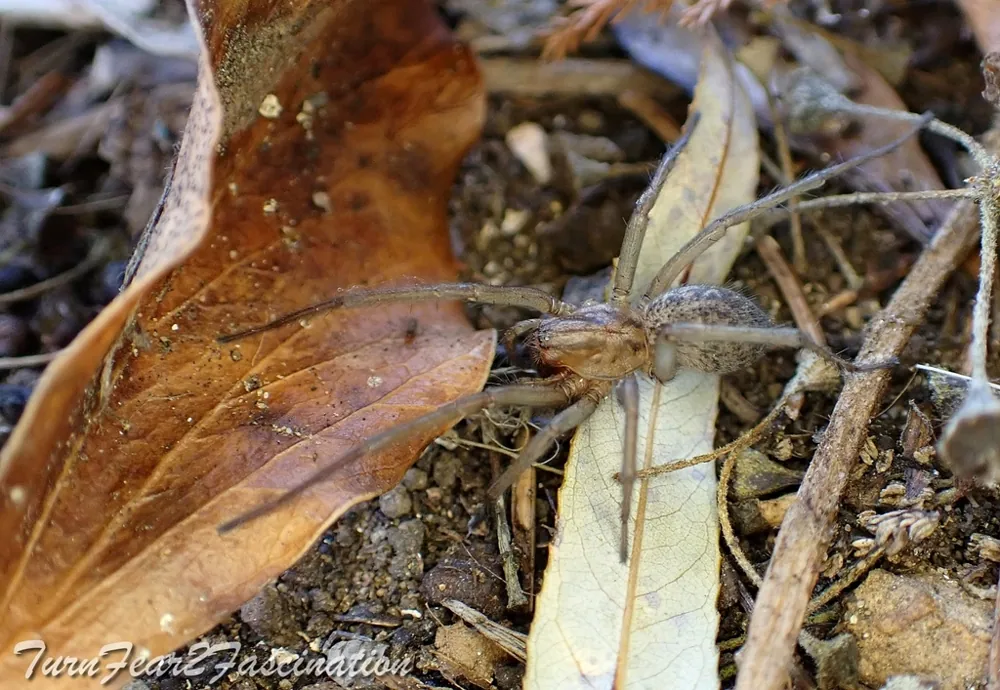
 Cómo reconocerlo
- Body length is 7 to 14 mm, and the spider is brownish in colour.1
- The abdomen has V-shaped chevron patterns down the middle, pointing towards the head.1
- There is a light stripe running down the middle of the underside (sternum).1
- There are no coloured bands where the leg joints meet.1
- The top of the front body section (cephalothorax) has indistinct or diffused patterns, not two distinct dark stripes.1
Se confunde a menudo con: Other Eratigena species have three or four pairs of light spots on the sides of the sternum rather than a central stripe, though these spots can be very faint. Spiders in the genera Agelenopsis and Hololena, and possibly some wolf spiders, have two distinct dark stripes on the top of the front body section. Positive identification of hobo spiders usually requires microscopic examination of their sex organs by an expert.1
Poder del veneno
El veneno sale por sus colmillos o dientes cuando muerde.
¿Qué hace su veneno?
There is no clear evidence that the hobo spider has venom that is dangerous to humans. Earlier case reports linked its bites to isolated cases of necrosis, which is the death of skin tissue, but this is no longer supported.1
¿Qué peligro tiene para las personas?
Peligro para las personas: LeveComo una picadura de abeja o menos. Prácticamente inofensivo para las personas.There is little evidence that the hobo spider is dangerously venomous. The US CDC no longer lists it among venomous species, as of 2017. In Canada there is no evidence that its bites cause skin necrosis.1
 Si muerde
- Lava la mordedura y ponle hielo para el dolor. Busca ayuda médica si el dolor es fuerte, se extiende o la persona se encuentra mal.
Llama siempre primero a tu número de emergencias (112, 000, 911). Esto son pautas generales de primeros auxilios, no consejo médico. Primeros auxilios básicos
 Mantente a salvo
- Nunca toques, atrapes ni molestes a un animal salvaje, aunque sea pequeño y aunque parezca dormido o muerto.
- Déjale espacio. Si te encuentras uno, mantén la calma, retrocede despacio y deja que siga su camino.
- Si te muerde: mantén la calma, no te muevas, llama a tu número de emergencias (112, 000, 911) o ve rápido a un hospital. Recuerda cómo era, una foto ayuda.
No va a por ti. Usa su veneno para cazar o defenderse, y prefiere mil veces esconderse. Más sobre cómo protegerte
¿En qué parte del mundo?
¿Qué tamaño tiene?
¿Cuánto mide?
 tan pequeño que cabe en tu uña
 podría recorrer 100 metros en 360 segundos (el humano más rápido necesita 9,6)
¿Qué tamaño tiene Hobo spider comparado contigo?
Solo cálculos en tu navegador. No se guarda ni se envía nada a ningún sitio.
¿Qué velocidad alcanza?


Datos
Cazamitos
Mito: Hobo spiders have dangerous venom that causes skin necrosis.
Verdad: There is little clear evidence that the hobo spider's venom is dangerous to humans. Some bites reported as hobo spider bites may have been from the desert grass spider.1
De dónde salen los datos
- Hobo spider (Wikipedia (CC BY-SA 4.0))
- Eratigena agrestis (iNaturalist): nombres y clasificación.
- Venom Wiki: el nivel de peligro, el tamaño típico y la velocidad estimada son nuestros. Mira cómo los calculamos: Cómo valoramos el peligro.
Cada dato de esta página tiene un número que lleva a su fuente. Si nos hemos equivocado en algo, perdón, somos fans de los animales, no una revista científica. Escríbenos a [email protected] y lo arreglamos.
 ¡El escorpión tiene hambre! Venom Wiki es un proyecto de una sola persona: gratis, sin anuncios y sin rastreadores. Una pequeña propina ayuda a mantenerlo en línea.Alimenta al escorpión
Más del mismo grupo: Arañas
 Mediterranean black widow
 Diving bell spider
 European yellow sac spider
 Noble false widow
 Tarantula wolf spider
 Daddy long-legs spider
También vive en: Europa
 Common European adderVíborasNecesita médico
 Spanish flyOtros animales tóxicosNecesita médicoNo tocar
 Common waspAbejas, avispas y avisponesSolo duele
 European hornetAbejas, avispas y avisponesSolo duele
 Fire salamanderRanas venenosas, sapos y tritonesSolo dueleNo tocar
 Western honey beeAbejas, avispas y avisponesSolo duele