
 Afrika
 Asia
Asia Europa
 Hego Amerika
 Australia eta Ozeania
 Antartika
 Ozeano Barea
 Ozeano Atlantikoa
 Ozeano Indikoa
 Ozeano Artikoa
 Mediterraneo itsasoa
 Itsaso Gorria
 Karibe itsasoa
 Koralen itsasoa
 Hego Txinako itsasoa
 Filipinetako itsasoa
 Andaman itsasoa
 Ipar itsasoa
 Timor eta Arafura itsasoak
 Bengalako golkoa
 Kaliforniako golkoa
Common quail
 Toxikoa jateko
The common quail is a small, plump ground-nesting bird. It breeds across Europe and North Africa and spends the winter in Africa and southern India. Its meat can be poisonous, so it is a bird where a little knowledge matters.1



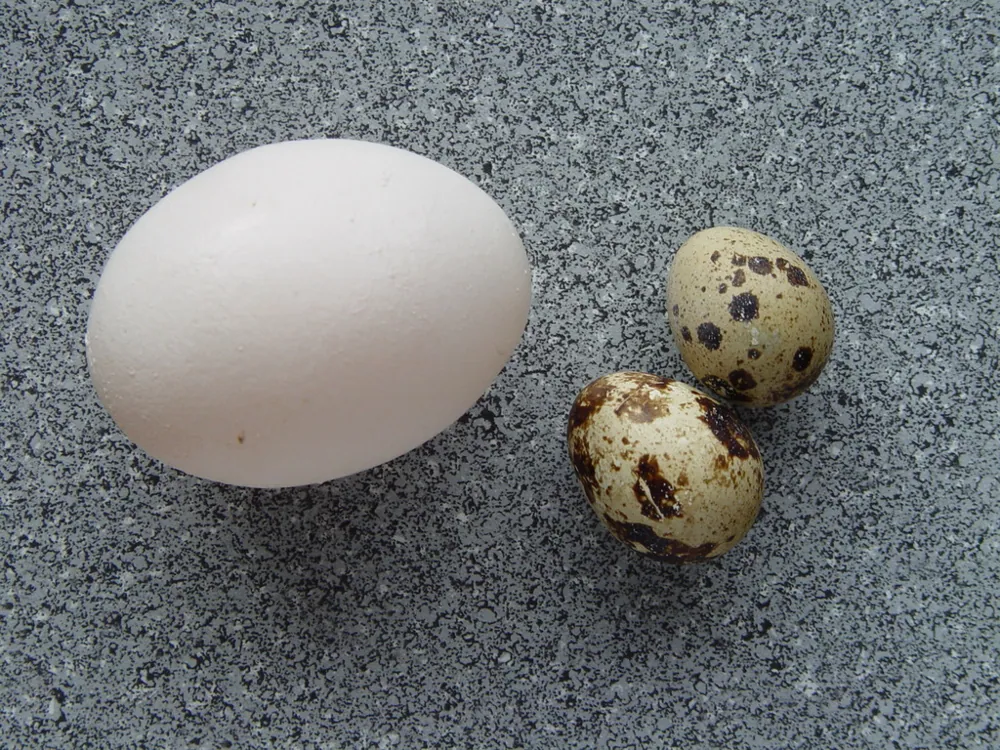
 Nola ezagutu
- A small, compact bird about 16 to 18 cm long1
- Streaked brown plumage with a white eyestripe1
- Males have a white chin1
- Long wings, unlike most game birds1
- A call of three repeated chirps, and the male's song sounds like 'wet-my-lips'1
Askotan honekin nahasten da: The Japanese quail (Coturnix japonica), native to Asia, looks very similar. Its call is very different from that of the common quail, which is the best way to tell them apart.1
Pozoi-indarra
Zerbaitek jaten badu bakarrik da kaltegarria.
Zer egiten du bere toxinak?
This bird is not venomous. Its meat can be poisonous if the birds have eaten certain plants, although which plants is still debated. The resulting illness, called coturnism, causes muscle soreness and may lead to kidney failure.1
Zein arriskutsua da pertsonentzat?
Arriskua pertsonentzat: MingarriaBenetan min handia eman dezake, baina ia inoiz ez da larria.One in four people who eat poisonous quail meat become ill with coturnism. The illness can lead to kidney failure.1
Zer egiten du beldurtzen denean?
When flushed, it keeps low and soon drops back into cover. It would rather creep away than fly.1
 Norbaitek ukitu edo jan badu
- Norbaitek jan badu edo jan ondoren sintomak baditu: deitu berehala zure larrialdi-zenbakira edo intoxikazio-zentrora.
Deitu beti lehenik zure larrialdi-zenbakira (112, 000, 911). Lehen sorospenei buruzko orientabide orokorra da hau, ez mediku-aholkua. Lehen sorospenen oinarriak
 Egon seguru
- Ez ukitu, ez harrapatu eta ez zirikatu inoiz animalia basati bat, txikia izan arren, eta lo edo hilda dagoela badirudi ere.
- Utzi tartea. Bat aurkitzen baduzu, egon lasai, egin atzera poliki eta utzi bere bidetik joaten.
- Ukitu edo jan baduzu: ez igurtzi begiak edo ahoa, garbitu eskuak eta lortu mediku-laguntza.
Ez dabil zure atzetik. Pozoia ezerk jan ez dezan baino ez du. Seguru egoteari buruz gehiago
Munduko zein tokitan?
Zein handia da?
Zein luzea da?
Zein astuna da?

 6 eraikuntza-bloke ilaran jarrita bezain luzea
 futbol-zelai oso bat hegan zeharka lezake 9,5 segundotan
Zein handia da Common quail ZUREKIN alderatuta?
Matematika hutsa zure nabigatzailean. Ez da ezer gordetzen, ezta inora bidaltzen ere.
Zein azkarra da?


Datuak
Huge numbers are caught in nets along the Mediterranean coast of Egypt. An estimated 12.9 million birds were caught across Egypt in 2012 during the autumn migration.1
In 1537, Queen Jane Seymour, third wife of Henry VIII, developed a strong craving for quail. Courtiers and diplomats abroad were ordered to find supplies for her.1
The Book of Numbers in the Bible describes a huge mass of quails blown in by a wind, which the Israelites took as meat in the wilderness.1
Common quails are strongly migratory, unlike most game birds.1
The young can leave the nest and feed themselves shortly after hatching, and they stay with the family group for 30 to 50 days.1
Pozoi-adituentzat
- Izen zientifikoa
- Coturnix coturnix
- Taldea
- Beste animalia toxiko batzuk
- Familia
- Phasianidae2
- Ordena
- Galliformes
- Kontinenteak
- Europa, Asia, Afrika
- Kumeak
- The female lays a clutch of 8 to 13 eggs, one every 24 hours, in a shallow scrape on the ground. The chicks hatch together after 17 to 20 days and can feed themselves soon after hatching.1
- Nola dagoen naturan
- Least concern (IUCN)1
- Arriskua pertsonentzat
- 2 / 5: Mingarria3
Datuak nondik datozen
- Common quail (Wikipedia (CC BY-SA 4.0))
- Coturnix coturnix (iNaturalist): izenak eta sailkapena.
- Venom Wiki: arrisku-maila, ohiko tamaina eta abiadura-kalkulua geureak dira. Ikusi nola kalkulatzen ditugun: Nola baloratzen dugun arriskua.
Orrialde honetako datu bakoitzak zenbaki bat du, bere iturrira eramaten zaituena. Zerbait gaizki badugu, barkatu, animalien zaleak gara, ez zientzia-aldizkari bat. Esaiguzu [email protected] helbidean eta konponduko dugu.
 Eskorpioia gose da! Venom Wiki pertsona bakar baten proiektua da: doakoa, iragarkirik eta jarraitzailerik gabe. Eskupeko txiki batek sarean mantentzen laguntzen du.Elikatu eskorpioia
Talde bereko gehiago: Beste animalia toxiko batzuk
 Spanish flyBeste animalia toxiko batzukMedikua behar duEz ukitu
 African crested ratBeste animalia toxiko batzukMedikua behar duEz ukitu
 Green spotted pufferBeste animalia toxiko batzukMedikua behar du
 Spur-winged gooseBeste animalia toxiko batzukMin ematen du, besterik ez
 Cinnabar mothBeste animalia toxiko batzukKaltegabea
 Fahaka pufferfishBeste animalia toxiko batzukHil dezake
Hemen ere bizi da: Europa
 Common European adderSugegorriak eta biperakMedikua behar du
 Common waspErleak, liztorrak eta erlastarrakMin ematen du, besterik ez
 European hornetErleak, liztorrak eta erlastarrakMin ematen du, besterik ez
 Fire salamanderIgel toxikoak, apoak eta uhandreakMin ematen du, besterik ezEz ukitu
 Western honey beeErleak, liztorrak eta erlastarrakMin ematen du, besterik ez
 Blunt-nosed viperSugegorriak eta biperakHil dezake