
 Afrika
 Asia
Asia Europa
 Hego Amerika
 Australia eta Ozeania
 Antartika
 Ozeano Barea
 Ozeano Atlantikoa
 Ozeano Indikoa
 Ozeano Artikoa
 Mediterraneo itsasoa
 Itsaso Gorria
 Karibe itsasoa
 Koralen itsasoa
 Hego Txinako itsasoa
 Filipinetako itsasoa
 Andaman itsasoa
 Ipar itsasoa
 Timor eta Arafura itsasoak
 Bengalako golkoa
 Kaliforniako golkoa
Pine processionary
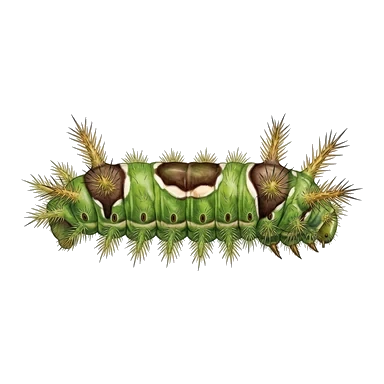 Ile ziztatzaileak
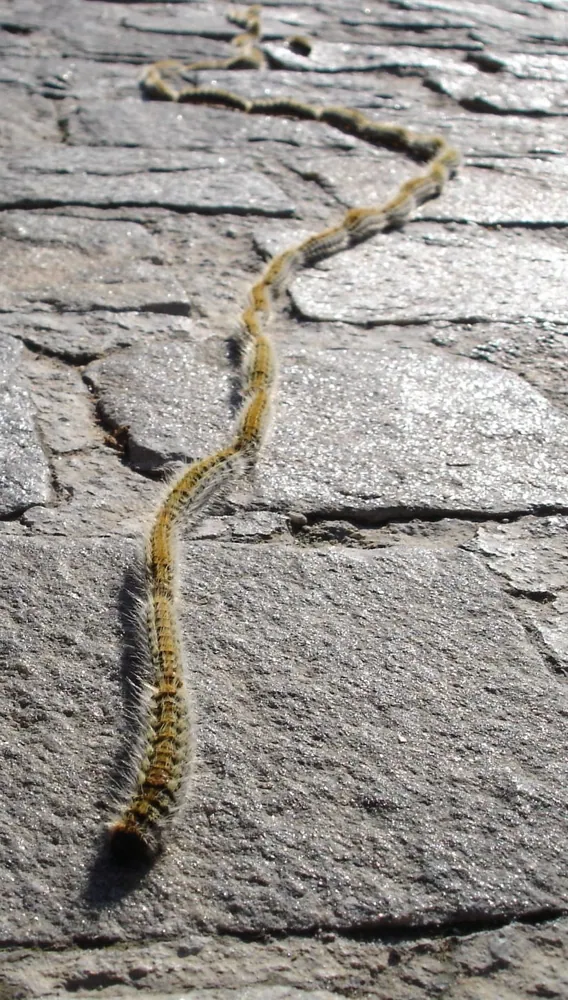
The pine processionary is a moth whose caterpillars are famous for marching in long, nose-to-tail lines through pine woods. Their hairs cause painful rashes and eye irritation, and they can strip the needles from whole trees. It lives around the Mediterranean and is spreading north.1
 Nola ezagutu
- Caterpillars are orange-brown and hairy, with blue bands.1
- Large silken nests in pine trees, often with several in one tree and signs of stripped needles.1
- Caterpillars move in single-file processions, usually at night and when leaving the tree to pupate.1
- Adults have predominantly light brown forewings with brown markings and white hindwings.1
- Adult males have a crescent marking on the wings and are larger than the oak processionary.1
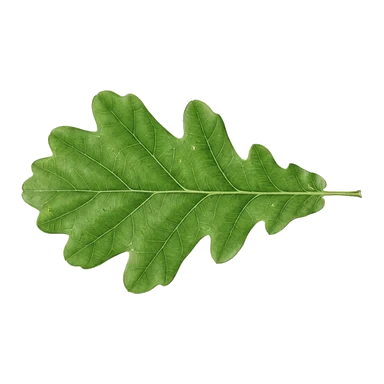
Askotan honekin nahasten da: The oak processionary (Thaumetopoea processionea) is smaller as an adult, has an indistinct wing marking rather than a crescent, and lives in broad-leaved rather than coniferous forests. The pale eggar moth has no crescent marking on its wings.1
Pozoi-ahalmena
Ile edo zurda txikiak azalean hausten dira eta ziztatu egiten dute.
Zer egiten du bere pozoiak?
The species is not venomous. Its caterpillars have hairs containing an irritant chemical called thaumetopoein, which causes skin rashes (urticaria) and eye irritation on contact. Some people may have an allergic reaction. The hairs of fifth-stage larvae can also break off and spread across nearby exposed skin.1
Zein arriskutsua da pertsonentzat?
Arriskua pertsonentzat: MingarriaBenetan min handia eman dezake, baina ia inoiz ez da larria.Simple contact with the caterpillar hairs can cause severe rashes and eye irritation in humans and other mammals. Some individuals may have an allergic reaction.1
Zer egiten du beldurtzen denean?
When stressed or threatened, fifth-stage caterpillars eject harpoon-shaped hairs that irritate any exposed skin nearby.1
 Bere ileak ukitzen badituzu
- Beldar ziztatzaileen ileak: kendu zinta itsaskorrarekin, eta gero garbitu azala. Ez igurtzi.
- Koskak: garbitu eta hoztu. Lortu mediku-laguntza pertsona gaizki sentitzen bada edo erraz odoltzen bada.
Deitu beti lehenik zure larrialdi-zenbakira (112, 000, 911). Lehen sorospenei buruzko orientabide orokorra da hau, ez mediku-aholkua. Lehen sorospenen oinarriak
 Egon seguru
- Ez ukitu, ez harrapatu eta ez zirikatu inoiz animalia basati bat, txikia izan arren, eta lo edo hilda dagoela badirudi ere.
- Utzi tartea. Bat aurkitzen baduzu, egon lasai, egin atzera poliki eta utzi bere bidetik joaten.
- Bere ileak ukitzen badituzu: egon lasai, egon geldi, deitu zure larrialdi-zenbakira (112, 000, 911) edo joan ospitalera azkar. Gogoratu nolakoa zen, argazki batek laguntzen du.
Ez dabil zure atzetik. Pozoia janaria harrapatzeko edo bere burua babesteko erabiltzen du, eta askoz nahiago du ezkutatu. Seguru egoteari buruz gehiago
Munduko zein tokitan?
Zein handia da?
Zein luzea da?
 klip bat bezain luzea, gutxi gorabehera
 lorategiko barraskilo bat baino motelagoa
Zein handia da Pine processionary ZUREKIN alderatuta?
Matematika hutsa zure nabigatzailean. Ez da ezer gordetzen, ezta inora bidaltzen ere.
Zein azkarra da?


Datuak
Caterpillars in a procession hold together through touch from the caterpillar in front, which takes priority over the trail pheromone or silk.1
The caterpillars are one of the few temperate-zone insects whose larvae develop through the winter, living in silk nests high in pine trees.1
Adults live for only a single day, during which they mate and lay eggs.1
The Greek physician Dioscorides described the itching caused by this caterpillar in the 1st century AD, and Pliny the Elder recorded a treatment for it.1
Outbreaks are somewhat cyclical, with a period of 7 to 9 years.1
Mito-hauslea
Mitoa: Fabre's caterpillars marched in a circle around a flower pot only because they were trapped on its rim.
Egia: Young caterpillars' circular trails continue for as long as 12 hours even when they are free on a flat surface.1
Pozoi-adituentzat
- Izen zientifikoa
- Thaumetopoea pityocampa
- Taldea
- Beldarrak eta zomorroak
- Familia
- Notodontidae2
- Ordena
- Lepidoptera
- Kontinenteak
- Europa, Afrika, Asia
- Kumeak
- Each female lays an enormous number of eggs near the tops of pine trees, in cylindrical egg masses 4 to 5 cm long covered with scales that mimic pine shoots.1
- Arriskua pertsonentzat
- 2 / 5: Mingarria3
Datuak nondik datozen
- Pine processionary (Wikipedia (CC BY-SA 4.0))
- Thaumetopoea pityocampa (iNaturalist): izenak eta sailkapena.
- Venom Wiki: arrisku-maila, ohiko tamaina eta abiadura-kalkulua geureak dira. Ikusi nola kalkulatzen ditugun: Nola baloratzen dugun arriskua.
Orrialde honetako datu bakoitzak zenbaki bat du, bere iturrira eramaten zaituena. Zerbait gaizki badugu, barkatu, animalien zaleak gara, ez zientzia-aldizkari bat. Esaiguzu [email protected] helbidean eta konponduko dugu.
 Eskorpioia gose da! Venom Wiki pertsona bakar baten proiektua da: doakoa, iragarkirik eta jarraitzailerik gabe. Eskupeko txiki batek sarean mantentzen laguntzen du.Elikatu eskorpioia
Talde bereko gehiago: Beldarrak eta zomorroak
 Oak processionaryBeldarrak eta zomorroakMin ematen du, besterik ezEz ukitu
 White-spotted assassin bugBeldarrak eta zomorroakMin ematen du, besterik ez
 Common bombardier beetleBeldarrak eta zomorroakKaltegabea
 Asian giant water bugBeldarrak eta zomorroakMin ematen du, besterik ez
 Blue-striped nettle grubBeldarrak eta zomorroakMin ematen du, besterik ezEz ukitu
 Brown-tail mothBeldarrak eta zomorroakMin ematen du, besterik ezEz ukitu
Hemen ere bizi da: Europa
 Common European adderSugegorriak eta biperakMedikua behar du
 Spanish flyBeste animalia toxiko batzukMedikua behar duEz ukitu
 Common waspErleak, liztorrak eta erlastarrakMin ematen du, besterik ez
 European hornetErleak, liztorrak eta erlastarrakMin ematen du, besterik ez
 Fire salamanderIgel toxikoak, apoak eta uhandreakMin ematen du, besterik ezEz ukitu
 Western honey beeErleak, liztorrak eta erlastarrakMin ematen du, besterik ez