
 آفریقا
 آسیا
آسیا اروپا
اروپا آمریکای جنوبی
 استرالیا و اقیانوسیه
 قطب جنوب
 اقیانوس آرام
 اقیانوس اطلس
 اقیانوس هند
 اقیانوس منجمد شمالی
 دریای مدیترانه
 دریای سرخ
 دریای کارائیب
 دریای مرجان
 دریای چین جنوبی
 دریای فیلیپین
 دریای آندامان
 دریای شمال
 دریای تیمور و آرافورا
 خلیج بنگال
 خلیج کالیفرنیا
Common lancehead
 گزشها
گزشهاThe common lancehead is a highly venomous pit viper that lives in the tropical lowlands of northern South America and on the Caribbean island of Trinidad. It is one of the most common pit vipers in its range and is not endangered. Its venom disrupts blood clotting, which makes its bite especially serious.1



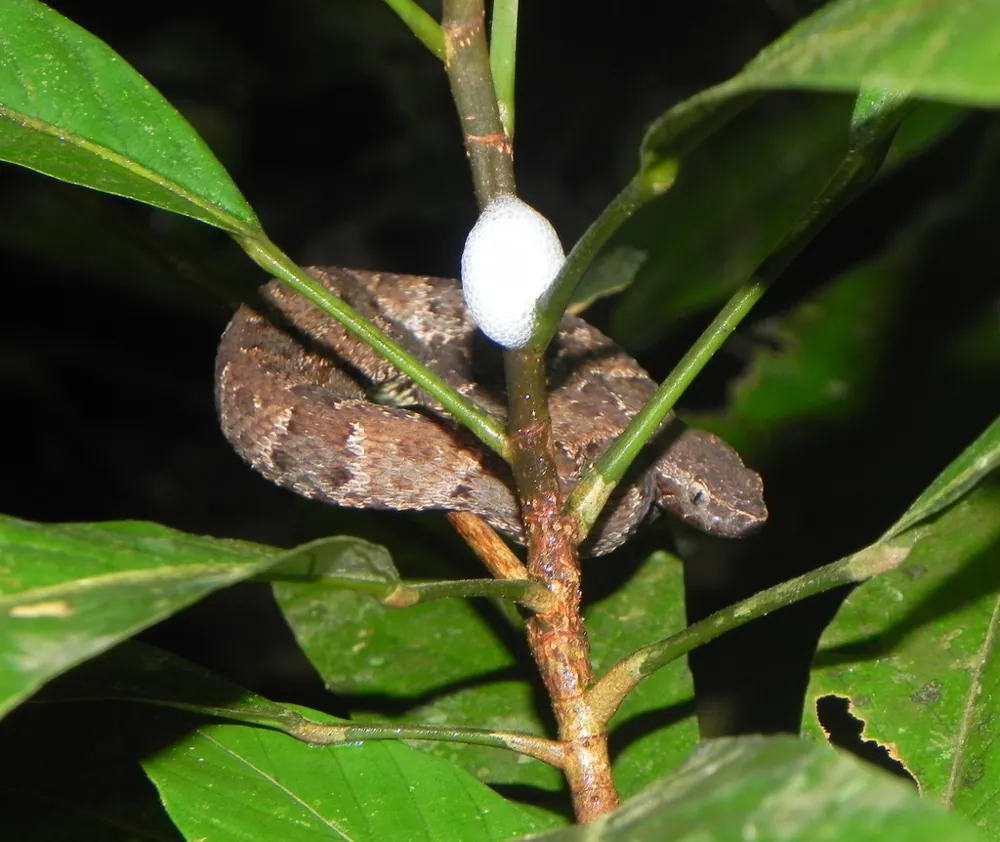
 چطور آن را بشناسی
- Ground colour is olive, brown, tan, grey or yellow, and rarely rusty.1
- The body pattern is a series of blotches that often fuse into bands. The markings are X-like, which is why some local names refer to the letter X.1
- The chin is pale yellow, and a dark stripe runs from behind the eye to the corner of the mouth.1
- The irises are gold or bronze, and the tongue is black.1
- Adults usually measure 75 to 125 cm in total length and are moderately heavy-bodied.1
اغلب با این اشتباه گرفته میشود: It is often confused with Bothrops asper, which was once included in this species. Most authorities now consider B. asper to be a separate species. This confusion also makes reports of its maximum size unclear.1
قدرت زهر
وقتی گاز میگیرد، زهر از راه نیشها یا دندانهایش بیرون میآید.
زهرش چه کار میکند؟
Its venom is haemorrhagic, meaning it damages the lining of blood vessels and uses up the substances that allow blood to clot. Symptoms can include severe bleeding, kidney failure, abnormal clotting, blisters and necrosis (death of body tissue). Bleeding in the brain can also occur. Recovery from the clotting problem has been seen 14 to 30 hours after a bite.1
برای آدمها چقدر خطرناک است؟
خطر برای آدمها: کشندهیکی از خطرناکترین جانوران دنیا.The bite is serious and can be fatal. Plantation workers are often bitten. Juvenile snakes have more lethal venom that kills more quickly, and people bitten by young snakes are more likely to develop the clotting problem. In a case reported in the Brazilian Amazon, the patient died of a stroke even after antivenom was given. A Mexican polyvalent antivenom tested against it had no effect on the clotting problem.1
وقتی میترسد چه کار میکند؟
It is easily agitated, and it can lie camouflaged for hours, nearly undetectable, then strike at high speed.1
 اگر بگزد
- آن آدم را بیحرکت و آرام نگه دار، دست یا پای گزیدهشده را همسطح قلب نگه دار، انگشترها و چیزهای تنگ را دربیاور، و سریع به بیمارستان برسان.
همیشه اول با شمارهی اورژانس تماس بگیر (112، 000، 911). این یک راهنمای عمومی کمکهای اولیه است، نه توصیهی پزشکی. اصول کمکهای اولیه
 در امان بمان
- هیچوقت به یک جانور وحشی دست نزن، آن را نگیر یا اذیتش نکن، حتی اگر کوچک باشد، و حتی اگر خواب یا مرده به نظر برسد.
- از آن فاصله بگیر. اگر یکی دیدی، آرام بمان، آهسته عقب برو و بگذار راه خودش را برود.
- اگر یکی از آنها تو را گزید: آرام بمان، بیحرکت بمان، با شمارهی اورژانس تماس بگیر (112، 000، 911) یا سریع به بیمارستان برو. یادت بماند چه شکلی بود، یک عکس کمک میکند.
دنبال تو نیست. از زهرش برای شکار غذا یا دفاع از خودش استفاده میکند، و خیلی بیشتر دوست دارد قایم شود. بیشتر دربارهی ایمن ماندن
چقدر بزرگ است؟
چقدر دراز است؟
 به درازای 3 گربهی خانگی که پشت سر هم ایستادهاند
 به درازای 9 موز که پشت سر هم گذاشته شدهاند
 میتواند 100 متر را در 92 ثانیه برود (سریعترین انسان به 9٫6 ثانیه نیاز دارد)
Common lancehead در مقایسه با تو چقدر بزرگ است؟
فقط محاسبه در مرورگر خودت. هیچ چیزی ذخیره یا به جایی فرستاده نمیشود.
چقدر سریع است؟


نکتهها
An enzyme called reptilase, or batroxobin, is taken from its venom and used in modern medical laboratories to measure fibrinogen levels and blood clotting. The enzyme is not affected by heparin.1
Although it is mostly terrestrial, it is an excellent swimmer and will climb trees when needed to reach prey.1
Females with developing embryos move in and out of sunlight to keep themselves and the embryos at a constant temperature.1
Venom yield averages 124 milligrams, but can reach 342 milligrams.1
Despite the large-scale destruction of rainforests, it is among the most numerous and common of pit vipers.1
برای کارشناسان زهر
- نام علمی
- Bothrops atrox
- گروه
- افعیهای گودالدار
- خانواده
- Viperidae2
- راسته
- Squamata
- قارهها
- آمریکای جنوبی
- نوزادها
- It gives birth to live young, up to 80 at once, with an average of about 60 per litter in equatorial regions after a gestation of three to four months.1
- وضعش در طبیعت چطور است
- Not endangered1
- خطر برای آدمها
- 5 / 5: کشنده3
نکتهها از کجا آمدهاند
- Bothrops atrox (Wikipedia (CC BY-SA 4.0))
- Bothrops atrox (iNaturalist): نامها و طبقهبندی.
- Venom Wiki: سطح خطر، اندازهی معمول و حدس سرعت را خودمان تعیین کردهایم. ببین چطور حسابشان میکنیم: چطور خطر را امتیاز میدهیم.
هر نکته در این صفحه یک شماره دارد که به منبعش اشاره میکند. اگر چیزی را اشتباه گفتهایم، ببخشید، ما عاشق جانورانیم، نه یک مجلهی علمی. به ما در [email protected] خبر بده تا درستش کنیم.
 عقرب گرسنه است! Venom Wiki یک پروژهی یکنفره است: رایگان، بدون تبلیغ و بدون ردیاب. یک انعام کوچک کمک میکند آنلاین بماند.به عقرب غذا بده
بیشتر از همین گروه: افعیهای گودالدار
 Terciopelo
 Eyelash viper
 Golden lancehead
 South American bushmaster
 Jararaca
 Jararacussu
همچنین زندگی میکند در: آمریکای جنوبی
 Golden poison frogقورباغههای سمی، وزغها و سمندرهاکشندهدست نزن
 Brazilian wandering spiderعنکبوتهامیتواند بکشد
 Cane toadقورباغههای سمی، وزغها و سمندرهابه دکتر نیاز دارددست نزن
 Peruvian giant centipedeهزارپاهابه دکتر نیاز دارد
 Bullet antمورچههافقط درد دارد
 Common vampire batپستانداران زهرآگینفقط درد دارد