
 Afrikka
 Aasia
Aasia Eurooppa
 Etelä-Amerikka
 Australia ja Oseania
 Etelämanner
 Tyynimeri
 Atlantti
 Intian valtameri
 Pohjoinen jäämeri
 Välimeri
 Punainenmeri
 Karibianmeri
 Korallimeri
 Etelä-Kiinan meri
 Filippiinienmeri
 Andamaanienmeri
 Pohjanmeri
 Timorinmeri ja Arafuranmeri
 Bengalinlahti
 Kalifornianlahti
Channel catfish
 Myrkkypiikit
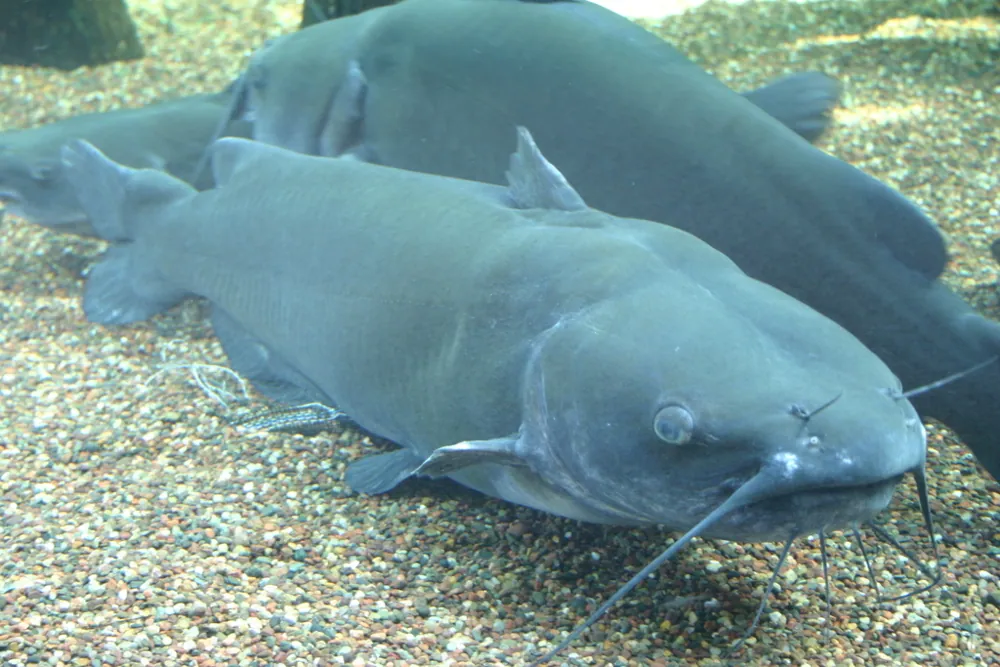
The channel catfish is a freshwater fish native to North America, and it is the continent's most common catfish. It lives in rivers, lakes, ponds and reservoirs, and it is a popular fish for anglers to catch and eat. It has spines on some of its fins that can cause a small injury if it is handled badly.1



 Näin tunnistat sen
Myrkkyvoima
Terävissä piikeissä on myrkkyä. Sen päälle astuminen tai siihen tarttuminen sattuu.
Mitä sen myrkky tekee, kun se puree tai pistää?
The pectoral spine has poisonous tissues that help deter predators.1
Kuinka vaarallinen se on ihmisille?
Vaara ihmisille: KivuliasSe voi sattua tosi paljon, mutta se ei ole juuri koskaan vakavaa.Its fin spines may cause injury if the fish is handled improperly. A prick from a spine is no more dangerous than a mosquito sting.1
Mitä se tekee, kun se pelästyy?
It can lock its pectoral spine as a defence, and the serrated, poison-bearing spine helps to deter predators.1
 Jos sen piikit uppoavat ihoosi
- Laita haava kuumaan veteen, niin kuumaan kuin henkilö kestää polttamatta itseään (kokeile omalla kädelläsi), 30–90 minuutiksi. Hae lääkärin apua, etenkin kivikalan ja rauskun pistoihin.
Soita aina ensin hätänumeroon (112, 000, 911). Nämä ovat yleisiä ensiapuohjeita, eivät lääketieteellisiä neuvoja. Ensiavun perusteet
 Pysy turvassa
- Älä koskaan koske villieläimeen, pyydystä sitä tai kiusaa sitä, ei edes pientä, eikä silloinkaan, kun se näyttää nukkuvan tai olevan kuollut.
- Anna sille tilaa. Jos kohtaat sellaisen, pysy rauhallisena, peräänny hitaasti ja anna sen mennä omaa tietään.
- Jos sen piikit uppoavat ihoosi: pysy rauhallisena, pysy paikallasi, soita hätänumeroon (112, 000, 911) tai mene nopeasti sairaalaan. Muista, miltä se näytti, valokuva auttaa.
Se ei ole sinun perässäsi. Se käyttää myrkkyään saadakseen ruokaa tai suojellakseen itseään, ja se piiloutuu paljon mieluummin. Lisää turvallisuudesta
Missä päin maailmaa?
Kuinka iso se on?
Kuinka pitkä se on?
Kuinka painava se on?

 yhtä pitkä kuin 9 rakennuspalikkaa rivissä
 voisi uida ison uima-altaan (50 m) päästä päähän 21 sekunnissa
Kuinka iso Channel catfish on SINUUN verrattuna?
Pelkkää matematiikkaa selaimessasi. Mitään ei tallenneta eikä lähetetä minnekään.
Kuinka nopea se on?

Faktat
Taste buds cover the whole body, and they are most dense on the four pairs of barbels around the mouth.1
They can sense certain amino acids in water at about one part per 100 million, which helps them find food in murky water.1
The largest channel catfish on record weighed 26 kg and was caught in South Carolina in 1964.1
Channel catfish are the most fished catfish in the United States, with around 8 million anglers catching them each year.1
Fossils of this species have been found in central North America from the Miocene onwards, and the species has lasted for nearly 20 million years.1
Kansas, Missouri, Nebraska and Tennessee have made the channel catfish their official state fish.1
Myyttien murtaja
Myytti: Channel catfish barbels can sting when touched.
Totuus: The barbels cannot sting. The spines on the pectoral and dorsal fins are the only part that can cause injury.1
Myrkkyasiantuntijoille
Mistä tiedot ovat peräisin
- Channel catfish (Wikipedia (CC BY-SA 4.0))
- Ictalurus punctatus (iNaturalist): nimet ja luokittelu.
- Venom Wiki: vaarataso, tyypillinen koko ja nopeusarvio ovat omia arvioitamme. Katso, miten laskemme ne: Näin arvioimme vaaran.
Jokaisella tämän sivun tiedolla on numero, joka viittaa sen lähteeseen. Jos jokin meni pieleen, anteeksi, olemme eläinfaneja emmekä tiedelehti. Kerro meille osoitteeseen [email protected], niin korjaamme sen.
 Skorpionilla on nälkä! Venom Wiki on yhden miehen projekti: ilmainen, ilman mainoksia ja ilman seurantaa. Pieni tippi auttaa pitämään sen verkossa.Ruoki skorpioni
Lisää samasta ryhmästä: Myrkylliset kalat
 Brown bullheadMyrkylliset kalatSattuu vainÄlä koske
 Carolina madtomMyrkylliset kalatSattuu vainÄlä koske
 Margined madtomMyrkylliset kalatSattuu vainÄlä koske
 StonecatMyrkylliset kalatSattuu vainÄlä koske
 Tadpole madtomMyrkylliset kalatSattuu vainÄlä koske
 Reef stonefishMyrkylliset kalatVoi tappaaÄlä koske
 Terciopelo
 Eastern coral snake
 Eastern diamondback rattlesnake
 Eyelash viper
 Timber rattlesnake
 Western diamondback rattlesnake