
 Afrikka
 Aasia
Aasia Eurooppa
 Etelä-Amerikka
 Australia ja Oseania
 Etelämanner
 Tyynimeri
 Atlantti
 Intian valtameri
 Pohjoinen jäämeri
 Välimeri
 Punainenmeri
 Karibianmeri
 Korallimeri
 Etelä-Kiinan meri
 Filippiinienmeri
 Andamaanienmeri
 Pohjanmeri
 Timorinmeri ja Arafuranmeri
 Bengalinlahti
 Kalifornianlahti
Common krait
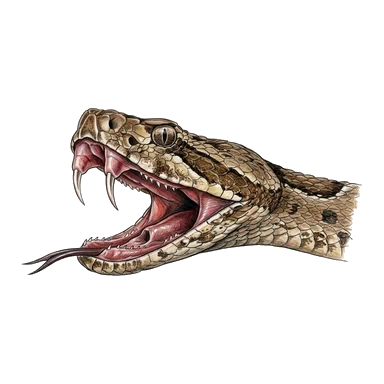 Puremat
The common krait is a highly venomous snake that lives across South Asia. It is shiny black or bluish-black with thin white crossbands. It causes more medically significant snakebites in the Indian subcontinent than any other snake, so knowing what it looks like matters.1
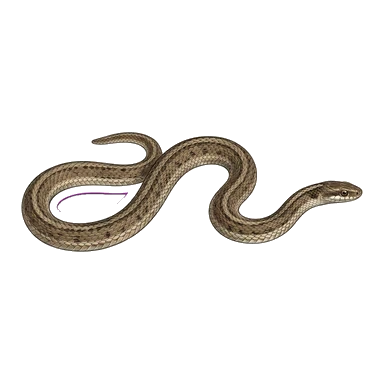
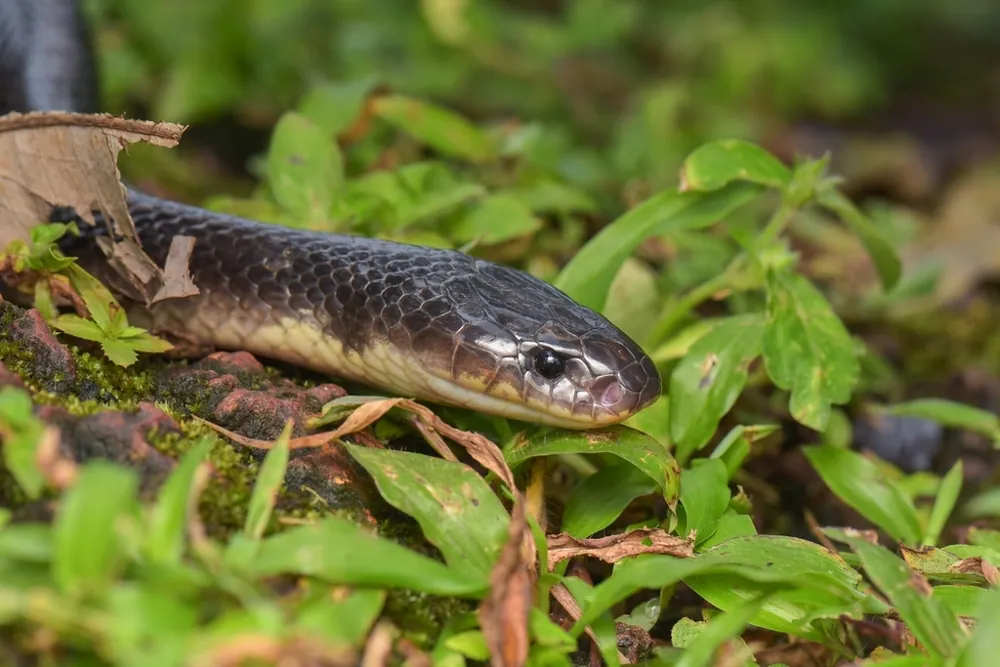
 Näin tunnistat sen
- Body is generally black or bluish-black.1
- About 40 thin, white crossbars run along the body. They may be faint or missing near the head in adults.1
- Young snakes have clear, well-defined crossbands, even near the head.1
- Older snakes may show the white lines as a series of connected spots.1
- The head is flat, the neck is hardly visible, and the tail is short and rounded.1
Myrkkyvoima
Myrkky tulee ulos myrkkyhampaista tai hampaista, kun se puree.
Mitä sen myrkky tekee, kun se puree tai pistää?
Its venom is neurotoxic, meaning it attacks the nerves. It blocks signals between nerves and muscles, which leads to progressive paralysis. Victims often have severe abdominal cramps and shortness of breath. Death from respiratory failure, meaning the breathing muscles stop working, may follow in about 4 to 8 hours if untreated.1
Kuinka vaarallinen se on ihmisille?
Vaara ihmisille: TappavaYksi maailman vaarallisimmista eläimistä.It is responsible for the majority of medically significant snakebites in the Indian subcontinent. A clinical toxicology study reports an untreated mortality rate of 70 to 80 per cent. Bites often happen at night, when people are sleeping on the ground. The bite may cause little or no pain, which can delay treatment.1
 Hyviä uutisia: lääkäreillä on tähän lääke (vastamyrkky) tai hoito.1
Mitä se tekee, kun se pelästyy?
When threatened, it coils tightly with its head tucked underneath, may flatten its body, or makes sudden movements as a warning. It rarely bites unless provoked, but it can be more aggressive at night if disturbed.1
 Jos se puree
- The main treatment is antivenom given in hospital. It should be given promptly, because it becomes less effective once paralysis has set in. Get medical help straight away after any suspected bite, even if there is little pain or swelling.1
- Pidä henkilö paikallaan ja rauhallisena, ota pois sormukset ja kiristävät esineet ja mene nopeasti sairaalaan: hoitona on vastamyrkky.
Soita aina ensin hätänumeroon (112, 000, 911). Nämä ovat yleisiä ensiapuohjeita, eivät lääketieteellisiä neuvoja. Ensiavun perusteet
 Pysy turvassa
- Älä koskaan koske villieläimeen, pyydystä sitä tai kiusaa sitä, ei edes pientä, eikä silloinkaan, kun se näyttää nukkuvan tai olevan kuollut.
- Anna sille tilaa. Jos kohtaat sellaisen, pysy rauhallisena, peräänny hitaasti ja anna sen mennä omaa tietään.
- Jos sellainen puree sinua: pysy rauhallisena, pysy paikallasi, soita hätänumeroon (112, 000, 911) tai mene nopeasti sairaalaan. Muista, miltä se näytti, valokuva auttaa.
Se ei ole sinun perässäsi. Se käyttää myrkkyään saadakseen ruokaa tai suojellakseen itseään, ja se piiloutuu paljon mieluummin. Lisää turvallisuudesta
Missä päin maailmaa?
Kuinka iso se on?
Kuinka pitkä se on?
 yhtä pitkä kuin 4 kotikissaa kuonosta häntään
 yhtä pitkä kuin 10 banaania peräkkäin
 voisi juosta 100 metriä 52 sekunnissa (nopein ihminen tarvitsee 9,6)
Kuinka iso Common krait on SINUUN verrattuna?
Pelkkää matematiikkaa selaimessasi. Mitään ei tallenneta eikä lähetetä minnekään.
Kuinka nopea se on?


Faktat
A bite from this snake often causes little or no pain and almost no swelling or bleeding, which can make it hard to find the bite mark.1
Its venom is one of the most potent of any Indian snake, and the estimated lethal dose for a human is 2 to 3 mg.1
Its venom contains no clotting or tissue-destroying agents, which is why there is no local damage at the bite site.1
Neostigmine, a drug that works against cobra venom, does not work against common krait venom.1
It is mostly active at night and rarely meets people during the day.1
Its stable population has been helped by its ability to adapt to farmland and villages.1
Myyttien murtaja
Myytti: A bite that does not hurt is harmless.
Totuus: The bite often causes little pain, but severe paralysis and breathing failure can follow. The lack of pain can give false reassurance.1
Myrkkyasiantuntijoille
- Tieteellinen nimi
- Bungarus caeruleus
- Ryhmä
- Kobrat, mambat ja kraitit
- Perhe
- Elapidae2
- Järjestys
- Squamata
- Maanosat
- Aasia
- Vauvat
- It lays 5 to 15 eggs in leaf litter or burrows. The female guards the eggs until they hatch after about 60 days. Hatchlings are fully independent and already carry venom.1
- Vaara ihmisille
- 5 / 5: Tappava3
Mistä tiedot ovat peräisin
- Common krait (Wikipedia (CC BY-SA 4.0))
- Bungarus caeruleus (iNaturalist): nimet ja luokittelu.
- Venom Wiki: vaarataso, tyypillinen koko ja nopeusarvio ovat omia arvioitamme. Katso, miten laskemme ne: Näin arvioimme vaaran.
Jokaisella tämän sivun tiedolla on numero, joka viittaa sen lähteeseen. Jos jokin meni pieleen, anteeksi, olemme eläinfaneja emmekä tiedelehti. Kerro meille osoitteeseen [email protected], niin korjaamme sen.
 Skorpionilla on nälkä! Venom Wiki on yhden miehen projekti: ilmainen, ilman mainoksia ja ilman seurantaa. Pieni tippi auttaa pitämään sen verkossa.Ruoki skorpioni
 Indian cobra
 King cobra
 Caspian cobra
 Malayan krait
 Many-banded krait
 Monocled cobra
 Deathstalker
 Indian saw-scaled viper
 Puff adder
 Russellinkyy
 Asian giant hornet
 Komodo dragon