
 África
 Asia
Asia Europa
 América do Sur
 Australia e Oceanía
 Antártida
 Océano Pacífico
 Océano Atlántico
 Océano Índico
 Océano Glacial Ártico
 Mar Mediterráneo
 Mar Vermello
 Mar Caribe
 Mar do Coral
 Mar da China Meridional
 Mar de Filipinas
 Mar de Andamán
 Mar do Norte
 Mar de Timor e de Arafura
 Golfo de Bengala
 Golfo de California
Lesser weever
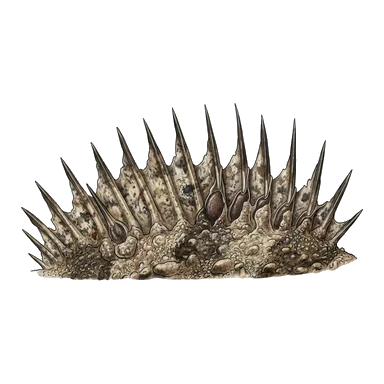 Espiñas pezoñentas
The lesser weever is a small, venomous fish that lies buried in sand on the sea floor, often close to the shore. Its venom is strong, and it is considered one of Europe's most dangerous weever species because it lives near beaches where people swim.1
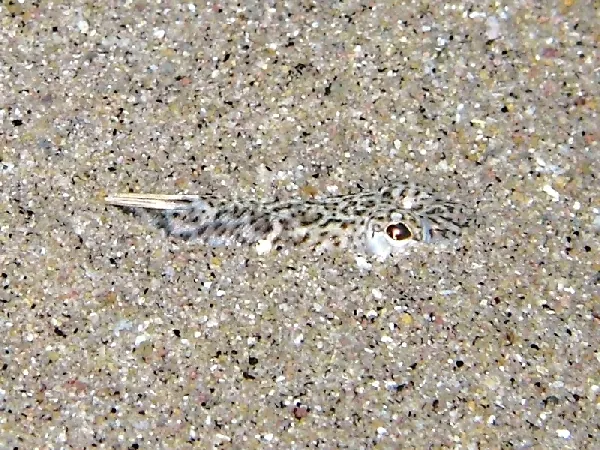
 Como recoñecelo
Poder da pezoña
Ten espiñas afiadas que levan a pezoña. Pisalo ou collelo doe.
Que fai a súa pezoña?
The venom contains trachinine, a cytolysin (a substance that breaks down cells), along with serotonin, histamine-releasing substances and various enzymes. The sting causes acute and intense pain that often spreads to the area around the limb, and it peaks about 30 minutes after the sting. Swelling, redness, numbness, tingling, nausea and vomiting are common, and rare severe effects include abnormal heart rhythms, seizures, decreased blood pressure and unconsciousness.1
Que perigoso é para as persoas?
Perigo para as persoas: GraveSe as súas espiñas se che cravan, vai ao médico. As mortes son moi raras.The lesser weever can sting swimmers badly if they disturb it in the water, and fishermen can be stung when cleaning their nets. Because of its venom and its occurrence near beaches, it is considered one of Europe's most dangerous weever species. Some pain may continue for up to 24 hours.1
Que fai cando ten medo?
It rests buried in the sand with only its eyes and the tip of its first dorsal fin exposed, and it stings when disturbed.1
 Se as súas espiñas se che cravan
- Wash the wound, then immerse it in very hot water for at least an hour to ease the pain and help destroy the protein-based venom. The water should be 40 °C (104 °F) or as hot as the patient can tolerate. Reassure the patient that the sting is relatively harmless.1
- Mete a ferida en auga quente, tan quente como a persoa poida aguantar sen queimarse (próbaa coa túa propia man), durante 30 a 90 minutos. Busca axuda médica, sobre todo no caso dos peixes pedra e das raias con ferrete.
Chama sempre primeiro ao teu número de emerxencias (112, 000, 911). Isto son consellos xerais de primeiros auxilios, non consello médico. Primeiros auxilios básicos
 Mantente a salvo
- Nunca toques, collas nin molestes un animal salvaxe, aínda que sexa pequeno e aínda que pareza durmido ou morto.
- Déixalle espazo. Se atopas un, mantén a calma, recúa amodo e déixao ir polo seu camiño.
- Se as súas espiñas se che cravan: mantén a calma, non te movas, chama ao teu número de emerxencias (112, 000, 911) ou vai rápido a un hospital. Lembra como era, unha foto axuda.
Non vai a por ti. Usa a súa pezoña para cazar comida ou para defenderse, e prefire con moito agocharse. Máis sobre como estar a salvo
En que lugar do mundo?
Que tamaño ten?
Canto mide?
 mide coma 9 pezas de construción de xoguete en fila
 podería nadar o longo dunha piscina grande (50 m) en 43 segundos
Que tamaño ten Lesser weever comparado CONTIGO?
Só son contas no teu navegador. Non se garda nin se envía nada a ningures.
Que rápido é?
Datos
It has the most potent toxin of all the weevers.1
Pain from its sting usually peaks about 30 minutes after the sting.1
Its venom contains trachinine, a cytolysin that breaks down cells.1
Very rarely, sting pain spreads to the lymph nodes in the groin or armpit.1
Its venom glands are on the first dorsal fin and on the gill cover.1
De onde veñen os datos
- Lesser weever (Wikipedia (CC BY-SA 4.0))
- Echiichthys vipera (iNaturalist): nomes e clasificación.
- Venom Wiki: o nivel de perigo, o tamaño típico e a velocidade estimada son nosos. Mira como os calculamos: Como valoramos o perigo.
Cada dato desta páxina ten un número que leva á súa fonte. Se nos equivocamos nalgo, sentímolo, somos fans dos animais, non unha revista científica. Dínolo en [email protected] e arranxarémolo.
 O escorpión ten fame! Venom Wiki é un proxecto dunha soa persoa: gratis, sen anuncios e sen rastrexadores. Unha pequena propina axuda a mantelo en liña.Dálle de comer ao escorpión
Máis do mesmo grupo: Peixes pezoñentos
 Reef stonefishPeixes pezoñentosPode matarNon tocar
 Red lionfishPeixes pezoñentosPrecisa un médicoNon tocar
 Estuarine stonefishPeixes pezoñentosPode matarNon tocar
 Short-tail stingrayPeixes pezoñentosPode matar
 Striped eel catfishPeixes pezoñentosPode matarNon tocar
 Bluespotted ribbontail rayPeixes pezoñentosPrecisa un médico
Tamén vive en: Océano Atlántico
 Hawksbill sea turtleOutros animais velenososPode matar
 Portuguese man o' warMedusas e outros picadores do marPrecisa un médicoNon tocar
 Blue sea dragonCaracois cono e polbosSó doe
 Greenland sharkOutros animais velenososSó doe
 Lion's mane jellyfishMedusas e outros picadores do marSó doeNon tocar
 Common octopusCaracois cono e polbosInofensivo