
 אפריקה
 אסיה
אסיה אירופה
 דרום אמריקה
 אוסטרליה ואוקיאניה
 אנטארקטיקה
 האוקיינוס השקט
 האוקיינוס האטלנטי
 האוקיינוס ההודי
 האוקיינוס הארקטי
 הים התיכון
 הים האדום
 הים הקריבי
 ים האלמוגים
 ים סין הדרומי
 ים הפיליפינים
 ים אנדמן
 הים הצפוני
 ים טימור וים ארפורה
 מפרץ בנגל
 מפרץ קליפורניה
Katipo
 נשיכות
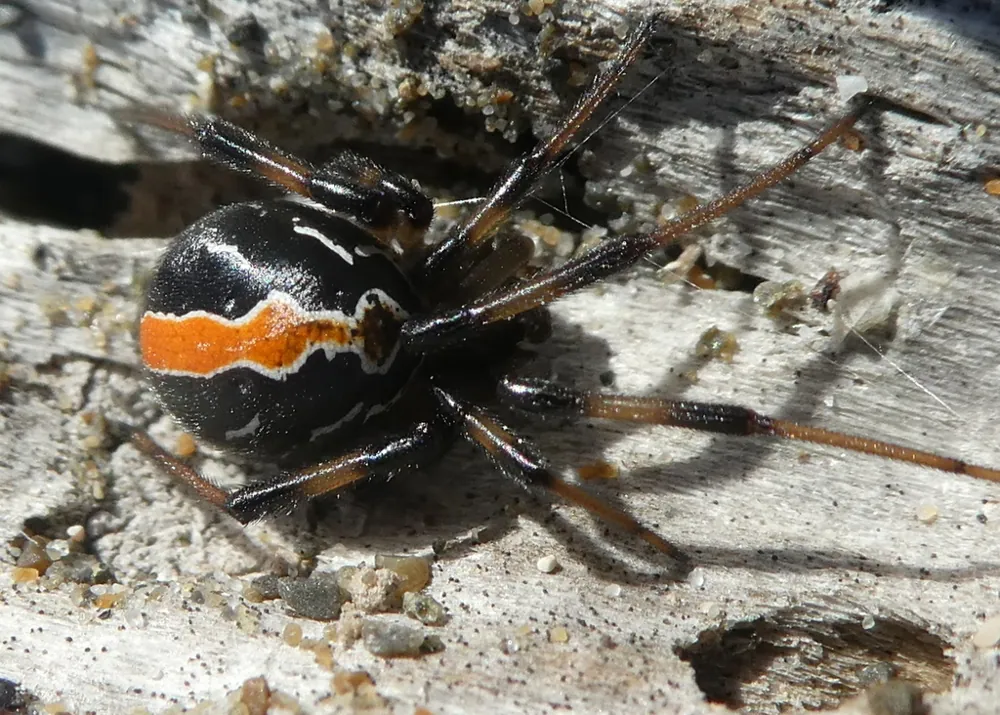
The katipō is a cobweb spider found only in New Zealand, where it lives in coastal sand dunes. It is closely related to the Australian redback spider. Its bite is venomous to people, but bites are rare.1


 איך מזהים אותו
- Adult females have a body length of 8–10 mm (about 0.3–0.4 in).1
- The red katipō, found in the South Island and lower North Island, has a large black, shiny abdomen with a white-bordered orange or red stripe on top, and a red hourglass-shaped marking underneath.1
- The black katipō, found in the upper North Island, has no upper red or orange stripe and is somewhat lighter in colour.1
- Males are 4–5 mm long, white with black stripes and red hourglass-shaped markings.1
מתבלבלים בינו לבין: Steatoda species, which share the same habitat, are very similar and are called "false katipō" in New Zealand. The katipō has a less shiny, more tapered abdomen, and its side eyes are further apart. It is also similar to the redback, but the katipō has only short hair-like spines on its abdomen, while the redback has a mix of long and short ones.1
כוח הארס
הארס יוצא דרך הניבים או השיניים כשהוא נושך.
מה הארס שלו עושה?
The bite can cause latrodectism, a toxic syndrome that affects the nerves and body. Symptoms include extreme pain and, potentially, high blood pressure (hypertension) or seizures.1
כמה הוא מסוכן לבני אדם?
סכנה לבני אדם: רצינינשיכה צריכה טיפול של רופא. מקרי מוות נדירים מאוד.Katipō are venomous to humans, but bites are described as rare. Serious symptoms are possible, including extreme pain, high blood pressure and seizures.1
 חדשות טובות: לרופאים יש תרופה (נסיוב נגד ארס) או טיפול לזה.1
 אם הוא נושך
- תשטוף את הנשיכה ותשים עליה שקית קרח נגד הכאב. תפנה לעזרה רפואית אם הכאב חזק, מתפשט או שהאדם מרגיש לא טוב.
תמיד תתקשר קודם למספר החירום (112, 000, 911). זו הדרכה כללית לעזרה ראשונה, לא ייעוץ רפואי. יסודות העזרה הראשונה
 שמירה על בטיחות
- אף פעם אל תיגע, אל תתפוס ואל תציק לבעל חיים בטבע, גם אם הוא קטן, וגם אם הוא נראה ישן או מת.
- תשאיר לו מרחב. אם אתה פוגש אחד, תישאר רגוע, תיסוג לאט ותן לו ללכת לדרכו.
- אם אחד מהם נושך אותך: תישאר רגוע, אל תזוז, תתקשר למספר החירום (112, 000, 911) או תגיע מהר לבית חולים. תזכור איך הוא נראה, תמונה עוזרת.
הוא לא מחפש אותך. הוא משתמש בארס כדי לצוד אוכל או כדי להגן על עצמו, והוא הרבה יותר מעדיף להתחבא. עוד על שמירה על בטיחות
כמה הוא גדול?
כמה הוא ארוך?
 קטן מספיק כדי לשבת על הציפורן שלך
כמה Katipo גדול לעומתך?
רק חישובים בדפדפן שלך. שום דבר לא נשמר ושום דבר לא נשלח.
כמה הוא מהיר?


עובדות
In one 24-hour study of young spiders, 28% left the web by ballooning, carried by air currents.1
Katipō is one of the few Māori words that refers to a specific species of spider.1
The female does not usually eat the male after mating, unlike some other widow spiders.1
Females cover their egg sacs with silk and sand, which partly hides them in the web.1
The katipō is found only in New Zealand.1
מנפץ מיתוסים
מיתוס: The katipō is just a form of the redback spider.
האמת: The katipō is genetically and physically distinct from the redback, even though the two are closely related. It was once thought to be a subspecies of the redback.1
למומחי ארס
- שם מדעי
- Latrodectus katipo
- קבוצה
- עכבישים
- משפחה
- Theridiidae2
- סדרה
- Araneae
- יבשות
- אוסטרליה ואוקיאניה
- תינוקות
- The female lays five or six egg sacs in November or December, with about 70 to 90 eggs in each. The young hatch after 20–25 days and leave the egg sac in January and February.1
- מצבו בטבע
- In serious decline (New Zealand Threat Classification System)1
- סכנה לבני אדם
- 3 / 5: רציני3
מאיפה מגיעות העובדות
- Katipō (Wikipedia (CC BY-SA 4.0))
- Latrodectus katipo (iNaturalist): שמות וסיווג.
- Venom Wiki: רמת הסכנה, הגודל האופייני וניחוש המהירות הם שלנו. תראה איך אנחנו מחשבים אותם: איך אנחנו מדרגים סכנה.
לכל עובדה בעמוד הזה יש מספר שמפנה למקור שלה. אם טעינו במשהו, סליחה, אנחנו חובבי חיות, לא כתב עת מדעי. תכתוב לנו ל-[email protected] ונתקן.
 העקרב רעב! Venom Wiki הוא פרויקט של אדם אחד: חינמי, בלי פרסומות ובלי מעקב. טיפ קטן עוזר להשאיר אותו באוויר.להאכיל את העקרב
 Redback spider
 White-tailed spider
 Peacock spider
 Badge huntsman spider
 Black house spider
 Eastern white-tailed spider
 Coastal taipan
 Common death adder
 Eastern brown snake
 Inland taipan
 Sydney funnel-web spider
 Tiger snake