
 Afrika
 Azija
Azija Europa
 Južna Amerika
 Australija i Oceanija
 Antarktika
 Tihi ocean
 Atlantski ocean
 Indijski ocean
 Arktički ocean
 Sredozemno more
 Crveno more
 Karipsko more
 Koraljno more
 Južnokinesko more
 Filipinsko more
 Andamansko more
 Sjeverno more
 Timorsko i Arafursko more
 Bengalski zaljev
 Kalifornijski zaljev
Katipo
 Ugrizi
The katipō is a cobweb spider found only in New Zealand, where it lives in coastal sand dunes. It is closely related to the Australian redback spider. Its bite is venomous to people, but bites are rare.1
 Kako ga prepoznati
- Adult females have a body length of 8–10 mm (about 0.3–0.4 in).1
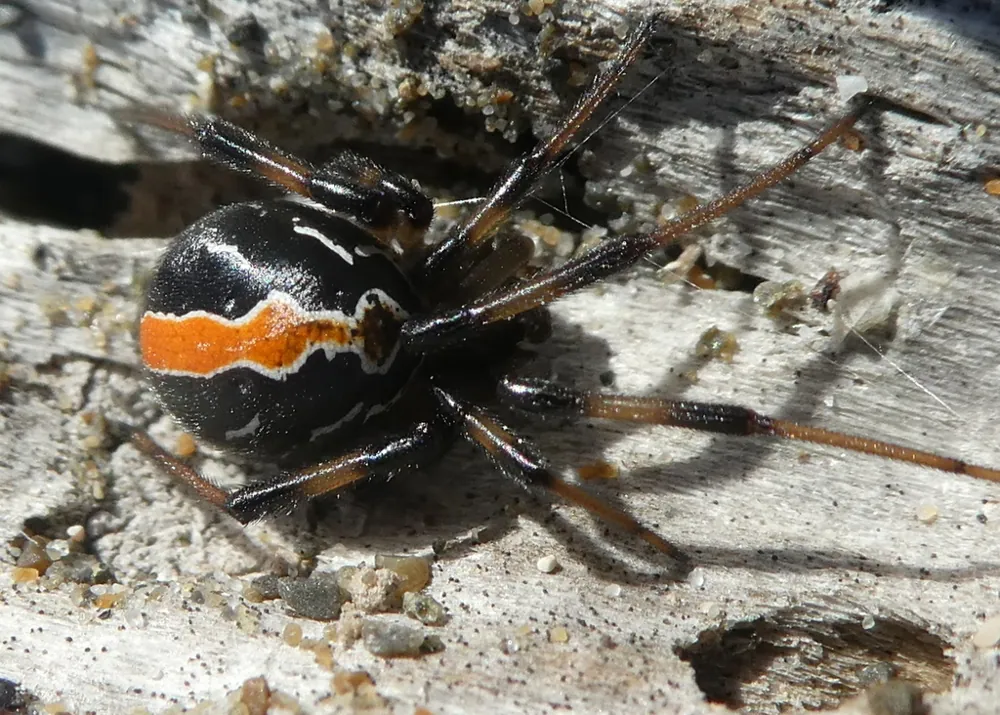
- The red katipō, found in the South Island and lower North Island, has a large black, shiny abdomen with a white-bordered orange or red stripe on top, and a red hourglass-shaped marking underneath.1
- The black katipō, found in the upper North Island, has no upper red or orange stripe and is somewhat lighter in colour.1
- Males are 4–5 mm long, white with black stripes and red hourglass-shaped markings.1
Često se miješa s: Steatoda species, which share the same habitat, are very similar and are called "false katipō" in New Zealand. The katipō has a less shiny, more tapered abdomen, and its side eyes are further apart. It is also similar to the redback, but the katipō has only short hair-like spines on its abdomen, while the redback has a mix of long and short ones.1
Otrovna snaga
Otrov izlazi kroz očnjake ili zube kad ugrize.
Što radi njegov otrov kad ugrize ili ubode?
The bite can cause latrodectism, a toxic syndrome that affects the nerves and body. Symptoms include extreme pain and, potentially, high blood pressure (hypertension) or seizures.1
Koliko je opasno za ljude?
Opasnost za ljude: OzbiljnoUgriz treba pokazati liječniku. Smrtni slučajevi su vrlo rijetki.Katipō are venomous to humans, but bites are described as rare. Serious symptoms are possible, including extreme pain, high blood pressure and seizures.1
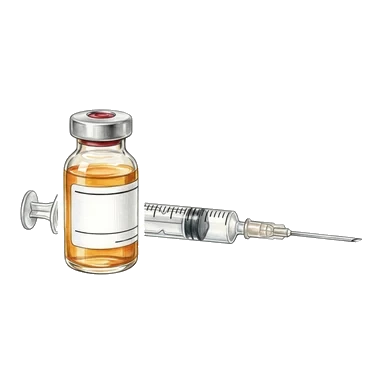 Dobre vijesti: liječnici za ovo imaju lijek (protuotrov) ili liječenje.1
 Ako ugrize
- Operi ugriz i stavi na njega vrećicu leda protiv boli. Potraži liječničku pomoć ako je bol jaka, širi se ili se osoba osjeća loše.
Uvijek prvo nazovi broj za hitne slučajeve (112, 000, 911). Ovo su opće upute za prvu pomoć, a ne liječnički savjet. Osnove prve pomoći
 Ostani na sigurnom
- Nikad ne diraj, ne hvataj i ne zadirkuj divlju životinju, čak ni malu, i čak ni ako izgleda kao da spava ili je mrtva.
- Ostavi joj prostora. Ako je sretneš, ne paniči, polako se odmakni i pusti je da ode svojim putem.
- Ako te neka ugrize: ne paniči, miruj, nazovi broj za hitne slučajeve (112, 000, 911) ili brzo idi u bolnicu. Zapamti kako je izgledala, fotografija pomaže.
Ne želi ti ništa loše. Otrov koristi za lov hrane ili za obranu i mnogo bi se radije sakrilo. Više o sigurnosti
Koliko je veliko?
Koliko je dugo?
 dovoljno malo da stane na tvoj nokat
Koliko je Katipo velika životinja u usporedbi s TOBOM?
Samo matematika u tvom pregledniku. Ništa se ne sprema niti šalje nikamo.
Koliko je brzo?


Činjenice
In one 24-hour study of young spiders, 28% left the web by ballooning, carried by air currents.1
Katipō is one of the few Māori words that refers to a specific species of spider.1
The female does not usually eat the male after mating, unlike some other widow spiders.1
Females cover their egg sacs with silk and sand, which partly hides them in the web.1
The katipō is found only in New Zealand.1
Razbijač mitova
Mit: The katipō is just a form of the redback spider.
Istina: The katipō is genetically and physically distinct from the redback, even though the two are closely related. It was once thought to be a subspecies of the redback.1
Za stručnjake za otrove
- Znanstveni naziv
- Latrodectus katipo
- Skupina
- Pauci
- Obitelj
- Theridiidae2
- Redoslijed
- Araneae
- Kontinenti
- Australija i Oceanija
- Mladunci
- The female lays five or six egg sacs in November or December, with about 70 to 90 eggs in each. The young hatch after 20–25 days and leave the egg sac in January and February.1
- Kako mu ide u divljini
- In serious decline (New Zealand Threat Classification System)1
- Opasnost za ljude
- 3 / 5: Ozbiljno3
Odakle su činjenice
- Katipō (Wikipedia (CC BY-SA 4.0))
- Latrodectus katipo (iNaturalist): imena i klasifikacija.
- Venom Wiki: razina opasnosti, tipična veličina i procijenjena brzina naše su. Pogledaj kako ih izračunavamo: Kako ocjenjujemo opasnost.
Svaka činjenica na ovoj stranici ima broj koji upućuje na njezin izvor. Ako smo nešto pogriješili, oprosti, mi smo ljubitelji životinja, a ne znanstveni časopis. Javi nam na [email protected] i ispravit ćemo to.
 Škorpion je gladan! Venom Wiki je projekt jednog čovjeka: besplatan, bez oglasa i bez praćenja. Mala napojnica pomaže da ostane na internetu.Nahrani škorpiona
 Redback spider
 White-tailed spider
 Peacock spider
 Badge huntsman spider
 Black house spider
 Eastern white-tailed spider
 Coastal taipan
 Common death adder
 Eastern brown snake
 Kopneni taipan
 Sydney funnel-web spider
 Tigrasta zmija