
 Afrika
 Ázsia
Ázsia Európa
 Dél-Amerika
 Ausztrália és Óceánia
 Antarktisz
 Csendes-óceán
 Atlanti-óceán
 Indiai-óceán
 Északi-sarki-óceán
 Földközi-tenger
 Vörös-tenger
 Karib-tenger
 Korall-tenger
 Dél-kínai-tenger
 Fülöp-tenger
 Andamán-tenger
 Északi-tenger
 Timor-tenger és Arafura-tenger
 Bengáli-öböl
 Kaliforniai-öböl
Buff-tailed bumblebee
 Csípések
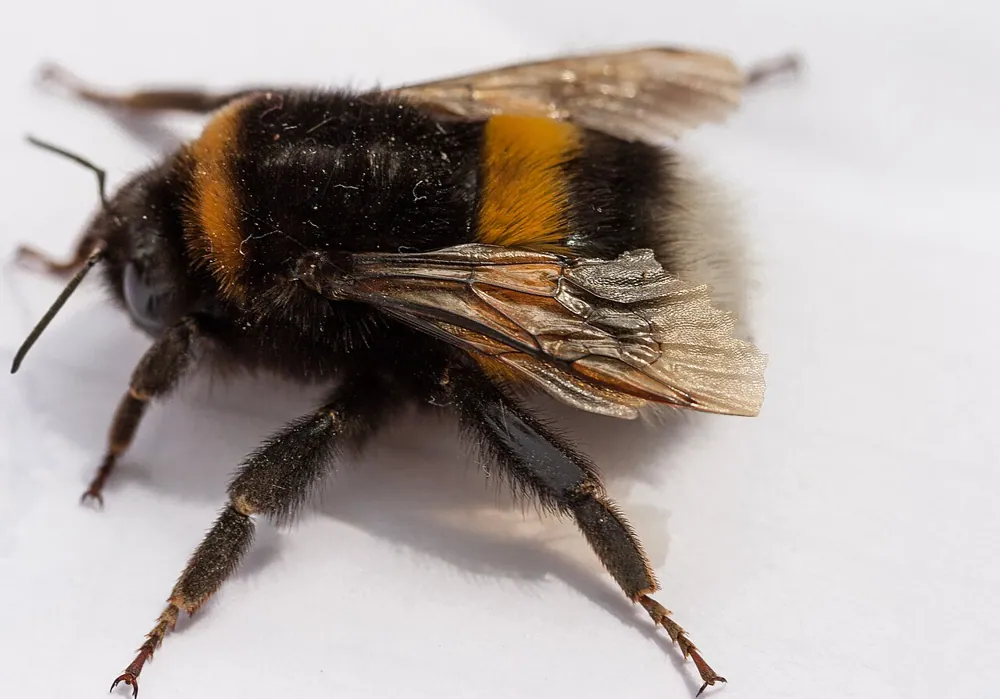
The buff-tailed bumblebee is a fuzzy, striped bee and one of the most common bumblebees in Europe. It lives in colonies and is one of the main bees used to pollinate greenhouse crops. It can also be found in many places outside its home range, where it has spread after escaping from greenhouses.1


 Hogyan ismerd fel
- Workers have white-ended abdomens.1
- The queen has a buff-white abdomen tip, which gives the bee its name.1
- Yellowish bands that are darker than those of the white-tailed bumblebee when the two are compared side by side.1
- Queens are 20 to 22 mm long, males 14 to 16 mm and workers 11 to 17 mm.1
Gyakran összetévesztik ezzel: The white-tailed bumblebee (Bombus lucorum), a close relative, looks almost identical. When the two are compared side by side, the yellowish bands of the buff-tailed bumblebee look darker.1
Méregerő
A méreg egy fullánkon keresztül jut ki.
Mennyire veszélyes az emberre?
Veszély az emberre: EnyheOlyan, mint egy méhcsípés, vagy enyhébb. Az emberre gyakorlatilag ártalmatlan.Mit csinál, ha megijed?
Workers defend the colony.1
 Ha csíp
- Kapard ki a méhfullánkot, és hűtsd le a helyét.
- Ha a sérült nehezen lélegzik, bedagad az arca vagy a torka, vagy ájulás környékezi, az allergiás vészhelyzet: hívd a segélyhívó számot, és használd az adrenalin autoinjektorát, ha van neki.
Mindig először a segélyhívó számot hívd (112, 000, 911). Ez általános elsősegély-tájékoztató, nem orvosi tanács. Elsősegély alapjai
 Maradj biztonságban
- Soha ne érints meg, ne fogj meg és ne bosszants vadállatot, még ha kicsi is, és még ha alszik vagy döglöttnek tűnik is.
- Hagyj neki helyet. Ha találkozol eggyel, maradj nyugodt, lassan lépj hátra, és hagyd, hogy menjen a maga útján.
- Ha megcsíp: maradj nyugodt, ne mozogj, hívd a segélyhívó számot (112, 000, 911), vagy juss el gyorsan kórházba. Jegyezd meg, hogyan nézett ki, egy fotó sokat segít.
Nem akar elkapni téged. A mérgét arra használja, hogy élelmet fogjon vagy megvédje magát, és sokkal szívesebben elbújik. Még több a biztonságról
Hol él a világban?
Mekkora?
Milyen hosszú?
Milyen nehéz?
 nagyjából olyan hosszú, mint egy gemkapocs
 olyan könnyű, hogy meg sem éreznéd a kezeden
 14 másodperc alatt repülne át egy egész focipályán
Mekkora Buff-tailed bumblebee hozzád képest?
Csak matek a böngésződben. Semmit nem mentünk és nem küldünk el sehova.
Milyen gyors?


Tények
Worker bees vary unusually widely in size, with thorax lengths from 2.3 to 6.9 mm. This is unusual among bees.1
It has escaped from captivity and is now considered an invasive species in places such as Japan, Chile, Argentina and Tasmania.1
It is one of the main species used for greenhouse pollination, which is why it is found in many countries where it is not native.1
The queen usually mates with only one male, unlike many social insects.1
The colony works as a team. It has three social castes, with the queen laying eggs, workers foraging and defending the nest, and males leaving to find mates.1
Méregszakértőknek
Honnan származnak a tények
- Bombus terrestris (Wikipedia (CC BY-SA 4.0))
- Bombus terrestris (iNaturalist): nevek és rendszertan.
- Venom Wiki: a veszélyszint, a tipikus méret és a sebességbecslés a saját értékelésünk. Nézd meg, hogyan számoljuk ki: Hogyan értékeljük a veszélyt.
Ezen az oldalon minden tény mellett van egy szám, amely a forrására mutat. Ha valamit elrontottunk, bocsi, mi állatrajongók vagyunk, nem tudományos folyóirat. Írj nekünk ide: [email protected], és kijavítjuk.
 A skorpió éhes! A Venom Wiki egyszemélyes projekt: ingyenes, reklámok és nyomkövetés nélkül. Egy kis borravaló segít, hogy online maradjon.Etesd meg a skorpiót
Még több ugyanebből a csoportból: Méhek, darazsak és lódarazsak
 Asian giant hornetMéhek, darazsak és lódarazsakÖlni is tud
 Common waspMéhek, darazsak és lódarazsakCsak fáj
 European hornetMéhek, darazsak és lódarazsakCsak fáj
 Western honey beeMéhek, darazsak és lódarazsakCsak fáj
 Giant honey beeMéhek, darazsak és lódarazsakOrvos kell
 Asian hornetMéhek, darazsak és lódarazsakCsak fáj
Itt is él:: Európa
 Common European adderViperák és keresztes viperákOrvos kell
 Spanish flyMás mérgező állatokOrvos kellNe nyúlj hozzá
 Fire salamanderNyílméregbékák, varangyok és gőtékCsak fájNe nyúlj hozzá
 Blunt-nosed viperViperák és keresztes viperákÖlni is tud
 Nose-horned viperViperák és keresztes viperákÖlni is tud
 Ottoman viperViperák és keresztes viperákÖlni is tud