
 Afrika
 Ázsia
Ázsia Európa
 Dél-Amerika
 Ausztrália és Óceánia
 Antarktisz
 Csendes-óceán
 Atlanti-óceán
 Indiai-óceán
 Északi-sarki-óceán
 Földközi-tenger
 Vörös-tenger
 Karib-tenger
 Korall-tenger
 Dél-kínai-tenger
 Fülöp-tenger
 Andamán-tenger
 Északi-tenger
 Timor-tenger és Arafura-tenger
 Bengáli-öböl
 Kaliforniai-öböl
Common krait
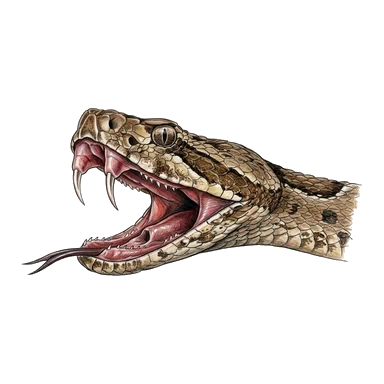 Harapások
The common krait is a highly venomous snake that lives across South Asia. It is shiny black or bluish-black with thin white crossbands. It causes more medically significant snakebites in the Indian subcontinent than any other snake, so knowing what it looks like matters.1
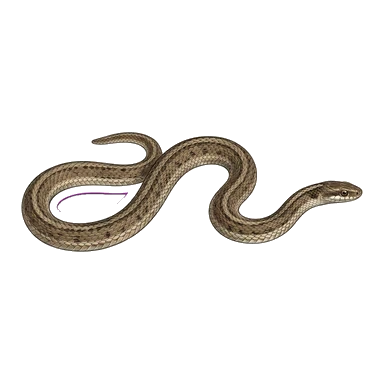
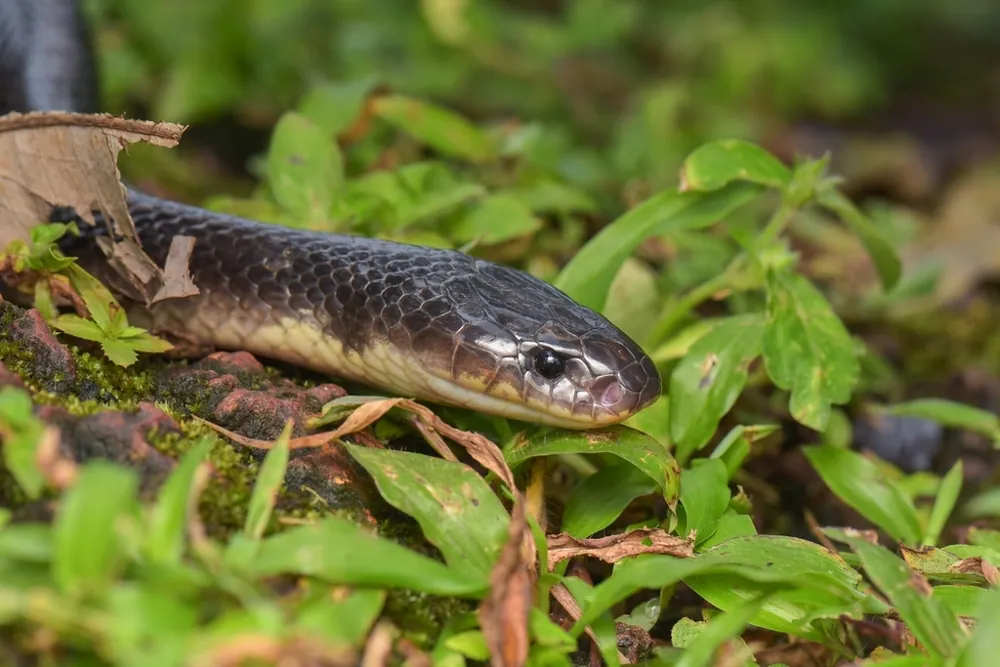
 Hogyan ismerd fel
- Body is generally black or bluish-black.1
- About 40 thin, white crossbars run along the body. They may be faint or missing near the head in adults.1
- Young snakes have clear, well-defined crossbands, even near the head.1
- Older snakes may show the white lines as a series of connected spots.1
- The head is flat, the neck is hardly visible, and the tail is short and rounded.1
Méregerő
Harapáskor a méreg a méregfogain vagy a fogain keresztül jut ki.
Mit tesz a mérge?
Its venom is neurotoxic, meaning it attacks the nerves. It blocks signals between nerves and muscles, which leads to progressive paralysis. Victims often have severe abdominal cramps and shortness of breath. Death from respiratory failure, meaning the breathing muscles stop working, may follow in about 4 to 8 hours if untreated.1
Mennyire veszélyes az emberre?
Veszély az emberre: HalálosA világ egyik legveszélyesebb állata.It is responsible for the majority of medically significant snakebites in the Indian subcontinent. A clinical toxicology study reports an untreated mortality rate of 70 to 80 per cent. Bites often happen at night, when people are sleeping on the ground. The bite may cause little or no pain, which can delay treatment.1
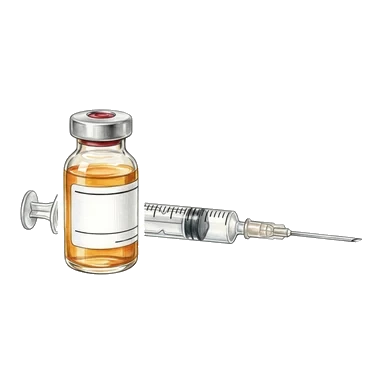 Jó hír: az orvosoknak van rá gyógyszerük (ellenméreg) vagy kezelésük.1
Mit csinál, ha megijed?
When threatened, it coils tightly with its head tucked underneath, may flatten its body, or makes sudden movements as a warning. It rarely bites unless provoked, but it can be more aggressive at night if disturbed.1
 Ha harap
- The main treatment is antivenom given in hospital. It should be given promptly, because it becomes less effective once paralysis has set in. Get medical help straight away after any suspected bite, even if there is little pain or swelling.1
- Tartsd a sérültet mozdulatlanul és nyugodtan, vedd le a gyűrűket és a szoros dolgokat, és gyorsan juss el kórházba: a kezelés az ellenméreg.
Mindig először a segélyhívó számot hívd (112, 000, 911). Ez általános elsősegély-tájékoztató, nem orvosi tanács. Elsősegély alapjai
 Maradj biztonságban
- Soha ne érints meg, ne fogj meg és ne bosszants vadállatot, még ha kicsi is, és még ha alszik vagy döglöttnek tűnik is.
- Hagyj neki helyet. Ha találkozol eggyel, maradj nyugodt, lassan lépj hátra, és hagyd, hogy menjen a maga útján.
- Ha megharap: maradj nyugodt, ne mozogj, hívd a segélyhívó számot (112, 000, 911), vagy juss el gyorsan kórházba. Jegyezd meg, hogyan nézett ki, egy fotó sokat segít.
Nem akar elkapni téged. A mérgét arra használja, hogy élelmet fogjon vagy megvédje magát, és sokkal szívesebben elbújik. Még több a biztonságról
Hol él a világban?
Mekkora?
Milyen hosszú?
 olyan hosszú, mint 4 házimacska orrtól farokig
 olyan hosszú, mint 10 banán egymás után
 52 másodperc alatt futná le a 100 métert (a leggyorsabb embernek 9,6 kell)
Mekkora Common krait hozzád képest?
Csak matek a böngésződben. Semmit nem mentünk és nem küldünk el sehova.
Milyen gyors?


Tények
A bite from this snake often causes little or no pain and almost no swelling or bleeding, which can make it hard to find the bite mark.1
Its venom is one of the most potent of any Indian snake, and the estimated lethal dose for a human is 2 to 3 mg.1
Its venom contains no clotting or tissue-destroying agents, which is why there is no local damage at the bite site.1
Neostigmine, a drug that works against cobra venom, does not work against common krait venom.1
It is mostly active at night and rarely meets people during the day.1
Its stable population has been helped by its ability to adapt to farmland and villages.1
Tévhitromboló
Tévhit: A bite that does not hurt is harmless.
Az igazság: The bite often causes little pain, but severe paralysis and breathing failure can follow. The lack of pain can give false reassurance.1
Méregszakértőknek
- Tudományos név
- Bungarus caeruleus
- Csoport
- Kobrák, mambák és kraitok
- Család
- Elapidae2
- Rend
- Squamata
- Kontinensek
- Ázsia
- Kicsinyek
- It lays 5 to 15 eggs in leaf litter or burrows. The female guards the eggs until they hatch after about 60 days. Hatchlings are fully independent and already carry venom.1
- Veszély az emberre
- 5 / 5: Halálos3
Honnan származnak a tények
- Common krait (Wikipedia (CC BY-SA 4.0))
- Bungarus caeruleus (iNaturalist): nevek és rendszertan.
- Venom Wiki: a veszélyszint, a tipikus méret és a sebességbecslés a saját értékelésünk. Nézd meg, hogyan számoljuk ki: Hogyan értékeljük a veszélyt.
Ezen az oldalon minden tény mellett van egy szám, amely a forrására mutat. Ha valamit elrontottunk, bocsi, mi állatrajongók vagyunk, nem tudományos folyóirat. Írj nekünk ide: [email protected], és kijavítjuk.
 A skorpió éhes! A Venom Wiki egyszemélyes projekt: ingyenes, reklámok és nyomkövetés nélkül. Egy kis borravaló segít, hogy online maradjon.Etesd meg a skorpiót
 Indian cobra
 King cobra
 Caspian cobra
 Malayan krait
 Many-banded krait
 Monocled cobra
 Deathstalker
 Indian saw-scaled viper
 Puff adder
 Láncos vipera
 Asian giant hornet
 Komodo dragon