
 Afrika
 Ázsia
Ázsia Európa
 Dél-Amerika
 Ausztrália és Óceánia
 Antarktisz
 Csendes-óceán
 Atlanti-óceán
 Indiai-óceán
 Északi-sarki-óceán
 Földközi-tenger
 Vörös-tenger
 Karib-tenger
 Korall-tenger
 Dél-kínai-tenger
 Fülöp-tenger
 Andamán-tenger
 Északi-tenger
 Timor-tenger és Arafura-tenger
 Bengáli-öböl
 Kaliforniai-öböl
Dugite
 Harapások
The dugite is a highly venomous snake found in southern Western Australia and in remote coastal parts of western South Australia. Its venom is potentially one of the most lethal in the world, so it is a snake to treat with great respect. It is common in and around Perth, where it often shelters near buildings.1
 Hogyan ismerd fel
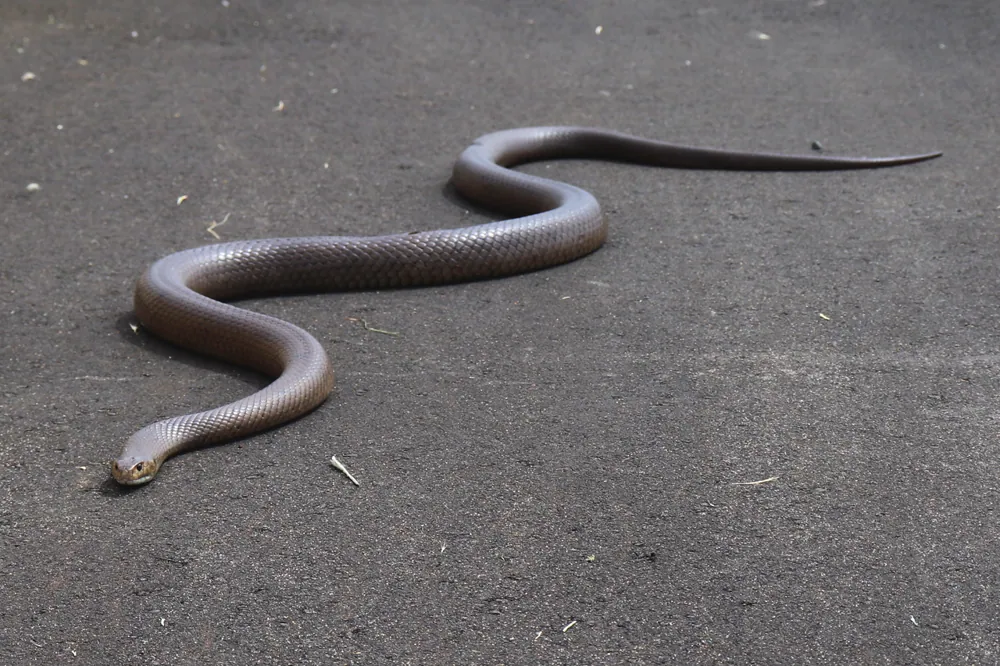
- Coloured grey, green or brown, but the colours vary widely between individuals, so colour alone is not a reliable guide.1
- Black scales may be scattered over the body.1
- Relatively large scales with a semi-glossy look.1
- The head is rather small and not clearly separate from the neck.1
- Long and slender body, typically about 1.5 metres in total length.1
Méregerő
Harapáskor a méreg a méregfogain vagy a fogain keresztül jut ki.
Mit tesz a mérge?
The venom has coagulopathic and procoagulant effects, meaning it disturbs the way blood clots. It is potentially one of the most lethal venoms in the world. In a 2011 case, a boy bitten by a dugite was temporarily paralysed, showing that the venom can affect the nerves and muscles as well as the blood.1
Mennyire veszélyes az emberre?
Veszély az emberre: Nagyon veszélyesHa valaki nem kap kezelést, megölheti.Dugites are potentially lethal. They generally avoid biting people, but the risk of encounters rises during the mating season in October and November. The last recorded human death attributed to a dugite was in August 2015 in South Fremantle. In 2011 a seven-year-old boy was bitten and temporarily paralysed, and he made a full recovery.1
 Jó hír: az orvosoknak van rá gyógyszerük (ellenméreg) vagy kezelésük.1
Mit csinál, ha megijed?
When disturbed they are very shy and often slither away, but they will defend themselves if cornered.1
 Ha harap
- Prompt medical attention is essential after a bite. In a December 2020 case, a three-year-old girl bitten by a snake believed to be a dugite was quickly immobilised by her grandmother, who wrapped her legs in pressure bandages. She was treated with antivenom in hospital and made a full recovery.1
- Nyomókötéses rögzítés: tekerj szoros rugalmas pólyát a harapásra, majd felfelé az egész végtagra, rögzítsd sínnel, és tartsd a sérültet teljesen mozdulatlanul, amíg a segítség meg nem érkezik.
- Ne mosd le a harapás helyét: a kórházban megvizsgálhatják a bőrön maradt mérget, hogy kiválasszák a megfelelő ellenmérget.
Mindig először a segélyhívó számot hívd (112, 000, 911). Ez általános elsősegély-tájékoztató, nem orvosi tanács. Elsősegély alapjai
 Maradj biztonságban
- Soha ne érints meg, ne fogj meg és ne bosszants vadállatot, még ha kicsi is, és még ha alszik vagy döglöttnek tűnik is.
- Hagyj neki helyet. Ha találkozol eggyel, maradj nyugodt, lassan lépj hátra, és hagyd, hogy menjen a maga útján.
- Ha megharap: maradj nyugodt, ne mozogj, hívd a segélyhívó számot (112, 000, 911), vagy juss el gyorsan kórházba. Jegyezd meg, hogyan nézett ki, egy fotó sokat segít.
Nem akar elkapni téged. A mérgét arra használja, hogy élelmet fogjon vagy megvédje magát, és sokkal szívesebben elbújik. Még több a biztonságról
Hol él a világban?
Mekkora?
Milyen hosszú?
 olyan hosszú, mint 4 házimacska orrtól farokig
 olyan hosszú, mint 11 banán egymás után
 46 másodperc alatt futná le a 100 métert (a leggyorsabb embernek 9,6 kell)
Mekkora Dugite hozzád képest?
Csak matek a böngésződben. Semmit nem mentünk és nem küldünk el sehova.
Milyen gyors?


Tények
Its venom is potentially one of the most lethal in the world.1
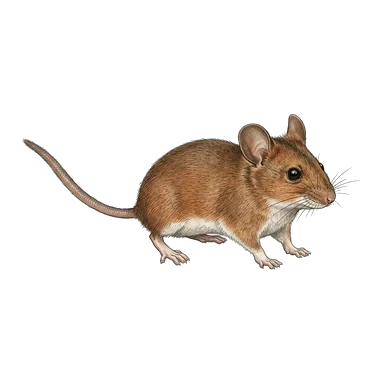
Dugites have become more common because of the house mouse, which is one of their main foods.1
Dugites can lay two clutches of eggs in the same season when conditions are good.1
The Irish activist John Boyle O'Reilly wrote a poem called The Dukite Snake, published in his 1878 collection Songs, Legends and Ballads, based on a bushman's myth.1
In winter, dugites burrow.1
Tévhitromboló
Tévhit: Dugites are aggressive and will chase people.
Az igazság: Dugites are very shy and usually slither away when disturbed. They generally avoid biting people, but they will defend themselves if cornered.1
Méregszakértőknek
- Tudományos név
- Pseudonaja affinis
- Csoport
- Ausztrál kígyók
- Család
- Elapidae2
- Rend
- Squamata
- Kontinensek
- Ausztrália és Óceánia
- Kicsinyek
- Dugites lay eggs, typically around 30 at a time, and leave them to hatch on their own after about 65 days. Under good conditions, they can lay two clutches in one season.1
- Veszély az emberre
- 4 / 5: Nagyon veszélyes3
Honnan származnak a tények
- Dugite (Wikipedia (CC BY-SA 4.0))
- Pseudonaja affinis (iNaturalist): nevek és rendszertan.
- Venom Wiki: a veszélyszint, a tipikus méret és a sebességbecslés a saját értékelésünk. Nézd meg, hogyan számoljuk ki: Hogyan értékeljük a veszélyt.
Ezen az oldalon minden tény mellett van egy szám, amely a forrására mutat. Ha valamit elrontottunk, bocsi, mi állatrajongók vagyunk, nem tudományos folyóirat. Írj nekünk ide: [email protected], és kijavítjuk.
 A skorpió éhes! A Venom Wiki egyszemélyes projekt: ingyenes, reklámok és nyomkövetés nélkül. Egy kis borravaló segít, hogy online maradjon.Etesd meg a skorpiót
Még több ugyanebből a csoportból: Ausztrál kígyók
 Coastal taipan
 Common death adder
 Eastern brown snake
 Belföldi tajpán
 Tigriskígyó
 Collett's snake
.png)
Itt is él:: Ausztrália és Óceánia
 Sydney funnel-web spiderMadárpókok és tölcsérhálós pókokHalálos
 Redback spiderPókokOrvos kell
 Brown tree snakeHátsó méregfogú kígyókCsak fáj
 Hooded pitohuiMás mérgező állatokCsak fájNe nyúlj hozzá
 PlatypusMérges emlősökCsak fáj
 Northern tree-dwelling funnel-web spiderMadárpókok és tölcsérhálós pókokHalálos