
 Afrika
 Ázsia
Ázsia Európa
 Dél-Amerika
 Ausztrália és Óceánia
 Antarktisz
 Csendes-óceán
 Atlanti-óceán
 Indiai-óceán
 Északi-sarki-óceán
 Földközi-tenger
 Vörös-tenger
 Karib-tenger
 Korall-tenger
 Dél-kínai-tenger
 Fülöp-tenger
 Andamán-tenger
 Északi-tenger
 Timor-tenger és Arafura-tenger
 Bengáli-öböl
 Kaliforniai-öböl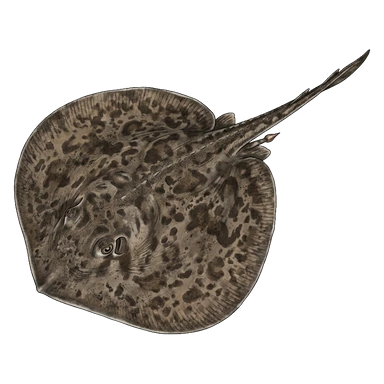
Giant freshwater stingray
 Csípések
The giant freshwater stingray is a large ray that lives in big rivers and estuaries in Southeast Asia and Borneo. It is the widest freshwater fish in the world, and it is now endangered because of fishing and habitat loss. It has a long, whip-like tail with a sharp spine near the base.1



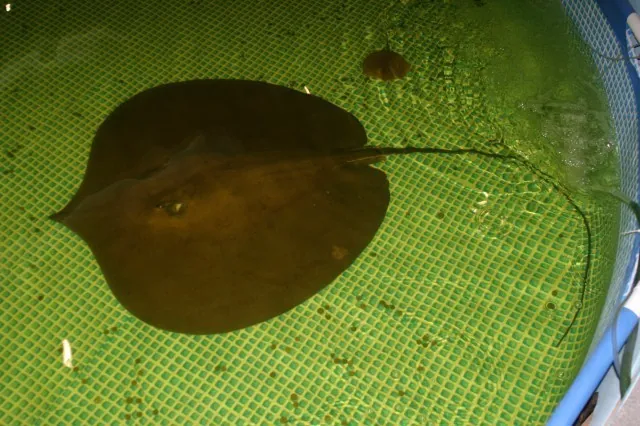
 Hogyan ismerd fel
- Plain grayish brown on top, often with a yellowish or pinkish tint towards the fin edges1
- White underside with broad dark bands on the rear edges of the pectoral and pelvic fins1
- Thin, whip-like tail that is black behind the spine and has no fin folds1
- Sharply pointed snout that projects beyond the disc1
- A single serrated stinging spine on the upper tail near its base, up to 38 cm long1
Gyakran összetévesztik ezzel: Similar freshwater stingrays in South Asia, Southeast Asia and Australasia were once tentatively grouped with this species. Some of them, such as the Australian Urogymnus dalyensis, are now described as separate species.1
Méregerő
A méreg egy fullánkon keresztül jut ki.
Mit tesz a mérge?
Its sting is sheathed in toxic mucus. The sting is capable of piercing bone.1
Mennyire veszélyes az emberre?
Veszély az emberre: SúlyosA csípéssel orvoshoz kell menni. Haláleset nagyon ritka.The giant freshwater stingray is not aggressive. Its sting is strong enough to pierce bone and is coated in toxic mucus, so it should be treated with care.1
 Ha csíp
- Tedd a sebet forró vízbe, olyan forróba, amilyet a sérült égési sérülés nélkül kibír (próbáld ki a saját kezeddel), 30-90 percig. Kérj orvosi segítséget, főleg kőhalnál és tüskésrájánál.
Mindig először a segélyhívó számot hívd (112, 000, 911). Ez általános elsősegély-tájékoztató, nem orvosi tanács. Elsősegély alapjai
 Maradj biztonságban
- Soha ne érints meg, ne fogj meg és ne bosszants vadállatot, még ha kicsi is, és még ha alszik vagy döglöttnek tűnik is.
- Hagyj neki helyet. Ha találkozol eggyel, maradj nyugodt, lassan lépj hátra, és hagyd, hogy menjen a maga útján.
- Ha megcsíp: maradj nyugodt, ne mozogj, hívd a segélyhívó számot (112, 000, 911), vagy juss el gyorsan kórházba. Jegyezd meg, hogyan nézett ki, egy fotó sokat segít.
Nem akar elkapni téged. A mérgét arra használja, hogy élelmet fogjon vagy megvédje magát, és sokkal szívesebben elbújik. Még több a biztonságról
Hol él a világban?
Mekkora?
Milyen hosszú?
Milyen nehéz?
 olyan hosszú, mint 5 kutya orrtól farokig
 olyan hosszú, mint 28 banán egymás után
 6 másodperc alatt úszná át egy nagy uszoda hosszát (50 m)
Mekkora Giant freshwater stingray hozzád képest?
Csak matek a böngésződben. Semmit nem mentünk és nem küldünk el sehova.
Milyen gyors?

Tények
In June 2022, a specimen caught in the Mekong River was reported as the largest strict freshwater fish ever documented, at about 300 kg.1
It is the widest freshwater fish in the world, growing up to 2.2 m across.1
Its tail spine is up to 38 cm long, the largest of any stingray species.1
Pups are nourished in the womb by a milk-like substance called histotroph, or 'uterine milk', made by the mother.1
In Cambodia, the average weight of a landed ray fell from 23.2 kg in 1980 to 6.9 kg in 2006.1
Méregszakértőknek
- Tudományos név
- Urogymnus polylepis
- Csoport
- Mérges halak
- Család
- Dasyatidae2
- Rend
- Myliobatiformes
- Kontinensek
- Ázsia
- Kicsinyek
- It gives birth to live young. Females have litters of one to four pups, each about 30 cm across at birth.1
- Hogy áll a vadonban
- Endangered (IUCN overall); Critically Endangered in Thailand1
- Veszély az emberre
- 3 / 5: Súlyos3
Honnan származnak a tények
- Giant freshwater stingray (Wikipedia (CC BY-SA 4.0))
- Urogymnus polylepis (iNaturalist): nevek és rendszertan.
- Venom Wiki: a veszélyszint, a tipikus méret és a sebességbecslés a saját értékelésünk. Nézd meg, hogyan számoljuk ki: Hogyan értékeljük a veszélyt.
Ezen az oldalon minden tény mellett van egy szám, amely a forrására mutat. Ha valamit elrontottunk, bocsi, mi állatrajongók vagyunk, nem tudományos folyóirat. Írj nekünk ide: [email protected], és kijavítjuk.
 A skorpió éhes! A Venom Wiki egyszemélyes projekt: ingyenes, reklámok és nyomkövetés nélkül. Egy kis borravaló segít, hogy online maradjon.Etesd meg a skorpiót
Még több ugyanebből a csoportból: Mérges halak
 Walking catfishMérges halakCsak fájNe nyúlj hozzá
 Asian stinging catfishMérges halakOrvos kellNe nyúlj hozzá
 Reef stonefishMérges halakÖlni is tudNe nyúlj hozzá
 Red lionfishMérges halakOrvos kellNe nyúlj hozzá
 Estuarine stonefishMérges halakÖlni is tudNe nyúlj hozzá
 Short-tail stingrayMérges halakÖlni is tud
 Sárga skorpió
 Pápaszemes kobra
 Fűrészes vipera
 Királykobra
 Puffogó vipera
 Láncos vipera