
 Afrika
 Ázsia
Ázsia Európa
 Dél-Amerika
 Ausztrália és Óceánia
 Antarktisz
 Csendes-óceán
 Atlanti-óceán
 Indiai-óceán
 Északi-sarki-óceán
 Földközi-tenger
 Vörös-tenger
 Karib-tenger
 Korall-tenger
 Dél-kínai-tenger
 Fülöp-tenger
 Andamán-tenger
 Északi-tenger
 Timor-tenger és Arafura-tenger
 Bengáli-öböl
 Kaliforniai-öböl
Giant silkworm moth caterpillar
 Csalánozó szőrök
This is the caterpillar of a large moth from South America, the giant silk moth. The caterpillar is famous for its venom, which is one of the most dangerous of any caterpillar. It lives in southern Brazil and nearby countries, and it has caused many deaths.1
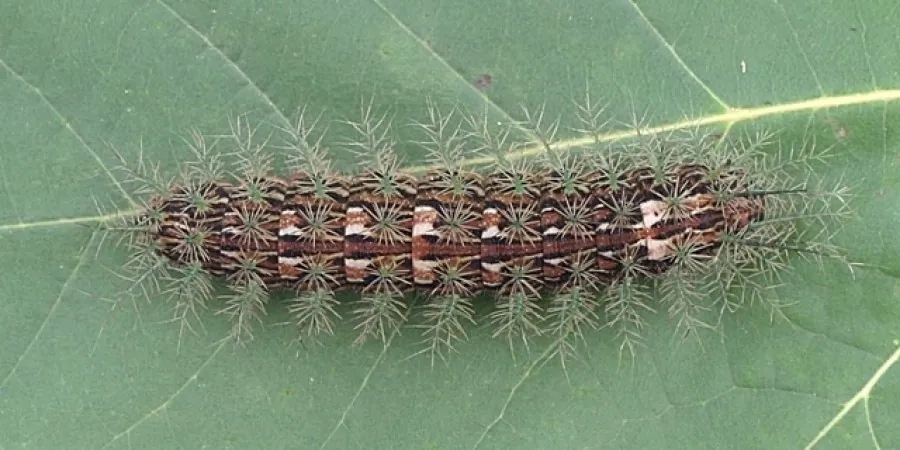
 Hogyan ismerd fel
Méregerő
Apró szőrök vagy sörték törnek bele a bőrbe, és csípnek.
Mit tesz a mérge?
The venom is held in sacs at the base of each spine and flows through the hollow spines into the wound. It causes disseminated intravascular coagulation, which stops the blood from clotting and leads to bleeding into the tissues and internal organs. After an initial phase of headache, fever, vomiting and malaise, a severe bleeding disorder can develop after about 24 hours.1
Mennyire veszélyes az emberre?
Veszély az emberre: Nagyon veszélyesHa valaki nem kap kezelést, megölheti.The caterpillar has been responsible for at least 500 deaths. In Brazil, 42,264 accidents were recorded between 2007 and 2017, of which 248 were severe and five were fatal. The reported death rate is 2.5%. Most victims were male (63%), and 45% were between 0 and 21 years old.1
 Jó hír: az orvosoknak van rá gyógyszerük (ellenméreg) vagy kezelésük.1
Mit csinál, ha megijed?
Its body is covered in hairs and spines that break off easily and inject venom into anything that touches them.1
 Ha megérinted a szőreit
- A study by Dr Robert Norris states that stings and abrasions should be treated with antifibrinolytics. If blood products are needed, they must be given with care so they do not worsen the bleeding. An antiserum made by the Butantan Institute in São Paulo reverses the clotting problems, and patients treated with it recover quickly.1
- A hernyók csalánozó szőreinél: emeld le őket ragasztószalaggal, aztán mosd le a bőrt. Ne dörzsöld.
- Harapásnál: mosd le és hűtsd. Kérj orvosi segítséget, ha a sérült rosszul érzi magát vagy könnyen vérzik.
Mindig először a segélyhívó számot hívd (112, 000, 911). Ez általános elsősegély-tájékoztató, nem orvosi tanács. Elsősegély alapjai
 Maradj biztonságban
- Soha ne érints meg, ne fogj meg és ne bosszants vadállatot, még ha kicsi is, és még ha alszik vagy döglöttnek tűnik is.
- Hagyj neki helyet. Ha találkozol eggyel, maradj nyugodt, lassan lépj hátra, és hagyd, hogy menjen a maga útján.
- Ha megérinted a szőreit: maradj nyugodt, ne mozogj, hívd a segélyhívó számot (112, 000, 911), vagy juss el gyorsan kórházba. Jegyezd meg, hogyan nézett ki, egy fotó sokat segít.
Nem akar elkapni téged. A mérgét arra használja, hogy élelmet fogjon vagy megvédje magát, és sokkal szívesebben elbújik. Még több a biztonságról
Hol él a világban?
Mekkora?
Milyen hosszú?
 olyan hosszú, mint 2 játék építőkocka egy sorban
 lassabb egy éticsigánál
Mekkora Giant silkworm moth caterpillar hozzád képest?
Csak matek a böngésződben. Semmit nem mentünk és nem küldünk el sehova.
Milyen gyors?

Tények
Guinness World Records lists it as the most venomous caterpillar in the world.1
Before studies of Lonomia caterpillars, it was not known that caterpillars could produce enough toxin to kill a person.1
Its venom contains anti-clotting agents that have been studied for possible medical uses, including a component called Lopap.1
The first known epidemic happened in an farming community in Rio Grande do Sul, where victims had only handled leafy branches before their symptoms began.1
Only two of the 26 Lonomia species found in the Americas, L. obliqua and L. achelous, have caused severe reactions.1
Tévhitromboló
Tévhit: Caterpillars cannot produce toxins strong enough to kill a person.
Az igazság: This caterpillar's venom can kill. At least 500 deaths have been linked to it.1
Honnan származnak a tények
- Lonomia obliqua (Wikipedia (CC BY-SA 4.0))
- Lonomia obliqua (iNaturalist): nevek és rendszertan.
- Venom Wiki: a veszélyszint, a tipikus méret és a sebességbecslés a saját értékelésünk. Nézd meg, hogyan számoljuk ki: Hogyan értékeljük a veszélyt.
Ezen az oldalon minden tény mellett van egy szám, amely a forrására mutat. Ha valamit elrontottunk, bocsi, mi állatrajongók vagyunk, nem tudományos folyóirat. Írj nekünk ide: [email protected], és kijavítjuk.
 A skorpió éhes! A Venom Wiki egyszemélyes projekt: ingyenes, reklámok és nyomkövetés nélkül. Egy kis borravaló segít, hogy online maradjon.Etesd meg a skorpiót
Még több ugyanebből a csoportból: Hernyók és rovarok
 Vinchuca kissing bugHernyók és rovarokOrvos kell
 Venezuelan fire caterpillarHernyók és rovarokÖlni is tudNe nyúlj hozzá
 Pararama caterpillarHernyók és rovarokOrvos kellNe nyúlj hozzá
 Rhodnius kissing bugHernyók és rovarokOrvos kell
 Yellowtail moth of the mangrovesHernyók és rovarokCsak fájNe nyúlj hozzá
 Milkweed assassin bugHernyók és rovarokÁrtalmatlan
Itt is él:: Dél-Amerika
 Rettenetes levelibékaNyílméregbékák, varangyok és gőtékHalálosNe nyúlj hozzá
 Érdes lándzsakígyóGödörkésarcú viperákHalálos
 Brazilian wandering spiderPókokÖlni is tud
 Eyelash viperGödörkésarcú viperákÖlni is tud
 Golden lanceheadGödörkésarcú viperákÖlni is tud
 South American bushmasterGödörkésarcú viperákÖlni is tud