
 Afrika
 Ázsia
Ázsia Európa
 Dél-Amerika
 Ausztrália és Óceánia
 Antarktisz
 Csendes-óceán
 Atlanti-óceán
 Indiai-óceán
 Északi-sarki-óceán
 Földközi-tenger
 Vörös-tenger
 Karib-tenger
 Korall-tenger
 Dél-kínai-tenger
 Fülöp-tenger
 Andamán-tenger
 Északi-tenger
 Timor-tenger és Arafura-tenger
 Bengáli-öböl
 Kaliforniai-öböl
Yellow-faced whip snake
 Harapások
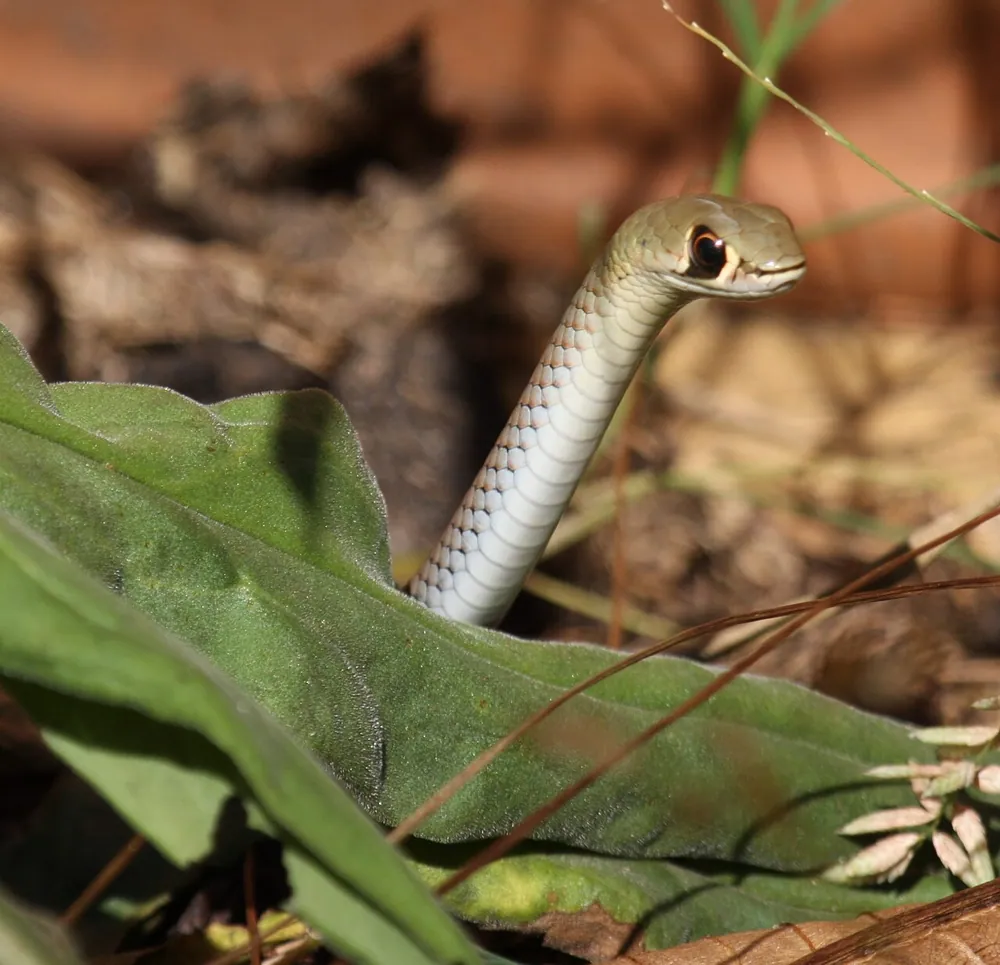
The yellow-faced whip snake is a thin, fast snake with large eyes that lives across most of Australia. It is venomous, but its venom is mainly used on lizards and frogs, and it is not considered dangerous to people. It is one of the most widespread snakes found only in Australia.1



 Hogyan ismerd fel
- Has a narrow, yellowish head with a pale ring around each eye1
- A dark marking curves along the upper lip1
- Colour ranges from olive green to grey and brown, often with a red flush along the upper third of the back1
- Has large, prominent eyes, the largest of any Australian snake1
- Young snakes have a white-edged dark line across the snout1
Gyakran összetévesztik ezzel: It is often confused with the eastern brown snake (Pseudonaja textilis) because the two look similar. Identifying it accurately requires a clear view of the head and counting the dorsal scales at mid-body, which number 15 rows.1
Méregerő
Harapáskor a méreg a méregfogain vagy a fogain keresztül jut ki.
Mit tesz a mérge?
The venom is toxic and deadly to other reptiles and amphibians, and it slows and eventually kills the prey. The venom is not considered dangerous to humans. Some bites cause systemic symptoms such as paralysis and bleeding, along with localised pain and swelling that can range from moderate to severe.1
Mennyire veszélyes az emberre?
Veszély az emberre: FájdalmasNagyon tud fájni, de szinte soha nem súlyos.The venom is not considered dangerous to humans, but a bite will be painful. Some bites cause systemic symptoms such as paralysis and bleeding, so medical attention is needed.1
Mit csinál, ha megijed?
It is fast-moving and nervous, and it flees quickly when disturbed.1
 Ha harap
- Medical treatment should be sought after any snake bite.1
- Nyomókötéses rögzítés: tekerj szoros rugalmas pólyát a harapásra, majd felfelé az egész végtagra, rögzítsd sínnel, és tartsd a sérültet teljesen mozdulatlanul, amíg a segítség meg nem érkezik.
- Ne mosd le a harapás helyét: a kórházban megvizsgálhatják a bőrön maradt mérget, hogy kiválasszák a megfelelő ellenmérget.
Mindig először a segélyhívó számot hívd (112, 000, 911). Ez általános elsősegély-tájékoztató, nem orvosi tanács. Elsősegély alapjai
 Maradj biztonságban
- Soha ne érints meg, ne fogj meg és ne bosszants vadállatot, még ha kicsi is, és még ha alszik vagy döglöttnek tűnik is.
- Hagyj neki helyet. Ha találkozol eggyel, maradj nyugodt, lassan lépj hátra, és hagyd, hogy menjen a maga útján.
- Ha megharap: maradj nyugodt, ne mozogj, hívd a segélyhívó számot (112, 000, 911), vagy juss el gyorsan kórházba. Jegyezd meg, hogyan nézett ki, egy fotó sokat segít.
Nem akar elkapni téged. A mérgét arra használja, hogy élelmet fogjon vagy megvédje magát, és sokkal szívesebben elbújik. Még több a biztonságról
Hol él a világban?
Mekkora?
Milyen hosszú?
 olyan hosszú, mint 2 házimacska orrtól farokig
 olyan hosszú, mint 6 banán egymás után
 55 másodperc alatt futná le a 100 métert (a leggyorsabb embernek 9,6 kell)
Mekkora Yellow-faced whip snake hozzád képest?
Csak matek a böngésződben. Semmit nem mentünk és nem küldünk el sehova.
Milyen gyors?


Tények
It has the largest eyes of any Australian snake, which helps it hunt successfully during the day.1
Snakes often gather in communities, and some communal nests contain 500 to 600 eggs.1
Young snakes often constrict their prey, but adults rarely do so and usually use venom instead.1
Although it is mainly active by day, it also forages at night for nocturnal prey such as geckos and frogs.1
In winter it slows down through brumation and moves mainly to find sun and water.1
Tévhitromboló
Tévhit: The yellow-faced whip snake is a dangerous snake to people because it is venomous.
Az igazság: Its venom is deadly to lizards, frogs and other reptiles, but it is not considered dangerous to humans. Its bites are still painful and medical care should be sought.1
Méregszakértőknek
- Tudományos név
- Demansia psammophis
- Csoport
- Ausztrál kígyók
- Család
- Elapidae2
- Rend
- Squamata
- Kontinensek
- Ausztrália és Óceánia
- Kicsinyek
- It lays eggs in clutches of 5 to 6 or 15 to 20, and some communal nests hold 500 to 600 eggs. Hatchlings measure about 17 cm snout to vent.1
- Hogy áll a vadonban
- Least concern (IUCN Red List); near-threatened in Victoria1
- Veszély az emberre
- 2 / 5: Fájdalmas3
Honnan származnak a tények
- Yellow-faced whipsnake (Wikipedia (CC BY-SA 4.0))
- Demansia psammophis (iNaturalist): nevek és rendszertan.
- Venom Wiki: a veszélyszint, a tipikus méret és a sebességbecslés a saját értékelésünk. Nézd meg, hogyan számoljuk ki: Hogyan értékeljük a veszélyt.
Ezen az oldalon minden tény mellett van egy szám, amely a forrására mutat. Ha valamit elrontottunk, bocsi, mi állatrajongók vagyunk, nem tudományos folyóirat. Írj nekünk ide: [email protected], és kijavítjuk.
 A skorpió éhes! A Venom Wiki egyszemélyes projekt: ingyenes, reklámok és nyomkövetés nélkül. Egy kis borravaló segít, hogy online maradjon.Etesd meg a skorpiót
Még több ugyanebből a csoportból: Ausztrál kígyók
 Tajpán
 Közönséges halálkígyó
 Keleti barnakígyó
 Belföldi tajpán
 Tigriskígyó
 Collett's snake
Itt is él:: Ausztrália és Óceánia
 Sydney-i tölcsérhálós pókMadárpókok és tölcsérhálós pókokHalálos
 Redback spiderPókokOrvos kell
 Brown tree snakeHátsó méregfogú kígyókCsak fáj
 Hooded pitohuiMás mérgező állatokCsak fájNe nyúlj hozzá
 PlatypusMérges emlősökCsak fáj
 Northern tree-dwelling funnel-web spiderMadárpókok és tölcsérhálós pókokHalálos