
 Աֆրիկա
 Ասիա
Ասիա Եվրոպա
 Հարավային Ամերիկա
 Ավստրալիա և Օվկիանիա
 Անտարկտիդա
 Խաղաղ օվկիանոս
 Ատլանտյան օվկիանոս
 Հնդկական օվկիանոս
 Հյուսիսային սառուցյալ օվկիանոս
 Միջերկրական ծով
 Կարմիր ծով
 Կարիբյան ծով
 Մարջանային ծով
 Հարավչինական ծով
 Ֆիլիպինյան ծով
 Անդամանյան ծով
 Հյուսիսային ծով
 Տիմորի և Արաֆուրայի ծովեր
 Բենգալյան ծոց
 Կալիֆոռնիական ծոց
Habu
 Կծում է
The habu is a venomous pit viper that lives on the Ryukyu Islands of Japan, including Okinawa and the Amami Islands. It is the largest member of its genus, Protobothrops. Its bite is serious, so it is important to know what it looks like.1

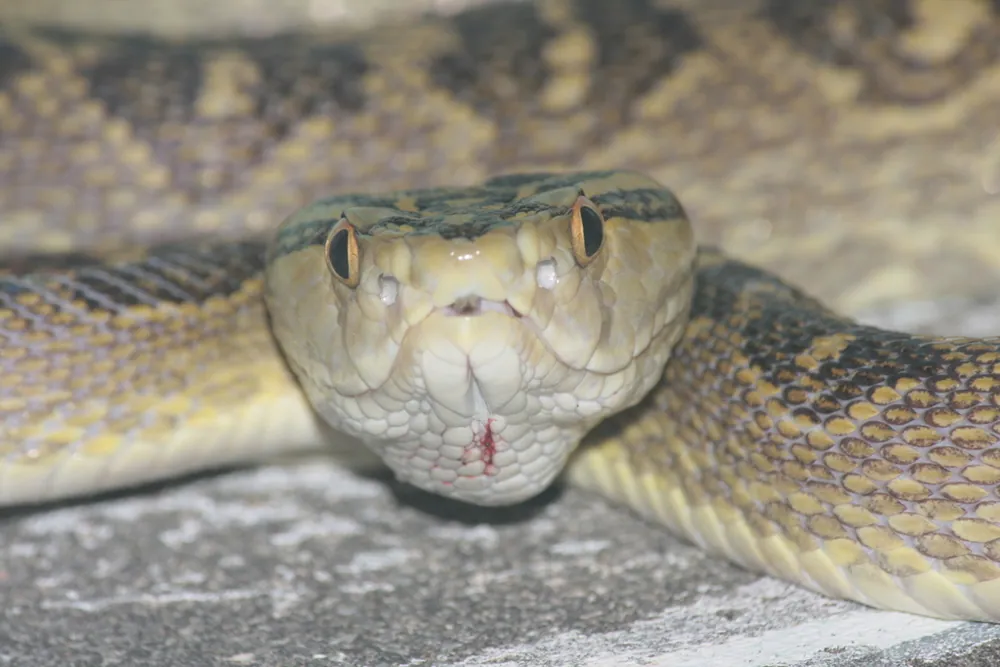
 Ինչպես ճանաչել այն
- Typically 120 to 150 cm long, including the tail, and slender with a large head1
- Light olive or brown body with elongated dark green or brownish blotches1
- Blotches have yellow edges, sometimes yellow spots, and often join to form wavy stripes1
- Whitish belly with dark edges1
- Crown of the head covered with small scales1
Հաճախ շփոթում են՝ In Okinawa Prefecture, the name habu can also refer to the Sakishima habu (Protobothrops elegans), also called the elegant pit viper. This is a different species.1
Թույնի հզորություն
Թույնը դուրս է գալիս ժանիքների կամ ատամների միջով, երբ այն կծում է։
Ի՞նչ է անում նրա թույնը, երբ կծում կամ խայթում է։
The venom is highly toxic and contains cytotoxin, which damages body cells, and hemorrhagin, which damages blood vessels and causes bleeding. A bite can cause nausea, vomiting and low blood pressure, and it can possibly cause death. Some victims have lost movement in their hands and legs, even after treatment.1
Որքա՞ն վտանգավոր է այն մարդկանց համար։
Վտանգ մարդկանց համար: Շատ վտանգավորԱյն կարող է սպանել մարդուն, ով բուժում չի ստանում։The Amami Islands have about two snakebites per 1,000 people, which is considered very high. The fatality rate is less than 1%. Bites are not life-threatening if the victim receives medical care promptly, but 6 to 8% of victims suffer permanent disability.1
Ի՞նչ է անում, երբ վախենում է։
The habu is bold and irritable, and it can strike quickly from a long reach.1
 Եթե կծի
- Get medical care promptly. With prompt medical care, bites are not life-threatening.1
- Մարդուն պահիր անշարժ և հանգիստ, կծած վերջույթը պահիր սրտի մակարդակում, հանիր մատանիները և նեղ իրերը և արագ հասցրու հիվանդանոց։
Միշտ առաջինը զանգիր շտապ օգնության համարով (112, 000, 911)։ Սա առաջին օգնության ընդհանուր ուղեցույց է, ոչ թե բժշկական խորհրդատվություն։ Առաջին օգնության հիմունքներ
 Մնա անվտանգ
- Երբեք մի՛ դիպչիր, մի՛ բռնիր և մի՛ ջղայնացրու վայրի կենդանուն, նույնիսկ փոքրին, և նույնիսկ եթե այն քնած կամ սատկած է թվում։
- Տարածություն թող նրան։ Եթե հանդիպես, հանգիստ մնա, դանդաղ հետ քաշվիր և թող, որ գնա իր ճանապարհով։
- Եթե դրանցից մեկը քեզ կծի: հանգիստ մնա, մի՛ շարժվիր, զանգիր շտապ օգնության համարով (112, 000, 911) կամ արագ հասիր հիվանդանոց։ Հիշիր, թե ինչ տեսք ուներ, լուսանկարը կօգնի։
Այն չի ուզում քեզ վնասել։ Այն օգտագործում է իր թույնը սնունդ որսալու կամ իրեն պաշտպանելու համար և շատ ավելի կնախընտրի թաքնվել։ Ավելին անվտանգության մասին
Աշխարհի ո՞ր մասում։
Որքա՞ն մեծ է այն։
Որքա՞ն երկար է այն։
 5 տնային կատվի չափ երկար՝ քթից պոչ
 13 բանանի չափ երկար՝ իրար հետևից դասավորած
 կարող էր 100 մետրն անցնել 86 վայրկյանում (ամենաարագ մարդուն պետք է 9,6)
Որքա՞ն մեծ է Habu-ը ՔԵԶ համեմատ։
Պարզապես մաթեմատիկա քո դիտարկիչում։ Ոչինչ չի պահպանվում և ոչ մի տեղ չի ուղարկվում։
Որքա՞ն արագ է այն։


Փաստեր
On Okinawa, habus are heavily collected to make habushu, a liquor made from awamori sake, which is said to have medicinal properties.1
Unlike most pit vipers, the habu lays eggs rather than giving birth to live young.1
Hatchlings are about 25 cm long and look the same as the adults.1
The small Indian mongoose was introduced to Okinawa in 1910 to reduce the habu population. The effects of this have not been studied, but similar introductions have harmed native wildlife.1
The habu is the largest member of its genus, Protobothrops.1
Թույնի փորձագետների համար
Որտեղից են փաստերը
- Protobothrops flavoviridis (Wikipedia (CC BY-SA 4.0))
- Protobothrops flavoviridis (iNaturalist): անուններ և դասակարգում։
- Venom Wiki: վտանգի մակարդակը, բնորոշ չափը և արագության գնահատականը մերն են։ Տես, թե ինչպես ենք դրանք հաշվում: Ինչպես ենք գնահատում վտանգը.
Այս էջի յուրաքանչյուր փաստ ունի համար, որը ցույց է տալիս դրա աղբյուրը։ Եթե ինչ-որ բան սխալ ենք գրել, ներողություն, մենք կենդանիների սիրահարներ ենք, ոչ թե գիտական ամսագիր։ Գրիր մեզ [email protected] հասցեով, և մենք կուղղենք։
 Կարիճը սոված է! Venom Wiki-ն մեկ մարդու նախագիծ է: անվճար, առանց գովազդի և առանց հետագծիչների։ Փոքրիկ թեյավճարն օգնում է այն պահել առցանց։Կերակրիր կարիճին
 Brown spotted pit viper
 Hump-nosed viper
 Hundred-pace viper
 Malayan pit viper
 Mamushi
 Mangshan pit viper
 Deathstalker
 Indian cobra
 Indian saw-scaled viper
 King cobra
 Puff adder
 Russell's viper