
 Աֆրիկա
 Ասիա
Ասիա Եվրոպա
 Հարավային Ամերիկա
 Ավստրալիա և Օվկիանիա
 Անտարկտիդա
 Խաղաղ օվկիանոս
 Ատլանտյան օվկիանոս
 Հնդկական օվկիանոս
 Հյուսիսային սառուցյալ օվկիանոս
 Միջերկրական ծով
 Կարմիր ծով
 Կարիբյան ծով
 Մարջանային ծով
 Հարավչինական ծով
 Ֆիլիպինյան ծով
 Անդամանյան ծով
 Հյուսիսային ծով
 Տիմորի և Արաֆուրայի ծովեր
 Բենգալյան ծոց
 Կալիֆոռնիական ծոց
Katipo
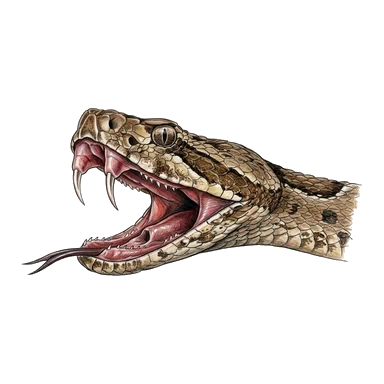 Կծում է
The katipō is a cobweb spider found only in New Zealand, where it lives in coastal sand dunes. It is closely related to the Australian redback spider. Its bite is venomous to people, but bites are rare.1

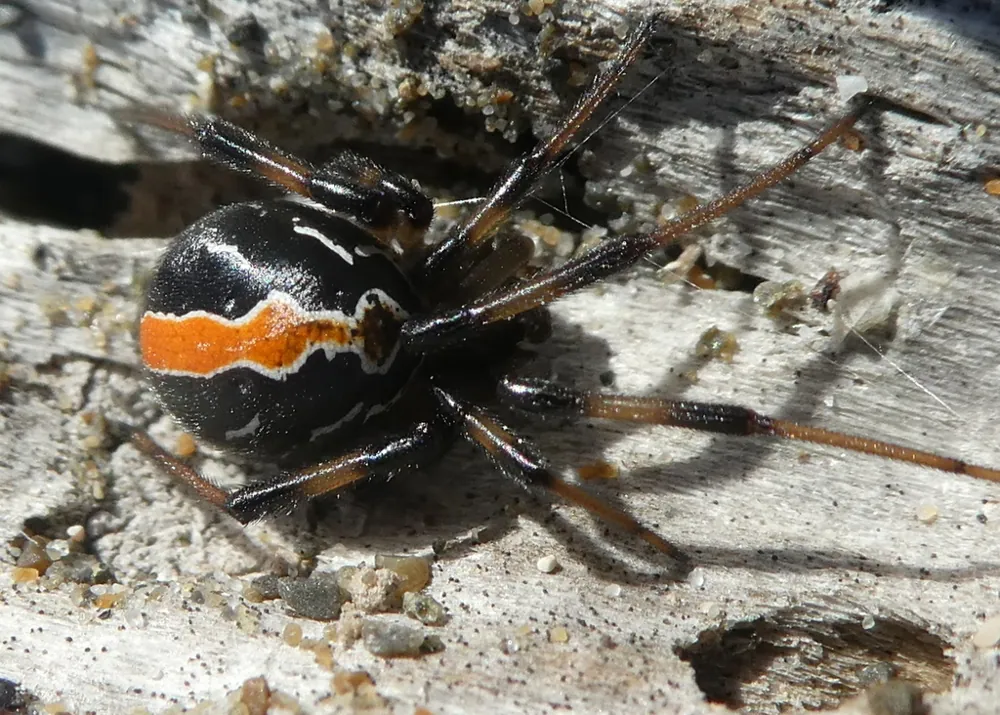
 Ինչպես ճանաչել այն
- Adult females have a body length of 8–10 mm (about 0.3–0.4 in).1
- The red katipō, found in the South Island and lower North Island, has a large black, shiny abdomen with a white-bordered orange or red stripe on top, and a red hourglass-shaped marking underneath.1
- The black katipō, found in the upper North Island, has no upper red or orange stripe and is somewhat lighter in colour.1
- Males are 4–5 mm long, white with black stripes and red hourglass-shaped markings.1
Հաճախ շփոթում են՝ Steatoda species, which share the same habitat, are very similar and are called "false katipō" in New Zealand. The katipō has a less shiny, more tapered abdomen, and its side eyes are further apart. It is also similar to the redback, but the katipō has only short hair-like spines on its abdomen, while the redback has a mix of long and short ones.1
Թույնի հզորություն
Թույնը դուրս է գալիս ժանիքների կամ ատամների միջով, երբ այն կծում է։
Ի՞նչ է անում նրա թույնը, երբ կծում կամ խայթում է։
The bite can cause latrodectism, a toxic syndrome that affects the nerves and body. Symptoms include extreme pain and, potentially, high blood pressure (hypertension) or seizures.1
Որքա՞ն վտանգավոր է այն մարդկանց համար։
Վտանգ մարդկանց համար: ԼուրջԿծածի դեպքում բժիշկ է պետք։ Մահվան դեպքերը շատ հազվադեպ են։Katipō are venomous to humans, but bites are described as rare. Serious symptoms are possible, including extreme pain, high blood pressure and seizures.1
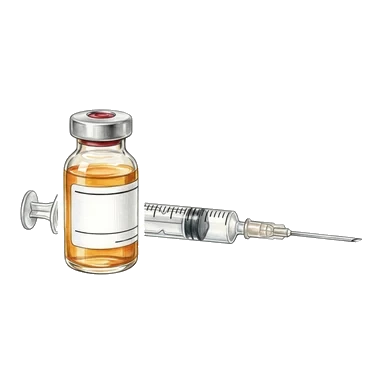 Լավ լուր: բժիշկներն ունեն դեղ (հակաթույն) կամ բուժում սրա համար։1
 Եթե կծի
- Լվա կծածի տեղը և ցավի համար դրա վրա սառույցի պարկ դիր։ Դիմիր բժշկական օգնության, եթե ցավը ուժեղ է, տարածվում է կամ մարդը վատ է զգում։
Միշտ առաջինը զանգիր շտապ օգնության համարով (112, 000, 911)։ Սա առաջին օգնության ընդհանուր ուղեցույց է, ոչ թե բժշկական խորհրդատվություն։ Առաջին օգնության հիմունքներ
 Մնա անվտանգ
- Երբեք մի՛ դիպչիր, մի՛ բռնիր և մի՛ ջղայնացրու վայրի կենդանուն, նույնիսկ փոքրին, և նույնիսկ եթե այն քնած կամ սատկած է թվում։
- Տարածություն թող նրան։ Եթե հանդիպես, հանգիստ մնա, դանդաղ հետ քաշվիր և թող, որ գնա իր ճանապարհով։
- Եթե դրանցից մեկը քեզ կծի: հանգիստ մնա, մի՛ շարժվիր, զանգիր շտապ օգնության համարով (112, 000, 911) կամ արագ հասիր հիվանդանոց։ Հիշիր, թե ինչ տեսք ուներ, լուսանկարը կօգնի։
Այն չի ուզում քեզ վնասել։ Այն օգտագործում է իր թույնը սնունդ որսալու կամ իրեն պաշտպանելու համար և շատ ավելի կնախընտրի թաքնվել։ Ավելին անվտանգության մասին
Աշխարհի ո՞ր մասում։
Որքա՞ն մեծ է այն։
Որքա՞ն երկար է այն։
 այնքան փոքր, որ կտեղավորվի քո եղունգի վրա
Որքա՞ն մեծ է Katipo-ը ՔԵԶ համեմատ։
Պարզապես մաթեմատիկա քո դիտարկիչում։ Ոչինչ չի պահպանվում և ոչ մի տեղ չի ուղարկվում։
Որքա՞ն արագ է այն։


Փաստեր
In one 24-hour study of young spiders, 28% left the web by ballooning, carried by air currents.1
Katipō is one of the few Māori words that refers to a specific species of spider.1
The female does not usually eat the male after mating, unlike some other widow spiders.1
Females cover their egg sacs with silk and sand, which partly hides them in the web.1
The katipō is found only in New Zealand.1
Առասպելների ջախջախիչ
Առասպել: The katipō is just a form of the redback spider.
Ճշմարտություն: The katipō is genetically and physically distinct from the redback, even though the two are closely related. It was once thought to be a subspecies of the redback.1
Թույնի փորձագետների համար
- Գիտական անվանում
- Latrodectus katipo
- Խումբ
- Սարդեր
- Ընտանիք
- Theridiidae2
- Կարգ
- Araneae
- Մայրցամաքներ
- Ավստրալիա և Օվկիանիա
- Ձագեր
- The female lays five or six egg sacs in November or December, with about 70 to 90 eggs in each. The young hatch after 20–25 days and leave the egg sac in January and February.1
- Ինչպես է այն ապրում վայրի բնության մեջ
- In serious decline (New Zealand Threat Classification System)1
- Վտանգ մարդկանց համար
- 3 / 5: Լուրջ3
Որտեղից են փաստերը
- Katipō (Wikipedia (CC BY-SA 4.0))
- Latrodectus katipo (iNaturalist): անուններ և դասակարգում։
- Venom Wiki: վտանգի մակարդակը, բնորոշ չափը և արագության գնահատականը մերն են։ Տես, թե ինչպես ենք դրանք հաշվում: Ինչպես ենք գնահատում վտանգը.
Այս էջի յուրաքանչյուր փաստ ունի համար, որը ցույց է տալիս դրա աղբյուրը։ Եթե ինչ-որ բան սխալ ենք գրել, ներողություն, մենք կենդանիների սիրահարներ ենք, ոչ թե գիտական ամսագիր։ Գրիր մեզ [email protected] հասցեով, և մենք կուղղենք։
 Կարիճը սոված է! Venom Wiki-ն մեկ մարդու նախագիծ է: անվճար, առանց գովազդի և առանց հետագծիչների։ Փոքրիկ թեյավճարն օգնում է այն պահել առցանց։Կերակրիր կարիճին
 Redback spider
 White-tailed spider
 Peacock spider
 Badge huntsman spider
 Black house spider
 Eastern white-tailed spider
 Coastal taipan
 Common death adder
 Eastern brown snake
 Inland taipan
 Sydney funnel-web spider
 Tiger snake