
 Աֆրիկա
 Ասիա
Ասիա Եվրոպա
 Հարավային Ամերիկա
 Ավստրալիա և Օվկիանիա
 Անտարկտիդա
 Խաղաղ օվկիանոս
 Ատլանտյան օվկիանոս
 Հնդկական օվկիանոս
 Հյուսիսային սառուցյալ օվկիանոս
 Միջերկրական ծով
 Կարմիր ծով
 Կարիբյան ծով
 Մարջանային ծով
 Հարավչինական ծով
 Ֆիլիպինյան ծով
 Անդամանյան ծով
 Հյուսիսային ծով
 Տիմորի և Արաֆուրայի ծովեր
 Բենգալյան ծոց
 Կալիֆոռնիական ծոց
Philippine slow loris
 Կծում է
The Philippine slow loris is a small primate with pale golden to red fur and large eyes. It lives in lowland forests, gardens and plantations on the north and east coasts of Borneo and in the Sulu Archipelago of the Philippines. It is special because it is one of the smallest slow lorises and one of the hardest to find in the wild.1

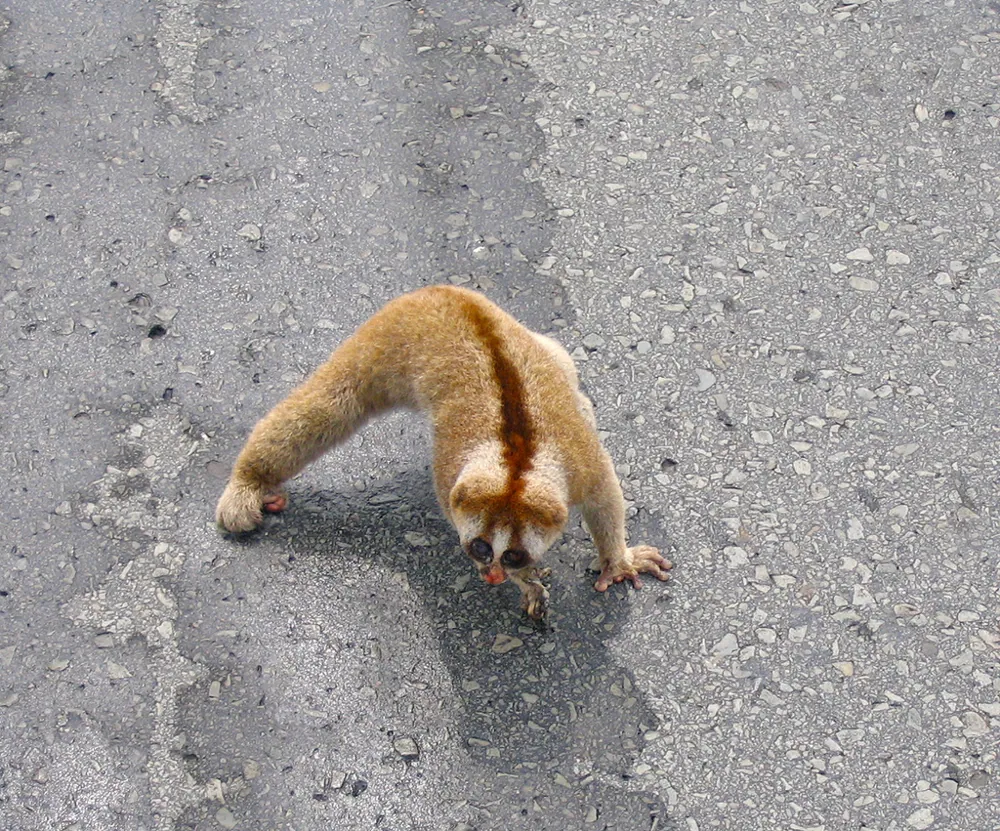
 Ինչպես ճանաչել այն
- Pale golden to red fur1
- Low-contrast markings on the face and head, with no strong dark face mask1
- Short, unfluffed body hair1
- Consistently lacks a second upper incisor (front tooth)1
- Small body, with a vestigial tail, round head and short ears; it is nocturnal and moves through the trees1
Հաճախ շփոթում են՝ It is often confused with other slow lorises. The Bornean kayan slow loris (N. kayan) also has pale body colour, but it has a dark, high-contrast face mask and longer, fluffier fur. Its face markings are much fainter than those of N. kayan.1
Թույնի հզորություն
Թույնը դուրս է գալիս ժանիքների կամ ատամների միջով, երբ այն կծում է։
Ի՞նչ է անում նրա թույնը, երբ կծում կամ խայթում է։
This animal has a gland on the inside of its elbow that makes a pungent, clear, oily toxin. It spreads the toxin on its toothcomb (a set of lower front teeth) and uses it for defence.1
Որքա՞ն վտանգավոր է այն մարդկանց համար։
Վտանգ մարդկանց համար: ՑավոտԱյն կարող է շատ ցավեցնել, բայց գրեթե երբեք լուրջ չէ։Ի՞նչ է անում, երբ վախենում է։
When threatened, it wipes toxin from its elbow gland onto its toothcomb.1
 Եթե կծի
- Լավ լվա վերքը և դիմիր բժշկական օգնության։
Միշտ առաջինը զանգիր շտապ օգնության համարով (112, 000, 911)։ Սա առաջին օգնության ընդհանուր ուղեցույց է, ոչ թե բժշկական խորհրդատվություն։ Առաջին օգնության հիմունքներ
 Մնա անվտանգ
- Երբեք մի՛ դիպչիր, մի՛ բռնիր և մի՛ ջղայնացրու վայրի կենդանուն, նույնիսկ փոքրին, և նույնիսկ եթե այն քնած կամ սատկած է թվում։
- Տարածություն թող նրան։ Եթե հանդիպես, հանգիստ մնա, դանդաղ հետ քաշվիր և թող, որ գնա իր ճանապարհով։
- Եթե դրանցից մեկը քեզ կծի: հանգիստ մնա, մի՛ շարժվիր, զանգիր շտապ օգնության համարով (112, 000, 911) կամ արագ հասիր հիվանդանոց։ Հիշիր, թե ինչ տեսք ուներ, լուսանկարը կօգնի։
Այն չի ուզում քեզ վնասել։ Այն օգտագործում է իր թույնը սնունդ որսալու կամ իրեն պաշտպանելու համար և շատ ավելի կնախընտրի թաքնվել։ Ավելին անվտանգության մասին
Աշխարհի ո՞ր մասում։
Որքա՞ն մեծ է այն։
Որքա՞ն երկար է այն։
Որքա՞ն ծանր է այն։

 9 խաղալիք կոնստրուկտորի աղյուսի չափ երկար՝ շարքով դասավորած
 կարող էր 100 մետրն անցնել 180 վայրկյանում (ամենաարագ մարդուն պետք է 9,6)
Որքա՞ն մեծ է Philippine slow loris-ը ՔԵԶ համեմատ։
Պարզապես մաթեմատիկա քո դիտարկիչում։ Ոչինչ չի պահպանվում և ոչ մի տեղ չի ուղարկվում։
Որքա՞ն արագ է այն։


Փաստեր
It is so rare and hard to find that in one 75-day field study at Sabangau National Park, researchers recorded only 12 sightings.1
It has a curved grooming claw on its second hind toe, which it uses for scratching and grooming.1
Fossils of this species have been found in the Late Pleistocene site of Niah in Sarawak.1
It is one of the smallest slow lorises, and it is the least studied of Indonesia's slow lorises.1
Որտեղից են փաստերը
- Philippine slow loris (Wikipedia (CC BY-SA 4.0))
- Nycticebus menagensis (iNaturalist): անուններ և դասակարգում։
- Venom Wiki: վտանգի մակարդակը, բնորոշ չափը և արագության գնահատականը մերն են։ Տես, թե ինչպես ենք դրանք հաշվում: Ինչպես ենք գնահատում վտանգը.
Այս էջի յուրաքանչյուր փաստ ունի համար, որը ցույց է տալիս դրա աղբյուրը։ Եթե ինչ-որ բան սխալ ենք գրել, ներողություն, մենք կենդանիների սիրահարներ ենք, ոչ թե գիտական ամսագիր։ Գրիր մեզ [email protected] հասցեով, և մենք կուղղենք։
 Կարիճը սոված է! Venom Wiki-ն մեկ մարդու նախագիծ է: անվճար, առանց գովազդի և առանց հետագծիչների։ Փոքրիկ թեյավճարն օգնում է այն պահել առցանց։Կերակրիր կարիճին
Ավելին նույն խմբից: Թունավոր կաթնասուններ
 Bengal slow lorisԹունավոր կաթնասուններՊարզապես ցավում է
 Javan slow lorisԹունավոր կաթնասուններՊարզապես ցավում է
 Pygmy slow lorisԹունավոր կաթնասուններՊարզապես ցավում է
 Sunda slow lorisԹունավոր կաթնասուններՊարզապես ցավում է
 Kayan River slow lorisԹունավոր կաթնասուններՊարզապես ցավում է
 Eurasian water shrewԹունավոր կաթնասուններԱնվնաս
 Deathstalker
 Indian cobra
 Indian saw-scaled viper
 King cobra
 Puff adder
 Russell's viper