
 Աֆրիկա
 Ասիա
Ասիա Եվրոպա
 Հարավային Ամերիկա
 Ավստրալիա և Օվկիանիա
 Անտարկտիդա
 Խաղաղ օվկիանոս
 Ատլանտյան օվկիանոս
 Հնդկական օվկիանոս
 Հյուսիսային սառուցյալ օվկիանոս
 Միջերկրական ծով
 Կարմիր ծով
 Կարիբյան ծով
 Մարջանային ծով
 Հարավչինական ծով
 Ֆիլիպինյան ծով
 Անդամանյան ծով
 Հյուսիսային ծով
 Տիմորի և Արաֆուրայի ծովեր
 Բենգալյան ծոց
 Կալիֆոռնիական ծոց
Savigny's long-spined urchin
 Թունավոր փշեր
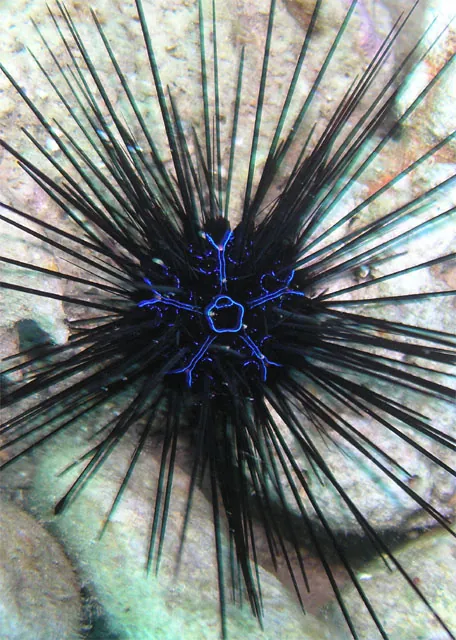
Savigny's long-spined urchin is a spiny sea animal that lives on reefs and in shallow lagoons. It has very long, thin spines that can grow up to 25 cm, and it comes out at night to graze on algae. Its spines are the part that can hurt people, so it is worth giving it plenty of room.1


 Ինչպես ճանաչել այն
- Usually black, with a rounded body (called a test) up to about 9 cm across1
- Long, thin, hollow spines that grow in tufts and can reach 25 cm; they are usually black but can be grey, dark brown or purple1
- Juveniles may have bands of lighter and darker shades, and the occasional individual is completely white1
- Iridescent green or blue lines around the interambulacral areas and around the periproct (the cone-shaped region surrounding the anus)1
Հաճախ շփոթում են՝ It is very similar to Diadema setosum, which shares much of its range and often lives in the same groups. Savigny's long-spined urchin lacks the thin orange ring around the periproct that Diadema setosum has.1
Թույնի հզորություն
Թույնը կրում են սուր փշերը։ Վրան ոտք դնելը կամ բռնելը ցավեցնում է։
Որքա՞ն վտանգավոր է այն մարդկանց համար։
Վտանգ մարդկանց համար: ՑավոտԱյն կարող է շատ ցավեցնել, բայց գրեթե երբեք լուրջ չէ։Ի՞նչ է անում, երբ վախենում է։
When a shadow falls on it, it angles its spines towards the possible attacker.1
 Եթե նրա փշերը քեզ ծակեն
- Վերքը դիր տաք ջրի մեջ, այնքան տաք, որքան մարդը կարող է դիմանալ առանց այրվելու, և դիմիր բժշկական օգնության՝ փշերը հեռացնելու համար։ Ինքդ մի՛ փորփրիր դրանք հանելու համար։
Միշտ առաջինը զանգիր շտապ օգնության համարով (112, 000, 911)։ Սա առաջին օգնության ընդհանուր ուղեցույց է, ոչ թե բժշկական խորհրդատվություն։ Առաջին օգնության հիմունքներ
 Մնա անվտանգ
- Երբեք մի՛ դիպչիր, մի՛ բռնիր և մի՛ ջղայնացրու վայրի կենդանուն, նույնիսկ փոքրին, և նույնիսկ եթե այն քնած կամ սատկած է թվում։
- Տարածություն թող նրան։ Եթե հանդիպես, հանգիստ մնա, դանդաղ հետ քաշվիր և թող, որ գնա իր ճանապարհով։
- Եթե նրա փշերը քեզ ծակեն: հանգիստ մնա, մի՛ շարժվիր, զանգիր շտապ օգնության համարով (112, 000, 911) կամ արագ հասիր հիվանդանոց։ Հիշիր, թե ինչ տեսք ուներ, լուսանկարը կօգնի։
Այն չի ուզում քեզ վնասել։ Այն օգտագործում է իր թույնը սնունդ որսալու կամ իրեն պաշտպանելու համար և շատ ավելի կնախընտրի թաքնվել։ Ավելին անվտանգության մասին
Աշխարհի ո՞ր մասում։
Որքա՞ն մեծ է այն։
Որքա՞ն երկար է այն։
 3 խաղալիք կոնստրուկտորի աղյուսի չափ երկար՝ շարքով դասավորած
 այգու խխունջից դանդաղ
Որքա՞ն մեծ է Savigny's long-spined urchin-ը ՔԵԶ համեմատ։
Պարզապես մաթեմատիկա քո դիտարկիչում։ Ոչինչ չի պահպանվում և ոչ մի տեղ չի ուղարկվում։
Որքա՞ն արագ է այն։


Փաստեր
Its spines are brittle, thin and hollow, and grow in tufts that can be as long as 25 cm.1
Small fish such as cardinal fish, flatworms and shrimps sometimes shelter among its long spines.1
It spawns just after the full moon, while its close relative Diadema setosum mostly spawns around days eight to ten of the lunar cycle, which keeps the two species from interbreeding.1
Its grazing helps control algae, which might otherwise smother corals.1
It is nocturnal, hiding in crevices or under boulders by day, though several individuals sometimes huddle together in the open.1
Its predators include pufferfish, porcupinefish, lobsters and snails.1
Թույնի փորձագետների համար
- Գիտական անվանում
- Diadema savignyi
- Խումբ
- Ծովոզնիներ, ծովաստղեր և որդեր
- Ընտանիք
- Diadematidae2
- Կարգ
- Diadematoida
- Մայրցամաքներ
- Հնդկական օվկիանոս, Խաղաղ օվկիանոս, Կարմիր ծով, Արաբական ծով և Պարսից ծոց, Տիմորի և Արաֆուրայի ծովեր, Բենգալյան ծոց, Օվկիանոսները
- Ձագեր
- It does not have live young. Instead it releases eggs and sperm into the water (spawning), mainly during the north-east monsoon period, peaking in May, and timed to the lunar cycle.1
- Վտանգ մարդկանց համար
- 2 / 5: Ցավոտ3
Որտեղից են փաստերը
- Diadema savignyi (Wikipedia (CC BY-SA 4.0))
- Diadema savignyi (iNaturalist): անուններ և դասակարգում։
- Venom Wiki: վտանգի մակարդակը, բնորոշ չափը և արագության գնահատականը մերն են։ Տես, թե ինչպես ենք դրանք հաշվում: Ինչպես ենք գնահատում վտանգը.
Այս էջի յուրաքանչյուր փաստ ունի համար, որը ցույց է տալիս դրա աղբյուրը։ Եթե ինչ-որ բան սխալ ենք գրել, ներողություն, մենք կենդանիների սիրահարներ ենք, ոչ թե գիտական ամսագիր։ Գրիր մեզ [email protected] հասցեով, և մենք կուղղենք։
 Կարիճը սոված է! Venom Wiki-ն մեկ մարդու նախագիծ է: անվճար, առանց գովազդի և առանց հետագծիչների։ Փոքրիկ թեյավճարն օգնում է այն պահել առցանց։Կերակրիր կարիճին
Ավելին նույն խմբից: Ծովոզնիներ, ծովաստղեր և որդեր
 Crown-of-thorns starfishԾովոզնիներ, ծովաստղեր և որդերԲժիշկ է պետքՄի՛ դիպչիր
 Flower urchinԾովոզնիներ, ծովաստղեր և որդերԿարող է սպանել
 Fire urchinԾովոզնիներ, ծովաստղեր և որդերԲժիշկ է պետքՄի՛ դիպչիր
 Bearded firewormԾովոզնիներ, ծովաստղեր և որդերՊարզապես ցավում էՄի՛ դիպչիր
 Black long-spined urchinԾովոզնիներ, ծովաստղեր և որդերՊարզապես ցավում էՄի՛ դիպչիր
 BloodwormԾովոզնիներ, ծովաստղեր և որդերՊարզապես ցավում է
Ապրում է նաև: Հնդկական օվկիանոս
 Australian box jellyfishՄեդուզաներ և ծովային խայթողներՄահացուՄի՛ դիպչիր
 Geography coneԿոնաձև խխունջներ և ութոտնուկներՄահացու
 Greater blue-ringed octopusԿոնաձև խխունջներ և ութոտնուկներՄահացու
 Southern blue-ringed octopusԿոնաձև խխունջներ և ութոտնուկներՄահացու
 Hawksbill sea turtleԱյլ կենդանիներ, որոնք թունավոր են դիպչելիս կամ ուտելիսԿարող է սպանել
 Irukandji jellyfishՄեդուզաներ և ծովային խայթողներԿարող է սպանելՄի՛ դիպչիր