
 Afríka
 Asía
Asía Evrópa
 Suður-Ameríka
 Ástralía og Eyjaálfa
 Suðurskautslandið
 Kyrrahaf
 Atlantshaf
 Indlandshaf
 Norður-Íshaf
 Miðjarðarhaf
 Rauðahaf
 Karíbahaf
 Kóralhaf
 Suður-Kínahaf
 Filippseyjahaf
 Andamanhaf
 Norðursjór
 Tímorhaf og Arafúrahaf
 Bengalflói
 Kaliforníuflói
Common lancehead
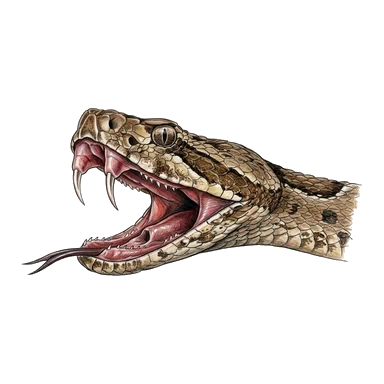 Bit
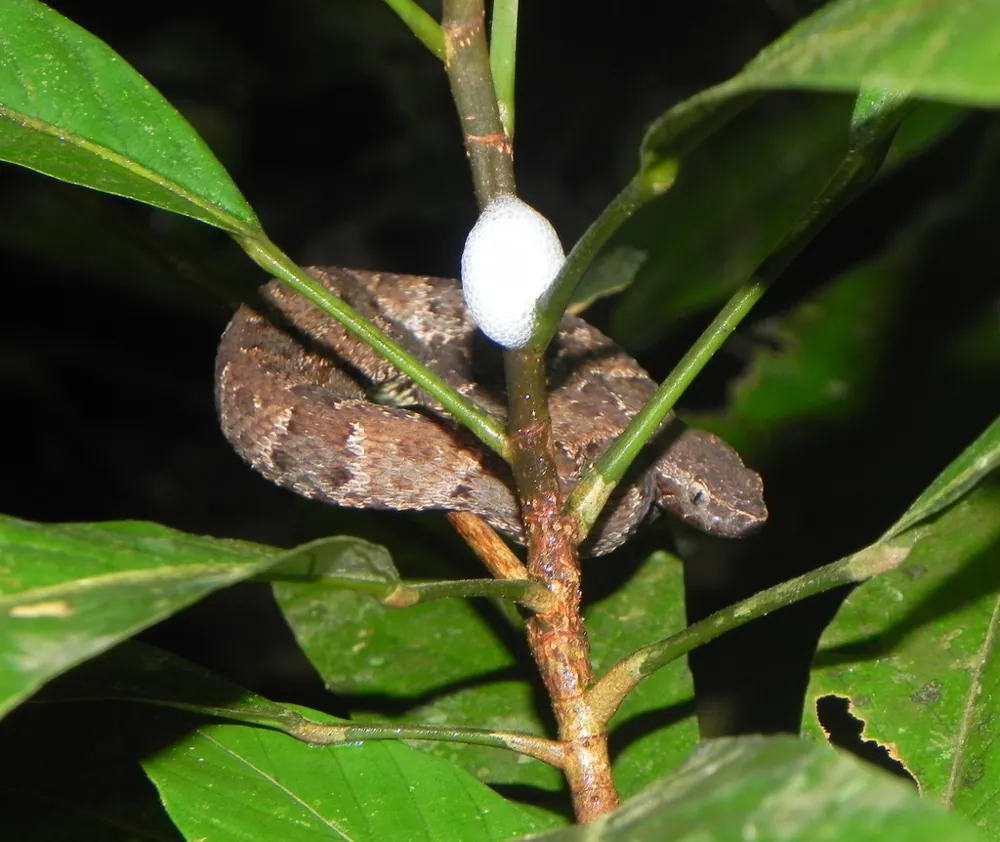
BitThe common lancehead is a highly venomous pit viper that lives in the tropical lowlands of northern South America and on the Caribbean island of Trinidad. It is one of the most common pit vipers in its range and is not endangered. Its venom disrupts blood clotting, which makes its bite especially serious.1
 Svona þekkir þú það
- Ground colour is olive, brown, tan, grey or yellow, and rarely rusty.1
- The body pattern is a series of blotches that often fuse into bands. The markings are X-like, which is why some local names refer to the letter X.1
- The chin is pale yellow, and a dark stripe runs from behind the eye to the corner of the mouth.1
- The irises are gold or bronze, and the tongue is black.1
- Adults usually measure 75 to 125 cm in total length and are moderately heavy-bodied.1
Oft ruglað saman við: It is often confused with Bothrops asper, which was once included in this species. Most authorities now consider B. asper to be a separate species. This confusion also makes reports of its maximum size unclear.1
Eiturkraftur
Eitrið kemur út um eiturtennurnar eða tennurnar þegar það bítur.
Hvað gerir eitrið þegar það bítur eða stingur?
Its venom is haemorrhagic, meaning it damages the lining of blood vessels and uses up the substances that allow blood to clot. Symptoms can include severe bleeding, kidney failure, abnormal clotting, blisters and necrosis (death of body tissue). Bleeding in the brain can also occur. Recovery from the clotting problem has been seen 14 to 30 hours after a bite.1
Hversu hættulegt er það fólki?
Hætta fyrir fólk: BanvæntEitt af hættulegustu dýrum heims.The bite is serious and can be fatal. Plantation workers are often bitten. Juvenile snakes have more lethal venom that kills more quickly, and people bitten by young snakes are more likely to develop the clotting problem. In a case reported in the Brazilian Amazon, the patient died of a stroke even after antivenom was given. A Mexican polyvalent antivenom tested against it had no effect on the clotting problem.1
Hvað gerir það þegar það er hrætt?
It is easily agitated, and it can lie camouflaged for hours, nearly undetectable, then strike at high speed.1
 Ef það bítur
- Haltu manneskjunni kyrri og rólegri, hafðu bitna útliminn í hjartahæð, taktu af hringi og það sem þrengir að og komdu henni fljótt á sjúkrahús.
Hringdu alltaf fyrst í neyðarnúmerið (112, 000, 911). Þetta eru almennar leiðbeiningar um skyndihjálp, ekki læknisráð. Grunnatriði skyndihjálpar
 Farðu varlega
- Aldrei snerta, ná í eða stríða villtu dýri, ekki einu sinni litlu, og ekki einu sinni ef það virðist sofa eða vera dautt.
- Gefðu því pláss. Ef þú hittir eitt, haltu ró þinni, bakkaðu hægt og leyfðu því að fara sína leið.
- Ef eitt slíkt bítur þig: haltu ró þinni, vertu kyrr, hringdu í neyðarnúmerið (112, 000, 911) eða komdu þér fljótt á sjúkrahús. Mundu hvernig það leit út, mynd hjálpar.
Það er ekki á eftir þér. Það notar eitrið til að veiða sér til matar eða verja sig, og það vill miklu frekar fela sig. Meira um að fara varlega
Hvar í heiminum?
Hversu stórt er það?
Hversu langt er það?
 jafn langt og 3 heimiliskettir frá trýni að hala
 jafn langt og 9 bananar í röð
 gæti hlaupið 100 metra á 92 sekúndum (fljótasta manneskjan þarf 9,6)
Hversu stórt er Common lancehead miðað við ÞIG?
Bara reikningur í vafranum þínum. Ekkert er vistað eða sent neitt.
Hversu hratt er það?


Staðreyndir
An enzyme called reptilase, or batroxobin, is taken from its venom and used in modern medical laboratories to measure fibrinogen levels and blood clotting. The enzyme is not affected by heparin.1
Although it is mostly terrestrial, it is an excellent swimmer and will climb trees when needed to reach prey.1
Females with developing embryos move in and out of sunlight to keep themselves and the embryos at a constant temperature.1
Venom yield averages 124 milligrams, but can reach 342 milligrams.1
Despite the large-scale destruction of rainforests, it is among the most numerous and common of pit vipers.1
Fyrir eitursérfræðinga
- Fræðiheiti
- Bothrops atrox
- Flokkur
- Gryfjunöðrur
- Fjölskylda
- Viperidae2
- Röð
- Squamata
- Heimsálfur
- Suður-Ameríka
- Smábörn
- It gives birth to live young, up to 80 at once, with an average of about 60 per litter in equatorial regions after a gestation of three to four months.1
- Hvernig því vegnar í náttúrunni
- Not endangered1
- Hætta fyrir fólk
- 5 / 5: Banvænt3
Hvaðan staðreyndirnar koma
- Bothrops atrox (Wikipedia (CC BY-SA 4.0))
- Bothrops atrox (iNaturalist): nöfn og flokkun.
- Venom Wiki: hættustigið, dæmigerða stærðin og ágiskaði hraðinn eru okkar eigið mat. Sjáðu hvernig við finnum það út: Svona metum við hættuna.
Hver staðreynd á þessari síðu hefur númer sem vísar á heimildina. Ef við höfum rangt fyrir okkur, fyrirgefðu, við erum dýraaðdáendur, ekki vísindatímarit. Láttu okkur vita á [email protected] og við lögum það.
 Sporðdrekinn er svangur! Venom Wiki er eins manns verkefni: ókeypis, án auglýsinga og án rakningar. Smá þjórfé hjálpar til við að halda því á netinu.Gefðu sporðdrekanum að borða
 Terciopelo
 Eyelash viper
 Golden lancehead
 South American bushmaster
 Jararaca
 Jararacussu
 Golden poison frog
 Brazilian wandering spider
 Cane toad
 Peruvian giant centipede
 Bullet ant
 Common vampire bat