
 Afríka
 Asía
Asía Evrópa
 Suður-Ameríka
 Ástralía og Eyjaálfa
 Suðurskautslandið
 Kyrrahaf
 Atlantshaf
 Indlandshaf
 Norður-Íshaf
 Miðjarðarhaf
 Rauðahaf
 Karíbahaf
 Kóralhaf
 Suður-Kínahaf
 Filippseyjahaf
 Andamanhaf
 Norðursjór
 Tímorhaf og Arafúrahaf
 Bengalflói
 Kaliforníuflói
Eastern white-tailed spider
 Bit
BitThe Eastern white-tailed spider is a slender hunting spider from southern and eastern Australia. It has also spread to New Zealand. It does not spin a web. Instead, it roams, mostly at night, hunting other spiders.1

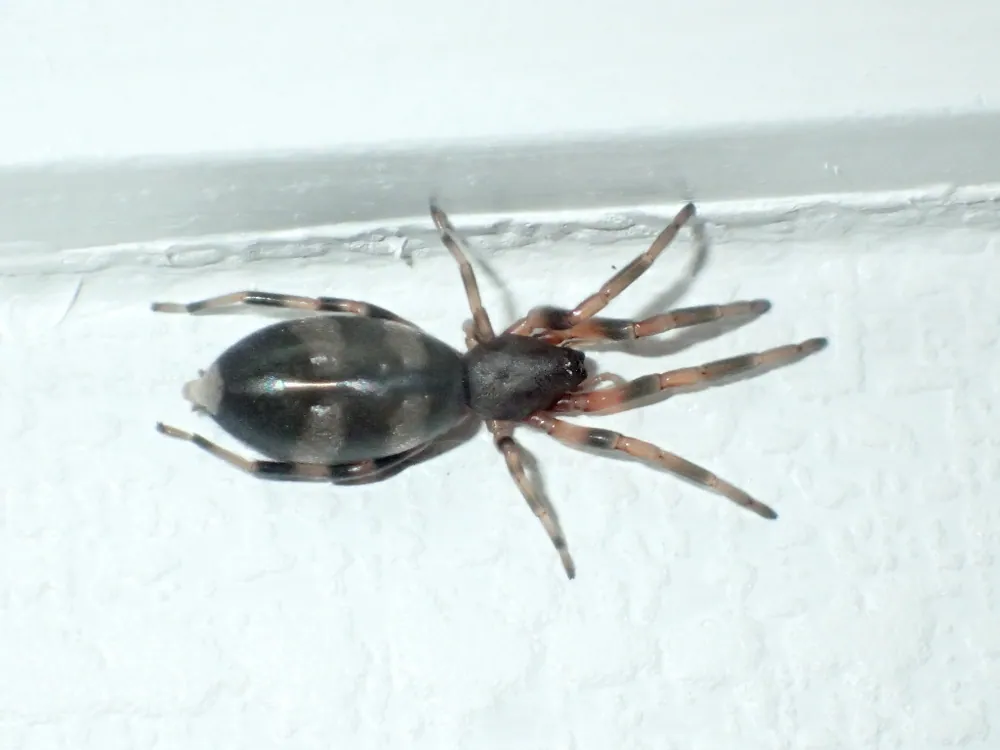
 Svona þekkir þú það
- Slender, cigar-shaped body that is dark reddish to grey.1
- Dark orange-brown legs with bands.1
- Grey abdomen with two pairs of faint white spots.1
- Usually, but not always, a distinct white spot at the tip of the abdomen, just above the spinnerets.1
- Body length up to 18 mm, with a leg span of about 28 mm.1
Oft ruglað saman við: Two common species, Lampona cylindrata and Lampona murina, look very similar and are not easily told apart without a microscope. The name 'white-tail' is also applied to several other spider species that have a white mark at the end of the abdomen.1
Eiturkraftur
Eitrið kemur út um eiturtennurnar eða tennurnar þegar það bítur.
Hvað gerir eitrið þegar það bítur eða stingur?
Their venom is used to subdue prey. In people, a bite usually causes a small red or discoloured bump, with pain, local swelling and itchiness. Rarely, it causes nausea, vomiting, malaise (a general feeling of being unwell) or headache. These symptoms are generally mild and resolve over time.1
Hversu hættulegt er það fólki?
Hætta fyrir fólk: SársaukafulltÞað getur verið mjög sárt, en það er nánast aldrei alvarlegt.Bites are reported in people, but studies found the effects are usually local and mild. A study of 130 confirmed bites found no necrotic ulcers (tissue death) and no confirmed infections. No deaths are mentioned.1
 Ef það bítur
- Þvoðu bitið og settu kælipoka á það við verknum. Fáðu læknishjálp ef verkurinn er mikill, breiðist út eða manneskjunni líður illa.
Hringdu alltaf fyrst í neyðarnúmerið (112, 000, 911). Þetta eru almennar leiðbeiningar um skyndihjálp, ekki læknisráð. Grunnatriði skyndihjálpar
 Farðu varlega
- Aldrei snerta, ná í eða stríða villtu dýri, ekki einu sinni litlu, og ekki einu sinni ef það virðist sofa eða vera dautt.
- Gefðu því pláss. Ef þú hittir eitt, haltu ró þinni, bakkaðu hægt og leyfðu því að fara sína leið.
- Ef eitt slíkt bítur þig: haltu ró þinni, vertu kyrr, hringdu í neyðarnúmerið (112, 000, 911) eða komdu þér fljótt á sjúkrahús. Mundu hvernig það leit út, mynd hjálpar.
Það er ekki á eftir þér. Það notar eitrið til að veiða sér til matar eða verja sig, og það vill miklu frekar fela sig. Meira um að fara varlega
Hvar í heiminum?
Hversu stórt er það?
Hversu langt er það?
 styttra en litli fingurinn þinn
Hversu stórt er Eastern white-tailed spider miðað við ÞIG?
Bara reikningur í vafranum þínum. Ekkert er vistað eða sent neitt.
Hversu hratt er það?


Staðreyndir
The necrotic ulcers once blamed on these spiders were not confirmed. A scientific study found other causes, mostly infections.1
White-tailed spiders do not build webs. They hunt actively, often at night.1
The white tail marking remains into adulthood, while other markings fade with each moult.1
Many people think there is only one white-tailed spider species, but the two common species look so alike that more species may still be unidentified.1
Both common species have been introduced to New Zealand, where Lampona cylindrata has spread across the South Island since 1980.1
Goðsagnabani
Goðsögn: White-tailed spider bites cause flesh-eating ulcers (necrosis).
Sannleikur: A study of 130 confirmed bites found no necrotic ulcers or confirmed infections. Symptoms are usually mild, with a red mark, pain, swelling and itchiness.1
Hvaðan staðreyndirnar koma
- White-tailed spider (Wikipedia (CC BY-SA 4.0))
- Lampona murina (iNaturalist): nöfn og flokkun.
- Venom Wiki: hættustigið, dæmigerða stærðin og ágiskaði hraðinn eru okkar eigið mat. Sjáðu hvernig við finnum það út: Svona metum við hættuna.
Hver staðreynd á þessari síðu hefur númer sem vísar á heimildina. Ef við höfum rangt fyrir okkur, fyrirgefðu, við erum dýraaðdáendur, ekki vísindatímarit. Láttu okkur vita á [email protected] og við lögum það.
 Sporðdrekinn er svangur! Venom Wiki er eins manns verkefni: ókeypis, án auglýsinga og án rakningar. Smá þjórfé hjálpar til við að halda því á netinu.Gefðu sporðdrekanum að borða
 Redback spider
 Katipo
 White-tailed spider
 Peacock spider
 Badge huntsman spider
 Black house spider
 Strandtaipan
 Algeng dauðanaðra
 Austræn brúnslanga
 Innlandstaipan
 Sydney-trektarkönguló
 Tígrisslanga