
 Africa
 Asia
Asia Europa
 Sud America
 Australia e Oceania
 Antartide
 Oceano Pacifico
 Oceano Atlantico
 Oceano Indiano
 Oceano Artico
 Mar Mediterraneo
 Mar Rosso
 Mar dei Caraibi
 Mar dei Coralli
 Mar Cinese Meridionale
 Mar delle Filippine
 Mare delle Andamane
 Mare del Nord
 Mar di Timor e Mar degli Arafura
 Golfo del Bengala
 Golfo di California
Boomslang
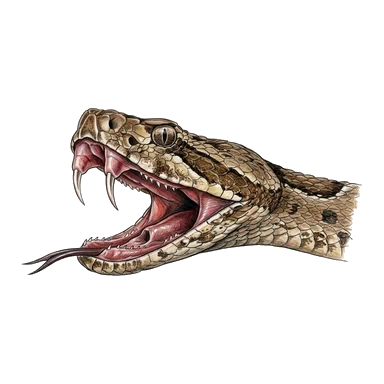 Morsi
MorsiThe boomslang is a highly venomous tree snake from Sub-Saharan Africa. It spends most of its time in trees and bushes, though it also hunts and shelters on the ground. Its venom works slowly, so a bite can look harmless at first and still be life-threatening.1
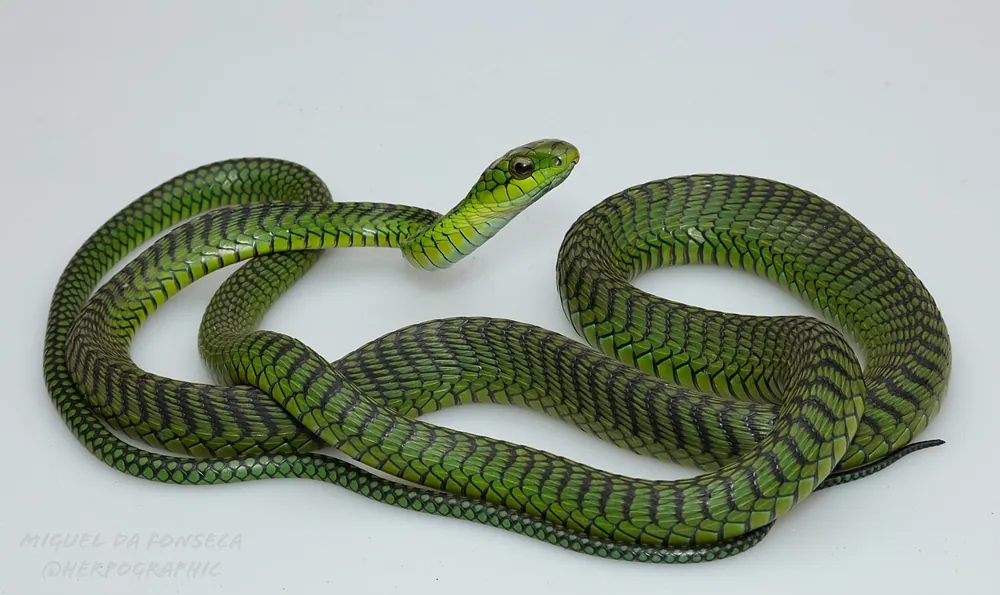
 Come riconoscerlo
Potere del veleno
Il veleno esce dalle zanne o dai denti quando morde.
Cosa fa il suo veleno?
Its venom is mainly a haemotoxin, a type of venom that disrupts blood clotting. Many tiny clots form in the blood, causing bleeding in tissues such as muscle and the brain, while the small blood vessels become clogged. Symptoms include headache, nausea, sleepiness and confusion, and can lead to cardiac arrest and unconsciousness. Because the venom is slow-acting, symptoms may not appear until many hours after a bite.1
Quanto è pericoloso per le persone?
Pericolo per le persone: Molto pericolosoPuò uccidere una persona che non riceve cure.Bites can be fatal. Of eight serious envenomations reported between 1919 and 1962, two were lethal. In 1957, a herpetologist died after being bitten by a juvenile. Hatchlings about 45 cm long are already dangerously venomous. Delayed symptoms can lead victims to wrongly believe a bite was a harmless dry bite.1
 Buone notizie: i medici hanno una medicina (il siero antiveleno) o una cura per questo.1
Cosa fa quando ha paura?
It is timid and usually bites only when people try to handle, catch, chase or kill it. When cornered, it inflates its neck and takes an S-shaped striking pose.1
 Se morde
- Antivenom is available and treatment is needed after a bite. Complete blood transfusions may also be required, especially if more than 24 to 48 hours pass without antivenom. Do not assume a bite is harmless just because no symptoms have appeared.1
- Lava il morso, tieni calma la persona e cerca aiuto medico. Alcune specie (come il boomslang) possono essere mortali ore dopo.
Chiama sempre prima il numero di emergenza (112, 000, 911). Queste sono indicazioni generali di primo soccorso, non consigli medici. Primo soccorso di base
 Stai al sicuro
- Non toccare, catturare o stuzzicare mai un animale selvatico, anche se è piccolo e anche se sembra addormentato o morto.
- Lasciagli spazio. Se ne incontri uno, resta calmo, indietreggia piano e lascialo andare per la sua strada.
- Se uno ti morde: resta calmo, stai fermo, chiama il numero di emergenza (112, 000, 911) o vai subito in ospedale. Ricorda com'era, una foto aiuta.
Non ce l'ha con te. Usa il veleno per procurarsi il cibo o per difendersi, e preferisce di gran lunga nascondersi. Altro su come stare al sicuro
Dove nel mondo?
Quanto è grande?
Quanto è lungo?
Quanto pesa?
 lungo come 4 gatti di casa dal naso alla coda
 lungo come 10 banane in fila
 potrebbe percorrere 100 metri in 60 secondi (l'uomo più veloce ci mette 9,6)
Quanto è grande Boomslang rispetto a TE?
Solo calcoli nel tuo browser. Niente viene salvato o inviato da nessuna parte.
Quanto è veloce?


Informazioni
An adult has only 1.6 to 8 mg of venom, but it is thought that 2 to 3 mg could be enough to kill a healthy adult human.1
It can open its jaws up to 170 degrees when biting.1
Its head is distinctly egg-shaped, and its eyes are exceptionally large.1
It often moves its head from side to side to get a better view of objects directly in front of it.1
When it is pursued by something too large to eat, it escapes by moving from branch to branch.1
Sfatiamo i miti
Mito: Rear-fanged snakes cannot produce a lethal bite.
Verità: For a long time many herpetologists believed this, but boomslang bites have caused deaths.1
Per gli esperti di veleni
- Nome scientifico
- Dispholidus typus
- Gruppo
- Serpenti con le zanne posteriori
- Famiglia
- Colubridae2
- Ordine
- Squamata
- Continenti
- Africa
- Cuccioli
- It lays eggs, on average 8 to 14 (up to 27 have been observed), in a hollow tree trunk or rotting log. The eggs take about 3 months to hatch.1
- Pericolo per le persone
- 4 / 5: Molto pericoloso3
Da dove vengono le informazioni
- Boomslang (Wikipedia (CC BY-SA 4.0))
- Dispholidus typus (iNaturalist): nomi e classificazione.
- Venom Wiki: il livello di pericolo, la taglia tipica e la stima della velocità sono nostri. Guarda come li calcoliamo: Come valutiamo il pericolo.
Ogni informazione in questa pagina ha un numero che rimanda alla sua fonte. Se abbiamo sbagliato qualcosa, scusa, siamo appassionati di animali, non una rivista scientifica. Scrivici a [email protected] e lo correggeremo.
 Lo scorpione ha fame! Venom Wiki è un progetto di una sola persona: gratis, senza pubblicità e senza tracker. Una piccola mancia aiuta a tenerlo online.Dai da mangiare allo scorpione
Altri dello stesso gruppo: Serpenti con le zanne posteriori
 Cape twig snakeSerpenti con le zanne posterioriPuò uccidere
 Forest twig snakeSerpenti con le zanne posterioriPuò uccidere
 Bibron's stiletto snakeSerpenti con le zanne posterioriServe un medico
 Madagascar leaf-nosed snakeSerpenti con le zanne posterioriFa solo male
 Montpellier snakeSerpenti con le zanne posterioriFa solo male
 Eastern twig snakeSerpenti con le zanne posterioriPuò uccidere
 Black mamba
 Deathstalker
 Egyptian cobra
 Puff adder
 Fat-tailed scorpion
 Gaboon viper