
 Africa
 Asia
Asia Europa
 Sud America
 Australia e Oceania
 Antartide
 Oceano Pacifico
 Oceano Atlantico
 Oceano Indiano
 Oceano Artico
 Mar Mediterraneo
 Mar Rosso
 Mar dei Caraibi
 Mar dei Coralli
 Mar Cinese Meridionale
 Mar delle Filippine
 Mare delle Andamane
 Mare del Nord
 Mar di Timor e Mar degli Arafura
 Golfo del Bengala
 Golfo di California
Brown tree snake
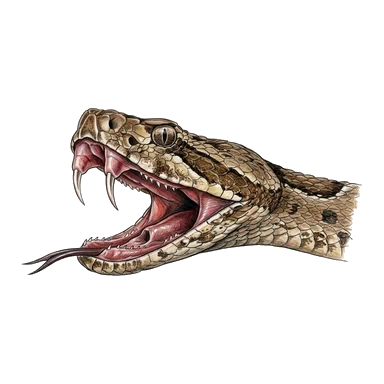 Morsi
MorsiThe brown tree snake is a slender, night-active snake that climbs well and hunts in trees and on the ground. It lives in coastal northern and eastern Australia, eastern Indonesia, Papua New Guinea and nearby islands. It is famous for harming wildlife on the island of Guam, where it was introduced by accident.1
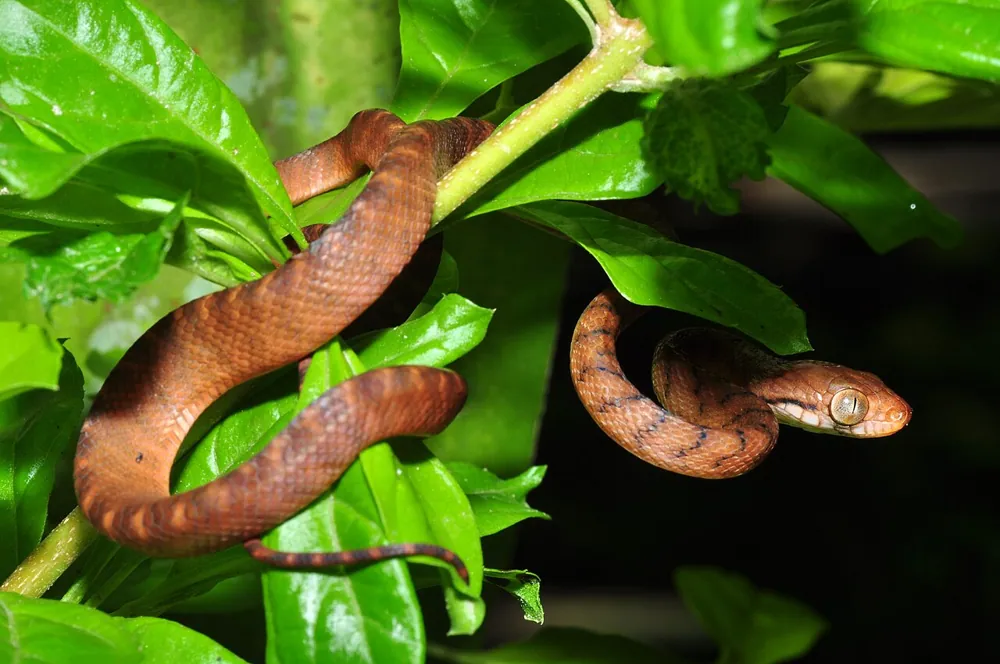
 Come riconoscerlo
Potere del veleno
Il veleno esce dalle zanne o dai denti quando morde.
Cosa fa il suo veleno?
It has two small, grooved fangs at the back of the mouth, so venom flows into the bite slowly rather than being injected in one go. The venom is weakly neurotoxic, meaning it affects the nerves, and may also damage cells locally. Its effects are trivial for adults, and it is mainly used to subdue lizards.1
Quanto è pericoloso per le persone?
Pericolo per le persone: DolorosoPuò fare davvero male, ma non è quasi mai grave.The snake is considered aggressive when threatened but not dangerous to adult humans. Serious medical consequences have been limited to children, who are more affected because of their low body mass. On Guam, it has caused widespread power outages, pet losses and emotional distress to residents.1
Cosa fa quando ha paura?
When threatened it is highly aggressive, lunging and striking at the attacker repeatedly.1
 Se morde
- Lava il morso, tieni calma la persona e cerca aiuto medico. Alcune specie (come il boomslang) possono essere mortali ore dopo.
Chiama sempre prima il numero di emergenza (112, 000, 911). Queste sono indicazioni generali di primo soccorso, non consigli medici. Primo soccorso di base
 Stai al sicuro
- Non toccare, catturare o stuzzicare mai un animale selvatico, anche se è piccolo e anche se sembra addormentato o morto.
- Lasciagli spazio. Se ne incontri uno, resta calmo, indietreggia piano e lascialo andare per la sua strada.
- Se uno ti morde: resta calmo, stai fermo, chiama il numero di emergenza (112, 000, 911) o vai subito in ospedale. Ricorda com'era, una foto aiuta.
Non ce l'ha con te. Usa il veleno per procurarsi il cibo o per difendersi, e preferisce di gran lunga nascondersi. Altro su come stare al sicuro
Dove nel mondo?
Quanto è grande?
Quanto è lungo?
 lungo come 4 gatti di casa dal naso alla coda
 lungo come 11 banane in fila
 potrebbe percorrere 100 metri in 60 secondi (l'uomo più veloce ci mette 9,6)
Quanto è grande Brown tree snake rispetto a TE?
Solo calcoli nel tuo browser. Niente viene salvato o inviato da nessuna parte.
Quanto è veloce?


Informazioni
Snakes on Guam have been seen moving up large smooth cylinders using a method called 'lasso locomotion', which had not been recorded in snakes before. It is tiring, so they move slowly and stop often.1
On Guam, where prey is plentiful and there are few predators, the snakes have grown to 3 m, much longer than their typical 1 to 2 m in their native range.1
Shortly after World War II, the snake reached Guam by accident, probably as a stowaway in ship cargo or in aircraft landing gear. Its numbers then grew to unprecedented levels.1
Trained dogs are used on Guam to find and remove snakes before cargo and transport vessels leave the island.1
Female brown tree snakes have been seen performing courtship behaviours normally used by males, such as tongue-flicking and head-jerking.1
Brown tree snakes can survive for long periods without food.1
Sfatiamo i miti
Mito: The brown tree snake is a deadly snake that is dangerous to adults.
Verità: It is not considered dangerous to adult humans. Its venom is weak and serious effects have mainly been seen in young children.1
Per gli esperti di veleni
- Nome scientifico
- Boiga irregularis
- Gruppo
- Serpenti con le zanne posteriori
- Famiglia
- Colubridae2
- Ordine
- Squamata
- Continenti
- Asia, Australia e Oceania
- Cuccioli
- The female lays 4 to 12 oblong eggs with leathery shells and may lay up to two clutches a year. The eggs hatch about 90 days later.1
- Pericolo per le persone
- 2 / 5: Doloroso3
Da dove vengono le informazioni
- Brown tree snake (Wikipedia (CC BY-SA 4.0))
- Boiga irregularis (iNaturalist): nomi e classificazione.
- Venom Wiki: il livello di pericolo, la taglia tipica e la stima della velocità sono nostri. Guarda come li calcoliamo: Come valutiamo il pericolo.
Ogni informazione in questa pagina ha un numero che rimanda alla sua fonte. Se abbiamo sbagliato qualcosa, scusa, siamo appassionati di animali, non una rivista scientifica. Scrivici a [email protected] e lo correggeremo.
 Lo scorpione ha fame! Venom Wiki è un progetto di una sola persona: gratis, senza pubblicità e senza tracker. Una piccola mancia aiuta a tenerlo online.Dai da mangiare allo scorpione
Altri dello stesso gruppo: Serpenti con le zanne posteriori
 Tiger keelbackSerpenti con le zanne posterioriPuò uccidere
 Red-necked keelbackSerpenti con le zanne posterioriServe un medico
 Green cat snakeSerpenti con le zanne posterioriFa solo male
 Mangrove snakeSerpenti con le zanne posterioriFa solo male
 Asian vine snakeSerpenti con le zanne posterioriInnocuo
 Golden tree snakeSerpenti con le zanne posterioriInnocuo
 Deathstalker
 Indian cobra
 Indian saw-scaled viper
 King cobra
 Puff adder
 Vipera di Russell
_(8387580552).jpg)