
 აფრიკა
 აზია
აზია ევროპა
 სამხრეთ ამერიკა
 ავსტრალია და ოკეანეთი
 ანტარქტიდა
 წყნარი ოკეანე
 ატლანტის ოკეანე
 ინდოეთის ოკეანე
 ჩრდილოეთის ყინულოვანი ოკეანე
 ხმელთაშუა ზღვა
 წითელი ზღვა
 კარიბის ზღვა
 მარჯნის ზღვა
 სამხრეთ ჩინეთის ზღვა
 ფილიპინების ზღვა
 ანდამანის ზღვა
 ჩრდილოეთის ზღვა
 ტიმორისა და არაფურას ზღვები
 ბენგალის ყურე
 კალიფორნიის ყურე
Katipo
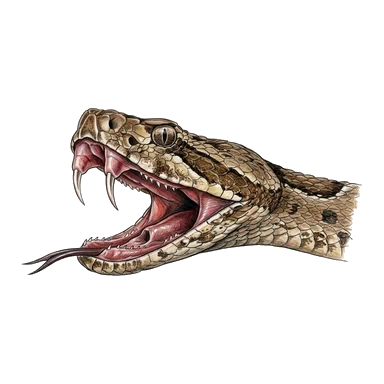 კბენა
კბენაThe katipō is a cobweb spider found only in New Zealand, where it lives in coastal sand dunes. It is closely related to the Australian redback spider. Its bite is venomous to people, but bites are rare.1
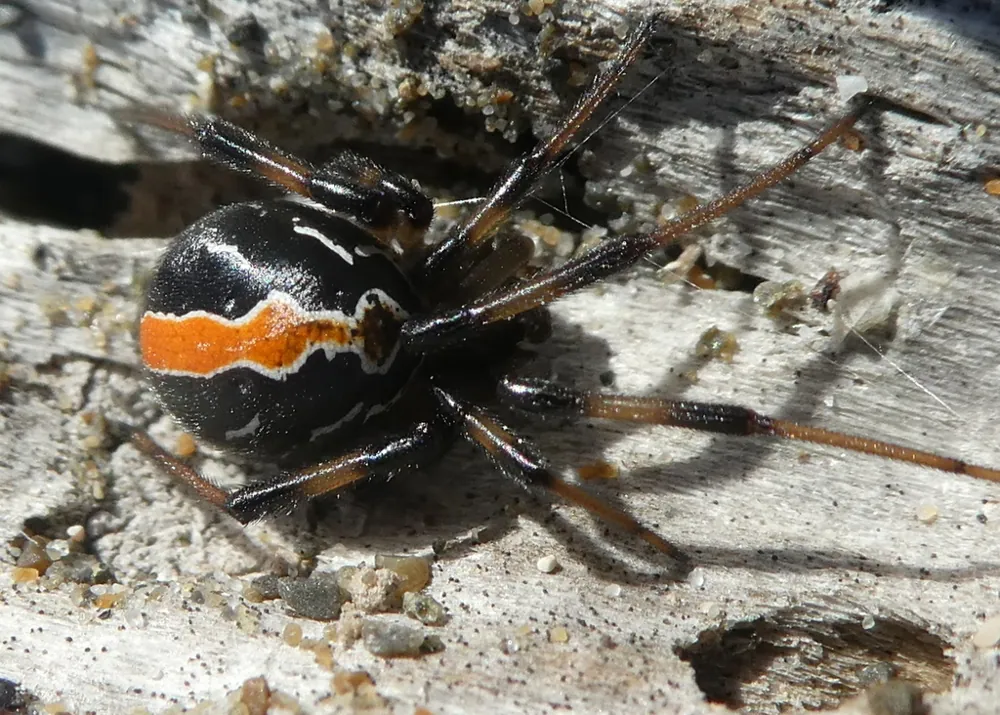
 როგორ ამოიცნო
- Adult females have a body length of 8–10 mm (about 0.3–0.4 in).1
- The red katipō, found in the South Island and lower North Island, has a large black, shiny abdomen with a white-bordered orange or red stripe on top, and a red hourglass-shaped marking underneath.1
- The black katipō, found in the upper North Island, has no upper red or orange stripe and is somewhat lighter in colour.1
- Males are 4–5 mm long, white with black stripes and red hourglass-shaped markings.1
ხშირად ურევენ: Steatoda species, which share the same habitat, are very similar and are called "false katipō" in New Zealand. The katipō has a less shiny, more tapered abdomen, and its side eyes are further apart. It is also similar to the redback, but the katipō has only short hair-like spines on its abdomen, while the redback has a mix of long and short ones.1
შხამის ძალა
კბენისას შხამი ეშვებიდან ან კბილებიდან გამოდის.
რას აკეთებს მისი შხამი?
The bite can cause latrodectism, a toxic syndrome that affects the nerves and body. Symptoms include extreme pain and, potentially, high blood pressure (hypertension) or seizures.1
რამდენად საშიშია ადამიანებისთვის?
საშიშროება ადამიანებისთვის: სერიოზულინაკბენის შემდეგ ექიმი გჭირდება. სიკვდილი ძალიან იშვიათია.Katipō are venomous to humans, but bites are described as rare. Serious symptoms are possible, including extreme pain, high blood pressure and seizures.1
 კარგი ამბავი: ექიმებს ამისთვის აქვთ წამალი (შხამსაწინააღმდეგო შრატი) ან მკურნალობა.1
 თუ კბენს
- გარეცხე ნაკბენი და ტკივილისთვის დაადე ყინულის პარკი. მიმართე სამედიცინო დახმარებას, თუ ტკივილი ძლიერია, ვრცელდება ან ადამიანი თავს ცუდად გრძნობს.
ყოველთვის ჯერ გადაუდებელი დახმარების ნომერზე დარეკე (112, 000, 911). ეს პირველადი დახმარების ზოგადი რჩევებია და არა სამედიცინო კონსულტაცია. პირველადი დახმარების საფუძვლები
 იყავი უსაფრთხოდ
- არასდროს შეეხო ველურ ცხოველს, არ დაიჭირო და არ გააღიზიანო, თუნდაც პატარა იყოს, და მაშინაც კი, თუ მძინარე ან მკვდარი ჩანს.
- დაუთმე მას სივრცე. თუ შეხვდები, დარჩი მშვიდად, ნელა დაიხიე უკან და გაუშვი თავისი გზით.
- თუ რომელიმე გიკბენს: დარჩი მშვიდად, არ იმოძრაო, დარეკე გადაუდებელი დახმარების ნომერზე (112, 000, 911) ან სწრაფად მიდი საავადმყოფოში. დაიმახსოვრე, როგორ გამოიყურებოდა, ფოტო დაგეხმარება.
ის შენზე არ ნადირობს. შხამს საკვების დასაჭერად ან თავის დასაცავად იყენებს და ურჩევნია, დაიმალოს. მეტი უსაფრთხოების შესახებ
რა ზომისაა?
რა სიგრძისაა?
 იმდენად პატარა, რომ შენს ფრჩხილზე დაეტევა
რამდენად დიდია Katipo შენთან შედარებით?
მხოლოდ მათემატიკა შენს ბრაუზერში. არაფერი ინახება და არსად იგზავნება.
რამდენად სწრაფია?


ფაქტები
In one 24-hour study of young spiders, 28% left the web by ballooning, carried by air currents.1
Katipō is one of the few Māori words that refers to a specific species of spider.1
The female does not usually eat the male after mating, unlike some other widow spiders.1
Females cover their egg sacs with silk and sand, which partly hides them in the web.1
The katipō is found only in New Zealand.1
მითების მსხვრეველი
მითი: The katipō is just a form of the redback spider.
სიმართლე: The katipō is genetically and physically distinct from the redback, even though the two are closely related. It was once thought to be a subspecies of the redback.1
შხამის ექსპერტებისთვის
- სამეცნიერო სახელი
- Latrodectus katipo
- ჯგუფი
- ობობები
- ოჯახი
- Theridiidae2
- რიგი
- Araneae
- კონტინენტები
- ავსტრალია და ოკეანეთი
- ჩვილები
- The female lays five or six egg sacs in November or December, with about 70 to 90 eggs in each. The young hatch after 20–25 days and leave the egg sac in January and February.1
- მისი მდგომარეობა ველურ ბუნებაში
- In serious decline (New Zealand Threat Classification System)1
- საშიშროება ადამიანებისთვის
- 3 / 5: სერიოზული3
საიდან მოდის ფაქტები
- Katipō (Wikipedia (CC BY-SA 4.0))
- Latrodectus katipo (iNaturalist): სახელები და კლასიფიკაცია.
- Venom Wiki: საშიშროების დონე, ტიპური ზომა და სიჩქარის ვარაუდი ჩვენია. ნახე, როგორ ვითვლით მათ: როგორ ვაფასებთ საშიშროებას.
ამ გვერდზე ყველა ფაქტს აქვს ნომერი, რომელიც მის წყაროზე მიუთითებს. თუ რამე შეგვეშალა, ბოდიში, ჩვენ ცხოველების მოყვარულები ვართ და არა სამეცნიერო ჟურნალი. მოგვწერე მისამართზე [email protected] და გავასწორებთ.
 მორიელს შია! Venom Wiki ერთი ადამიანის პროექტია: უფასო, რეკლამისა და თვალთვალის გარეშე. პატარა შემოწირულობა მის ონლაინ შენარჩუნებას უწყობს ხელს.აჭამე მორიელს
მეტი იმავე ჯგუფიდან: ობობები
 Redback spider
 White-tailed spider
 Peacock spider
 Badge huntsman spider
 Black house spider
 Eastern white-tailed spider
ასევე ცხოვრობს: ავსტრალია და ოკეანეთი
 Coastal taipanავსტრალიური გველებიმომაკვდინებელი
 Common death adderავსტრალიური გველებიმომაკვდინებელი
 Eastern brown snakeავსტრალიური გველებიმომაკვდინებელი
 Inland taipanავსტრალიური გველებიმომაკვდინებელი
 Sydney funnel-web spiderტარანტულები და ძაბრისებრი ქსელის ობობებიმომაკვდინებელი
 Tiger snakeავსტრალიური გველებიმომაკვდინებელი