
 Африка
 Азия
Азия Еуропа
 Оңтүстік Америка
 Австралия және Океания
 Антарктида
 Тынық мұхиты
 Атлант мұхиты
 Үнді мұхиты
 Солтүстік Мұзды мұхит
 Жерорта теңізі
 Қызыл теңіз
 Кариб теңізі
 Маржан теңізі
 Оңтүстік Қытай теңізі
 Филиппин теңізі
 Андаман теңізі
 Солтүстік теңіз
 Тимор теңізі және Арафур теңізі
 Бенгал шығанағы
 Калифорния шығанағы
Katipo
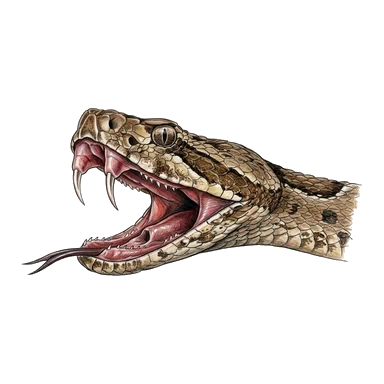 Тістейді
The katipō is a cobweb spider found only in New Zealand, where it lives in coastal sand dunes. It is closely related to the Australian redback spider. Its bite is venomous to people, but bites are rare.1

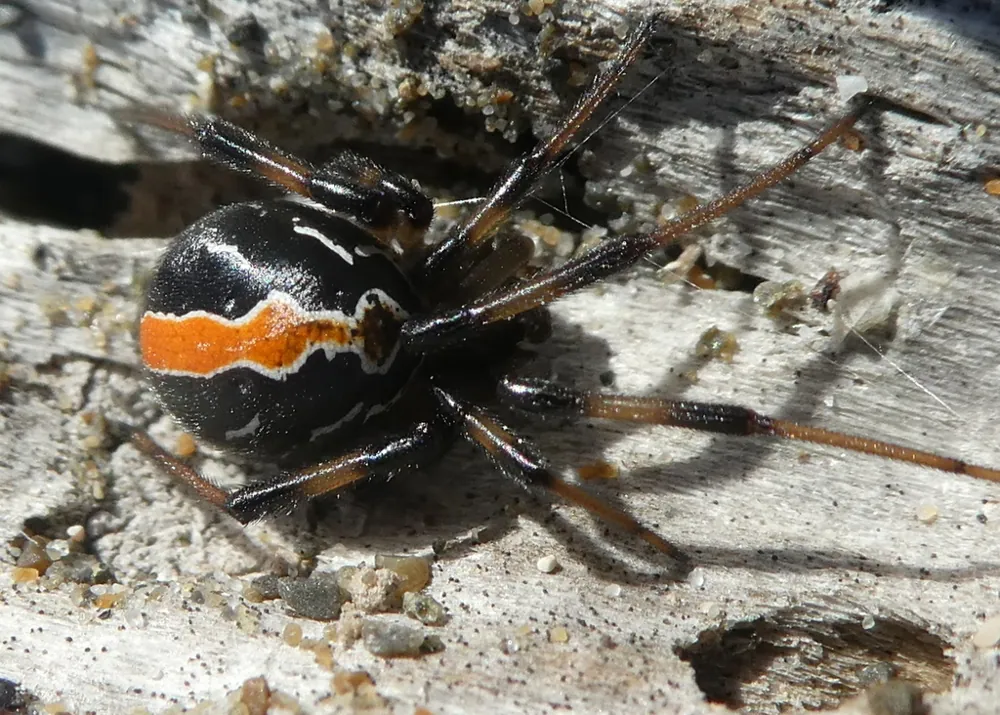
 Оны қалай тануға болады
- Adult females have a body length of 8–10 mm (about 0.3–0.4 in).1
- The red katipō, found in the South Island and lower North Island, has a large black, shiny abdomen with a white-bordered orange or red stripe on top, and a red hourglass-shaped marking underneath.1
- The black katipō, found in the upper North Island, has no upper red or orange stripe and is somewhat lighter in colour.1
- Males are 4–5 mm long, white with black stripes and red hourglass-shaped markings.1
Жиі шатастырады: Steatoda species, which share the same habitat, are very similar and are called "false katipō" in New Zealand. The katipō has a less shiny, more tapered abdomen, and its side eyes are further apart. It is also similar to the redback, but the katipō has only short hair-like spines on its abdomen, while the redback has a mix of long and short ones.1
У күші
У тістегенде улы тістері арқылы шығады.
Ол тістегенде не шаққанда уы не істейді?
The bite can cause latrodectism, a toxic syndrome that affects the nerves and body. Symptoms include extreme pain and, potentially, high blood pressure (hypertension) or seizures.1
Адамдарға қаншалықты қауіпті?
Адамдарға қауіп: АуырТістесе, дәрігер керек. Өлім жағдайлары өте сирек.Katipō are venomous to humans, but bites are described as rare. Serious symptoms are possible, including extreme pain, high blood pressure and seizures.1
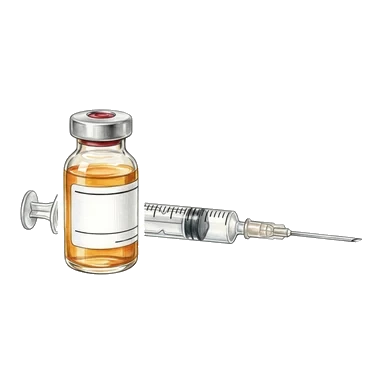 Жақсы жаңалық: дәрігерлерде бұған қарсы дәрі (уға қарсы сарысу) немесе емдеу әдісі бар.1
 Егер тістесе
- Тістеген жерді жу және ауырсынуды басу үшін мұз пакетін қой. Ауыру қатты болса, таралса немесе адамның жағдайы нашарласа, медициналық көмек ал.
Әрқашан алдымен шұғыл көмек нөміріне қоңырау шал (112, 000, 911). Бұл алғашқы көмек бойынша жалпы нұсқаулық, медициналық кеңес емес. Алғашқы көмек негіздері
 Қауіпсіз бол
- Жабайы жануарды ешқашан ұстама, қолға алма және мазақтама, тіпті кішкентай болса да, тіпті ұйықтап жатқандай не өлі сияқты көрінсе де.
- Оған жол бер. Егер кездестірсең, сабырлы бол, ақырын артқа шегін және оны өз жолымен кетуге жібер.
- Егер біреуі сені тістесе: сабырлы бол, қозғалма, шұғыл көмек нөміріне (112, 000, 911) қоңырау шал немесе тез ауруханаға жет. Оның қандай болғанын есіңде сақта, сурет көмектеседі.
Ол саған шабуыл жасағысы келмейді. Ол уын тамақ аулау немесе өзін қорғау үшін қолданады және жасырынғанды әлдеқайда жақсы көреді. Қауіпсіздік туралы толығырақ
Әлемнің қай жерінде?
Ол қаншалықты үлкен?
Ол қаншалықты ұзын?
 тырнағыңның үстіне сыйып кететіндей кішкентай
Katipo СЕНІМЕН салыстырғанда қаншалықты үлкен?
Тек браузеріңдегі есептеу. Ештеңе сақталмайды және ешқайда жіберілмейді.
Ол қаншалықты жылдам?


Деректер
In one 24-hour study of young spiders, 28% left the web by ballooning, carried by air currents.1
Katipō is one of the few Māori words that refers to a specific species of spider.1
The female does not usually eat the male after mating, unlike some other widow spiders.1
Females cover their egg sacs with silk and sand, which partly hides them in the web.1
The katipō is found only in New Zealand.1
Аңыз жоюшы
Аңыз: The katipō is just a form of the redback spider.
Шындық: The katipō is genetically and physically distinct from the redback, even though the two are closely related. It was once thought to be a subspecies of the redback.1
Улардың сарапшыларына арналған
- Ғылыми атауы
- Latrodectus katipo
- Топ
- Өрмекшілер
- Отбасы
- Theridiidae2
- Реттеу
- Araneae
- Құрлықтар
- Австралия және Океания
- Сәбилер
- The female lays five or six egg sacs in November or December, with about 70 to 90 eggs in each. The young hatch after 20–25 days and leave the egg sac in January and February.1
- Табиғатта жағдайы қалай
- In serious decline (New Zealand Threat Classification System)1
- Адамдарға қауіп
- 3 / 5: Ауыр3
Деректер қайдан алынған
- Katipō (Wikipedia (CC BY-SA 4.0))
- Latrodectus katipo (iNaturalist): атаулары мен жіктелуі.
- Venom Wiki: қауіп деңгейі, әдеттегі өлшемі және жылдамдық болжамы біздікі. Оларды қалай есептейтінімізді қара: Қауіпті қалай бағалаймыз.
Бұл беттегі әр деректің дереккөзіне сілтейтін нөмірі бар. Егер бірдеңені қате жазсақ, кешір, біз ғылыми журнал емес, жануарлардың жанкүйерлеріміз. Бізге [email protected] мекенжайына жаз, түзетеміз.
 Шаян аш! Venom Wiki бір адамның жобасы: тегін, жарнамасыз және бақылаушыларсыз. Кішкене сыйақы оның интернетте жұмыс істей беруіне көмектеседі.Шаянды тамақтандыр
Осы топтан тағы: Өрмекшілер
 Redback spider
 White-tailed spider
 Peacock spider
 Badge huntsman spider
 Black house spider
 Eastern white-tailed spider
Тағы мекендейтін жері: Австралия және Океания
 Coastal taipanАвстралия жыландарыӨлімге әкелетін
 Common death adderАвстралия жыландарыӨлімге әкелетін
 Eastern brown snakeАвстралия жыландарыӨлімге әкелетін
 Ішкі тайпанАвстралия жыландарыӨлімге әкелетін
 Sydney funnel-web spiderТарантулдар мен құйғыш торлы өрмекшілерӨлімге әкелетін
 Жолбарыс жыланАвстралия жыландарыӨлімге әкелетін