
 អាហ្វ្រិក
 អាស៊ី
អាស៊ី អឺរ៉ុប
 អាមេរិកខាងត្បូង
 អូស្ត្រាលី និងអូសេអានី
 អង់តាក់ទិក
 មហាសមុទ្រប៉ាស៊ីហ្វិក
 មហាសមុទ្រអាត្លង់ទិក
 មហាសមុទ្រឥណ្ឌា
 មហាសមុទ្រអាកទិក
 សមុទ្រមេឌីទែរ៉ាណេ
 សមុទ្រក្រហម
 សមុទ្រការ៉ាអ៊ីប
 សមុទ្រផ្កាថ្ម
 សមុទ្រចិនខាងត្បូង
 សមុទ្រហ្វីលីពីន
 សមុទ្រអង់ដាម៉ាន់
 សមុទ្រខាងជើង
 សមុទ្រទីម័រ និងសមុទ្រអារ៉ាហ្វូរ៉ា
 ឈូងសមុទ្របេងហ្គាល់
 ឈូងសមុទ្រកាលីហ្វ័រញ៉ា
Brazilian lancehead
 ខាំ
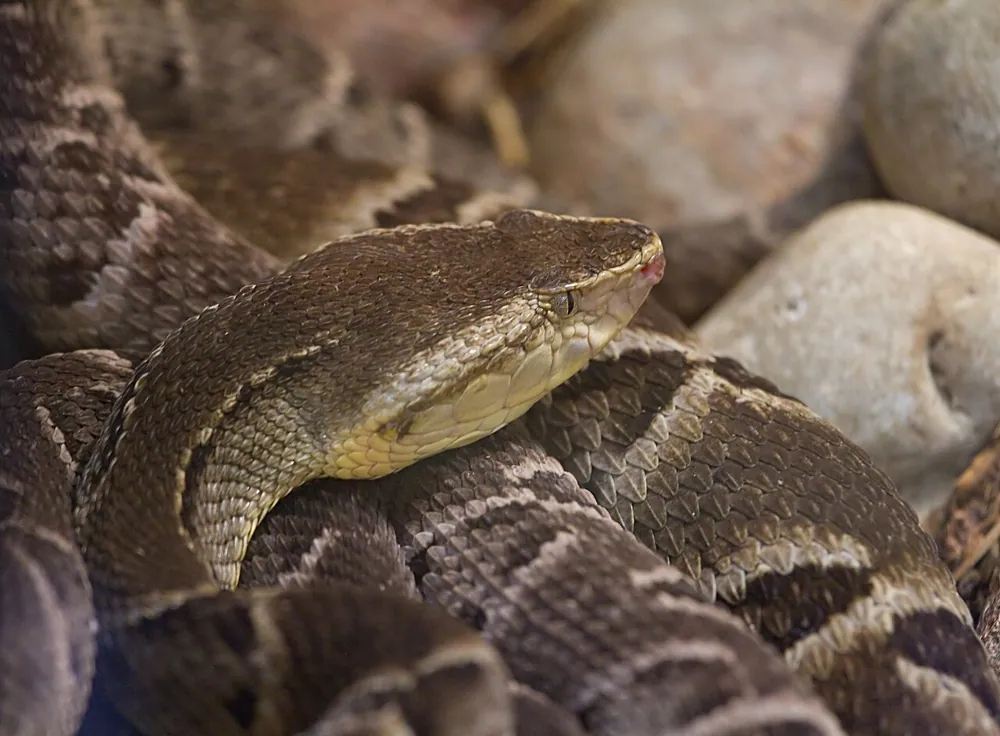
ខាំThe Brazilian lancehead is a highly venomous snake, a type of pit viper, found in South America. It lives in forests and open woodland in Brazil and nearby countries, and it hunts mostly at night. Its venom damages muscle and blood, so bites need urgent medical care.1



 របៀបស្គាល់វា
- Tan, grey-brown or olive-grey body with 14–21 trapezoidal side markings that are dark grey or black.1
- Belly is usually white or cream, with scattered dark grey spots.1
- Broad head is flattened into a lance shape when seen from above, and is distinct from the narrow neck.1
- Eyes have vertically elliptical (cat-like) pupils.1
- Juveniles have a white tail.1
អំណាចពិស
ពិសចេញតាមចង្កូម ឬធ្មេញរបស់វា នៅពេលវាខាំ។
តើពិសរបស់វាធ្វើអ្វី?
Its venom is haemolytic (it breaks down red blood cells) and proteolytic (it breaks down proteins). A muscle-damaging component causes necrosis, meaning the muscle tissue dies, and the venom also stops blood from clotting. Symptoms may include intense local pain, swelling and muscle death, and the venom can cause severe bleeding and strokes.1
តើវាគ្រោះថ្នាក់ប៉ុណ្ណាចំពោះមនុស្ស?
គ្រោះថ្នាក់ចំពោះមនុស្ស: គ្រោះថ្នាក់ខ្លាំងវាអាចសម្លាប់មនុស្សដែលមិនបានទទួលការព្យាបាល។This snake is highly venomous. Its venom can cause severe haemorrhage (serious bleeding) and strokes.1
តើវាធ្វើអ្វីនៅពេលវាខ្លាច?
It is considered very defensive.1
 ប្រសិនបើវាខាំ
- ទុកឱ្យអ្នករងគ្រោះនៅស្ងៀម និងស្ងប់ ទុកអវយវៈដែលត្រូវខាំឱ្យនៅកម្រិតបេះដូង ដោះចិញ្ចៀន និងរបស់ដែលតឹងៗចេញ ហើយទៅមន្ទីរពេទ្យឱ្យបានលឿន។
ត្រូវទូរស័ព្ទទៅលេខសង្គ្រោះបន្ទាន់ជាមុនសិនជានិច្ច (112, 000, 911)។ នេះជាការណែនាំសង្គ្រោះបឋមទូទៅ មិនមែនជាដំបូន្មានវេជ្ជសាស្ត្រទេ។ មូលដ្ឋាននៃការសង្គ្រោះបឋម
 រក្សាសុវត្ថិភាព
- កុំប៉ះ ចាប់ ឬរំខានសត្វព្រៃជាដាច់ខាត ទោះបីវាតូចក៏ដោយ ហើយទោះបីវាមើលទៅដូចជាកំពុងដេក ឬងាប់ក៏ដោយ។
- ទុកចន្លោះឱ្យវា។ ប្រសិនបើអ្នកជួបវា ចូរនៅស្ងប់ ថយក្រោយយឺតៗ ហើយទុកឱ្យវាទៅតាមផ្លូវរបស់វា។
- ប្រសិនបើវាខាំអ្នក៖ ចូរនៅស្ងប់ នៅស្ងៀម ទូរស័ព្ទទៅលេខសង្គ្រោះបន្ទាន់ (112, 000, 911) ឬទៅមន្ទីរពេទ្យឱ្យបានលឿន។ ចងចាំថាវាមានរូបរាងយ៉ាងដូចម្តេច រូបថតមួយអាចជួយបាន។
វាមិនមែនចង់តាមចាប់អ្នកទេ។ វាប្រើពិសរបស់វាដើម្បីចាប់ចំណី ឬការពារខ្លួន ហើយវាចូលចិត្តលាក់ខ្លួនជាង។ បន្ថែមទៀតអំពីការរក្សាសុវត្ថិភាព
នៅកន្លែងណាក្នុងពិភពលោក?
តើវាធំប៉ុណ្ណា?
តើវាវែងប៉ុណ្ណា?
 វែងដូចឆ្មាក្នុងផ្ទះ 5 ក្បាល ពីច្រមុះដល់កន្ទុយ
 វែងដូចចេក 13 ផ្លែតភ្ជាប់គ្នា
 អាចរត់បាន 100 ម៉ែត្រក្នុងរយៈពេល 90 វិនាទី (មនុស្សលឿនបំផុតត្រូវការ 9.6)
តើ Brazilian lancehead ធំប៉ុណ្ណា បើប្រៀបនឹងអ្នក?
គ្រាន់តែជាការគណនានៅក្នុងកម្មវិធីរុករករបស់អ្នក។ គ្មានអ្វីត្រូវបានរក្សាទុក ឬផ្ញើទៅកន្លែងណាទេ។
តើវាលឿនប៉ុណ្ណា?


ការពិត
The venom contains a clotting-related enzyme that can trigger disseminated intravascular coagulation, a serious condition where blood clots and bleeds at the same time.1
Its venom contains a wide range of enzymes, including a muscle-damaging myotoxin.1
The venom yield of adult females averages 335 mg, while newborns average 63 mg.1
It is one of several pit vipers with heat-sensing pits, which help it find prey in the dark.1
It is nocturnal, so it is most active at night.1
សម្រាប់អ្នកជំនាញខាងពិស
- ឈ្មោះវិទ្យាសាស្ត្រ
- Bothrops moojeni
- ក្រុម
- ពស់វ៉ៃពែររណ្តៅ
- គ្រួសារ
- Viperidae2
- លំដាប់
- Squamata
- ទ្វីបនានា
- អាមេរិកខាងត្បូង
- កូនតូចៗ
- It gives birth to live young (viviparous). Gestation lasts around four months, it happens once a year, and a litter is usually 12–14 newborns.1
- អាយុកាល
- ប្រហែល 15 ឆ្នាំ1
- គ្រោះថ្នាក់ចំពោះមនុស្ស
- 4 / 5: គ្រោះថ្នាក់ខ្លាំង3
ការពិតមកពីណា
- Bothrops moojeni (Wikipedia (CC BY-SA 4.0))
- Bothrops moojeni (iNaturalist): ឈ្មោះ និងចំណាត់ថ្នាក់។
- Venom Wiki: កម្រិតគ្រោះថ្នាក់ ទំហំធម្មតា និងការប៉ាន់ស្មានល្បឿន គឺជារបស់យើងផ្ទាល់។ មើលពីរបៀបដែលយើងគណនាវា៖ របៀបដែលយើងវាយតម្លៃគ្រោះថ្នាក់.
ការពិតនីមួយៗនៅលើទំព័រនេះមានលេខដែលចង្អុលទៅប្រភពរបស់វា។ ប្រសិនបើយើងសរសេរខុស សូមអភ័យទោស យើងជាអ្នកស្រឡាញ់សត្វ មិនមែនជាទស្សនាវដ្តីវិទ្យាសាស្ត្រទេ។ ប្រាប់យើងតាម [email protected] ហើយយើងនឹងកែវា។
 ខ្ទួយឃ្លានហើយ! Venom Wiki ជាគម្រោងរបស់មនុស្សម្នាក់៖ ឥតគិតថ្លៃ គ្មានការផ្សាយពាណិជ្ជកម្ម និងគ្មានកម្មវិធីតាមដាន។ ការឧបត្ថម្ភតិចតួចជួយឱ្យវានៅតែដំណើរការលើអ៊ីនធឺណិត។ផ្តល់ចំណីខ្ទួយ
 Terciopelo
 Eyelash viper
 Golden lancehead
 South American bushmaster
 Common lancehead
 Jararaca
 Golden poison frog
 Brazilian wandering spider
 Cane toad
 Peruvian giant centipede
 Bullet ant
 Common vampire bat