
 អាហ្វ្រិក
 អាស៊ី
អាស៊ី អឺរ៉ុប
 អាមេរិកខាងត្បូង
 អូស្ត្រាលី និងអូសេអានី
 អង់តាក់ទិក
 មហាសមុទ្រប៉ាស៊ីហ្វិក
 មហាសមុទ្រអាត្លង់ទិក
 មហាសមុទ្រឥណ្ឌា
 មហាសមុទ្រអាកទិក
 សមុទ្រមេឌីទែរ៉ាណេ
 សមុទ្រក្រហម
 សមុទ្រការ៉ាអ៊ីប
 សមុទ្រផ្កាថ្ម
 សមុទ្រចិនខាងត្បូង
 សមុទ្រហ្វីលីពីន
 សមុទ្រអង់ដាម៉ាន់
 សមុទ្រខាងជើង
 សមុទ្រទីម័រ និងសមុទ្រអារ៉ាហ្វូរ៉ា
 ឈូងសមុទ្របេងហ្គាល់
 ឈូងសមុទ្រកាលីហ្វ័រញ៉ា
Burmese krait
 ខាំ
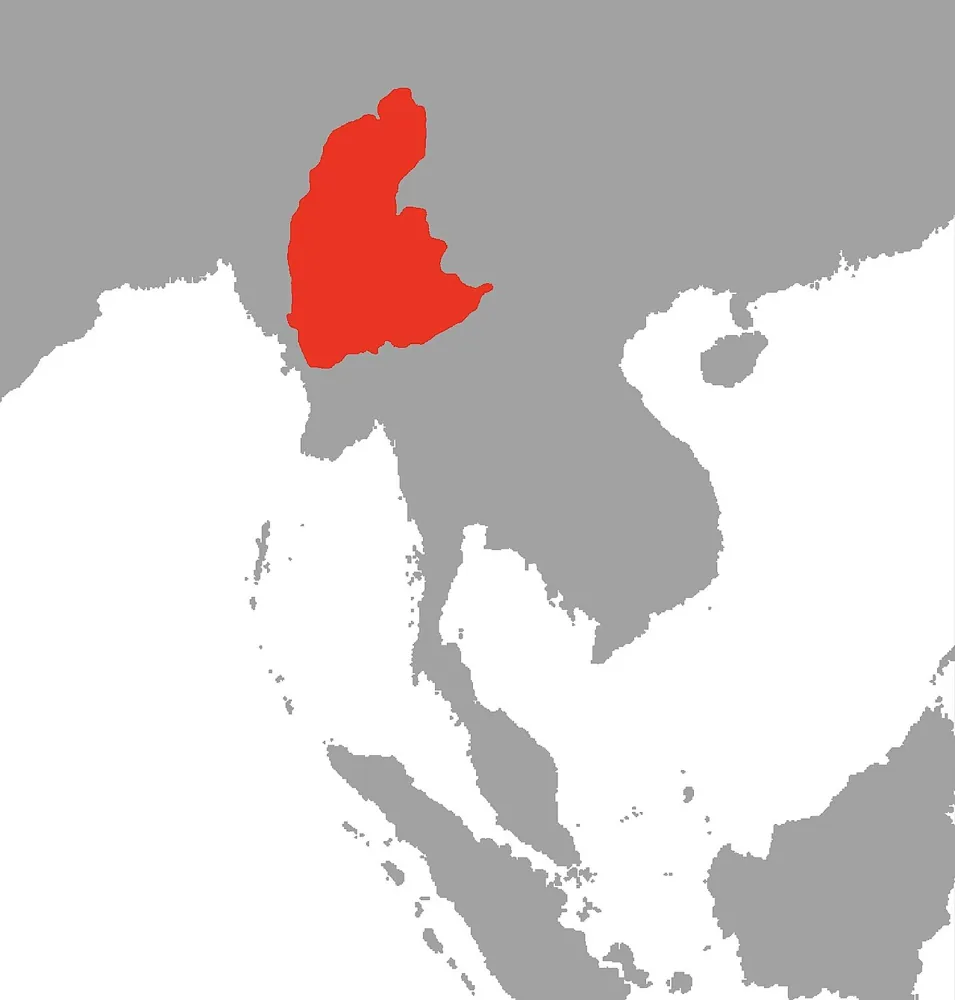
ខាំThe Burmese krait is a venomous snake that lives only in Myanmar. It has broad white bands with black gaps between them, and it is active at night. It is shy and very rarely bites people.1



 របៀបស្គាល់វា
- Slender body with a triangular shape in cross-section1
- 11 to 14 broad white crossbars on the back, each about as wide as the black gaps between them1
- Smooth, glossy scales, and some white scales may have black spots in their centres1
- Flat head that is slightly distinct from the neck, with small to medium eyes and round black pupils1
- Uniformly white belly and a short tail of about 150 mm1
អំណាចពិស
ពិសចេញតាមចង្កូម ឬធ្មេញរបស់វា នៅពេលវាខាំ។
តើពិសរបស់វាធ្វើអ្វី?
Very little is known about its venom. Like other kraits, the venom is potent and contains pre-synaptic and post-synaptic neurotoxins, which attack the nerves.1
តើវាគ្រោះថ្នាក់ប៉ុណ្ណាចំពោះមនុស្ស?
គ្រោះថ្នាក់ចំពោះមនុស្ស: គ្រោះថ្នាក់ខ្លាំងវាអាចសម្លាប់មនុស្សដែលមិនបានទទួលការព្យាបាល។Bites to humans by this snake are exceptionally rare. No well-documented human deaths have been attributed to it. It is very reluctant to bite unless it is repeatedly provoked.1
តើវាធ្វើអ្វីនៅពេលវាខ្លាច?
When molested or threatened, it coils loosely and hides its head beneath its body.1
 ប្រសិនបើវាខាំ
- ទុកឱ្យអ្នករងគ្រោះនៅស្ងៀម និងស្ងប់ ដោះចិញ្ចៀន និងរបស់ដែលតឹងៗចេញ ហើយទៅមន្ទីរពេទ្យឱ្យបានលឿន៖ សេរ៉ូមប្រឆាំងពិស គឺជាការព្យាបាល។
ត្រូវទូរស័ព្ទទៅលេខសង្គ្រោះបន្ទាន់ជាមុនសិនជានិច្ច (112, 000, 911)។ នេះជាការណែនាំសង្គ្រោះបឋមទូទៅ មិនមែនជាដំបូន្មានវេជ្ជសាស្ត្រទេ។ មូលដ្ឋាននៃការសង្គ្រោះបឋម
 រក្សាសុវត្ថិភាព
- កុំប៉ះ ចាប់ ឬរំខានសត្វព្រៃជាដាច់ខាត ទោះបីវាតូចក៏ដោយ ហើយទោះបីវាមើលទៅដូចជាកំពុងដេក ឬងាប់ក៏ដោយ។
- ទុកចន្លោះឱ្យវា។ ប្រសិនបើអ្នកជួបវា ចូរនៅស្ងប់ ថយក្រោយយឺតៗ ហើយទុកឱ្យវាទៅតាមផ្លូវរបស់វា។
- ប្រសិនបើវាខាំអ្នក៖ ចូរនៅស្ងប់ នៅស្ងៀម ទូរស័ព្ទទៅលេខសង្គ្រោះបន្ទាន់ (112, 000, 911) ឬទៅមន្ទីរពេទ្យឱ្យបានលឿន។ ចងចាំថាវាមានរូបរាងយ៉ាងដូចម្តេច រូបថតមួយអាចជួយបាន។
វាមិនមែនចង់តាមចាប់អ្នកទេ។ វាប្រើពិសរបស់វាដើម្បីចាប់ចំណី ឬការពារខ្លួន ហើយវាចូលចិត្តលាក់ខ្លួនជាង។ បន្ថែមទៀតអំពីការរក្សាសុវត្ថិភាព
នៅកន្លែងណាក្នុងពិភពលោក?
តើវាធំប៉ុណ្ណា?
តើវាវែងប៉ុណ្ណា?
 វែងដូចឆ្មាក្នុងផ្ទះ 3 ក្បាល ពីច្រមុះដល់កន្ទុយ
 វែងដូចចេក 8 ផ្លែតភ្ជាប់គ្នា
 អាចរត់បាន 100 ម៉ែត្រក្នុងរយៈពេល 49 វិនាទី (មនុស្សលឿនបំផុតត្រូវការ 9.6)
តើ Burmese krait ធំប៉ុណ្ណា បើប្រៀបនឹងអ្នក?
គ្រាន់តែជាការគណនានៅក្នុងកម្មវិធីរុករករបស់អ្នក។ គ្មានអ្វីត្រូវបានរក្សាទុក ឬផ្ញើទៅកន្លែងណាទេ។
តើវាលឿនប៉ុណ្ណា?


ការពិត
បំបែកជំនឿខុស
ជំនឿខុស៖ Kraits are aggressive snakes that bite readily.
តាមពិត៖ The Burmese krait is shy and very disinclined to bite. It usually coils and hides its head unless it is persistently provoked.1
ការពិតមកពីណា
- Bungarus magnimaculatus (Wikipedia (CC BY-SA 4.0))
- Bungarus magnimaculatus (iNaturalist): ឈ្មោះ និងចំណាត់ថ្នាក់។
- Venom Wiki: កម្រិតគ្រោះថ្នាក់ ទំហំធម្មតា និងការប៉ាន់ស្មានល្បឿន គឺជារបស់យើងផ្ទាល់។ មើលពីរបៀបដែលយើងគណនាវា៖ របៀបដែលយើងវាយតម្លៃគ្រោះថ្នាក់.
ការពិតនីមួយៗនៅលើទំព័រនេះមានលេខដែលចង្អុលទៅប្រភពរបស់វា។ ប្រសិនបើយើងសរសេរខុស សូមអភ័យទោស យើងជាអ្នកស្រឡាញ់សត្វ មិនមែនជាទស្សនាវដ្តីវិទ្យាសាស្ត្រទេ។ ប្រាប់យើងតាម [email protected] ហើយយើងនឹងកែវា។
 ខ្ទួយឃ្លានហើយ! Venom Wiki ជាគម្រោងរបស់មនុស្សម្នាក់៖ ឥតគិតថ្លៃ គ្មានការផ្សាយពាណិជ្ជកម្ម និងគ្មានកម្មវិធីតាមដាន។ ការឧបត្ថម្ភតិចតួចជួយឱ្យវានៅតែដំណើរការលើអ៊ីនធឺណិត។ផ្តល់ចំណីខ្ទួយ
បន្ថែមទៀតពីក្រុមដូចគ្នា: ពស់វែក ពស់ម៉ាំបា និងពស់ក្រេត
 Indian cobraពស់វែក ពស់ម៉ាំបា និងពស់ក្រេតគ្រោះថ្នាក់ដល់ជីវិត
 King cobraពស់វែក ពស់ម៉ាំបា និងពស់ក្រេតគ្រោះថ្នាក់ដល់ជីវិត
 Caspian cobraពស់វែក ពស់ម៉ាំបា និងពស់ក្រេតគ្រោះថ្នាក់ដល់ជីវិត
 Common kraitពស់វែក ពស់ម៉ាំបា និងពស់ក្រេតគ្រោះថ្នាក់ដល់ជីវិត
 Malayan kraitពស់វែក ពស់ម៉ាំបា និងពស់ក្រេតគ្រោះថ្នាក់ដល់ជីវិត
 Many-banded kraitពស់វែក ពស់ម៉ាំបា និងពស់ក្រេតគ្រោះថ្នាក់ដល់ជីវិត
 Deathstalker
 Indian saw-scaled viper
 Puff adder
 ពស់វែកភ្លើង
 Asian giant hornet
 Komodo dragon