
 អាហ្វ្រិក
 អាស៊ី
អាស៊ី អឺរ៉ុប
 អាមេរិកខាងត្បូង
 អូស្ត្រាលី និងអូសេអានី
 អង់តាក់ទិក
 មហាសមុទ្រប៉ាស៊ីហ្វិក
 មហាសមុទ្រអាត្លង់ទិក
 មហាសមុទ្រឥណ្ឌា
 មហាសមុទ្រអាកទិក
 សមុទ្រមេឌីទែរ៉ាណេ
 សមុទ្រក្រហម
 សមុទ្រការ៉ាអ៊ីប
 សមុទ្រផ្កាថ្ម
 សមុទ្រចិនខាងត្បូង
 សមុទ្រហ្វីលីពីន
 សមុទ្រអង់ដាម៉ាន់
 សមុទ្រខាងជើង
 សមុទ្រទីម័រ និងសមុទ្រអារ៉ាហ្វូរ៉ា
 ឈូងសមុទ្របេងហ្គាល់
 ឈូងសមុទ្រកាលីហ្វ័រញ៉ា
Cape cobra
 ខាំ
ខាំThe Cape cobra is a medium-sized, highly venomous cobra. It lives in many kinds of land across southern Africa, and it often comes close to people. It is regarded as one of the most dangerous cobras in all of Africa.1



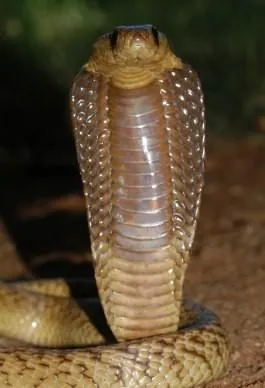
 របៀបស្គាល់វា
- Colour ranges from yellow through golden brown and dark brown to black.1
- Many individuals have black or pale stippling and blotches.1
- Juveniles have a dark throat that continues down the belly.1
- Adults are typically 1.2 to 1.4 m long.1
- When threatened, it raises the front of its body and spreads a broad hood.1
ច្រើនតែច្រឡំជាមួយ៖ Juvenile Cape cobras have dark throats, which often leads people to confuse them with the rinkhals, a spitting cobra. The dark throat fades during the first year or two of life.1
អំណាចពិស
ពិសចេញតាមចង្កូម ឬធ្មេញរបស់វា នៅពេលវាខាំ។
តើពិសរបស់វាធ្វើអ្វី?
Its venom is thick and syrupy, and contains potent neurotoxins that act on the nerves, and possibly cardiotoxins that affect the heart. The venom can affect the respiratory system, nervous system and heart. When death occurs, it normally takes one to ten hours, or more, and is often caused by respiratory failure due to paralysis.1
តើវាគ្រោះថ្នាក់ប៉ុណ្ណាចំពោះមនុស្ស?
គ្រោះថ្នាក់ចំពោះមនុស្ស: គ្រោះថ្នាក់ដល់ជីវិតសត្វមួយក្នុងចំណោមសត្វដែលគ្រោះថ្នាក់បំផុតក្នុងពិភពលោក។It is regarded as one of the most dangerous cobras in Africa because of its potent venom and its frequent presence around houses. The mortality rate for untreated bites is not exactly known, but is thought to be high, around 50%. Outcomes depend on factors such as the amount of venom injected and the bitten person's state of mind.1
 ដំណឹងល្អ៖ គ្រូពេទ្យមានថ្នាំ (សេរ៉ូមប្រឆាំងពិស) ឬការព្យាបាលសម្រាប់រឿងនេះ។1
តើវាធ្វើអ្វីនៅពេលវាខ្លាច?
When threatened, it raises its forebody, spreads a broad hood, may hiss loudly and strikes readily.1
 ប្រសិនបើវាខាំ
- Mechanical ventilation (a machine that helps the person breathe) and symptom management are often enough to save a life. Serious cases need antivenom, which is a polyvalent antivenom produced by the South African Institute of Medical Research.1
- ទុកឱ្យអ្នករងគ្រោះនៅស្ងៀម និងស្ងប់ ដោះចិញ្ចៀន និងរបស់ដែលតឹងៗចេញ ហើយទៅមន្ទីរពេទ្យឱ្យបានលឿន៖ សេរ៉ូមប្រឆាំងពិស គឺជាការព្យាបាល។
ត្រូវទូរស័ព្ទទៅលេខសង្គ្រោះបន្ទាន់ជាមុនសិនជានិច្ច (112, 000, 911)។ នេះជាការណែនាំសង្គ្រោះបឋមទូទៅ មិនមែនជាដំបូន្មានវេជ្ជសាស្ត្រទេ។ មូលដ្ឋាននៃការសង្គ្រោះបឋម
 រក្សាសុវត្ថិភាព
- កុំប៉ះ ចាប់ ឬរំខានសត្វព្រៃជាដាច់ខាត ទោះបីវាតូចក៏ដោយ ហើយទោះបីវាមើលទៅដូចជាកំពុងដេក ឬងាប់ក៏ដោយ។
- ទុកចន្លោះឱ្យវា។ ប្រសិនបើអ្នកជួបវា ចូរនៅស្ងប់ ថយក្រោយយឺតៗ ហើយទុកឱ្យវាទៅតាមផ្លូវរបស់វា។
- ប្រសិនបើវាខាំអ្នក៖ ចូរនៅស្ងប់ នៅស្ងៀម ទូរស័ព្ទទៅលេខសង្គ្រោះបន្ទាន់ (112, 000, 911) ឬទៅមន្ទីរពេទ្យឱ្យបានលឿន។ ចងចាំថាវាមានរូបរាងយ៉ាងដូចម្តេច រូបថតមួយអាចជួយបាន។
វាមិនមែនចង់តាមចាប់អ្នកទេ។ វាប្រើពិសរបស់វាដើម្បីចាប់ចំណី ឬការពារខ្លួន ហើយវាចូលចិត្តលាក់ខ្លួនជាង។ បន្ថែមទៀតអំពីការរក្សាសុវត្ថិភាព
នៅកន្លែងណាក្នុងពិភពលោក?
តើវាធំប៉ុណ្ណា?
តើវាវែងប៉ុណ្ណា?
 វែងដូចឆ្មាក្នុងផ្ទះ 3 ក្បាល ពីច្រមុះដល់កន្ទុយ
 វែងដូចចេក 9 ផ្លែតភ្ជាប់គ្នា
 អាចរត់បាន 100 ម៉ែត្រក្នុងរយៈពេល 48 វិនាទី (មនុស្សលឿនបំផុតត្រូវការ 9.6)
តើ Cape cobra ធំប៉ុណ្ណា បើប្រៀបនឹងអ្នក?
គ្រាន់តែជាការគណនានៅក្នុងកម្មវិធីរុករករបស់អ្នក។ គ្មានអ្វីត្រូវបានរក្សាទុក ឬផ្ញើទៅកន្លែងណាទេ។
តើវាលឿនប៉ុណ្ណា?


ការពិត
សម្រាប់អ្នកជំនាញខាងពិស
ការពិតមកពីណា
- Cape cobra (Wikipedia (CC BY-SA 4.0))
- Naja nivea (iNaturalist): ឈ្មោះ និងចំណាត់ថ្នាក់។
- Venom Wiki: កម្រិតគ្រោះថ្នាក់ ទំហំធម្មតា និងការប៉ាន់ស្មានល្បឿន គឺជារបស់យើងផ្ទាល់។ មើលពីរបៀបដែលយើងគណនាវា៖ របៀបដែលយើងវាយតម្លៃគ្រោះថ្នាក់.
ការពិតនីមួយៗនៅលើទំព័រនេះមានលេខដែលចង្អុលទៅប្រភពរបស់វា។ ប្រសិនបើយើងសរសេរខុស សូមអភ័យទោស យើងជាអ្នកស្រឡាញ់សត្វ មិនមែនជាទស្សនាវដ្តីវិទ្យាសាស្ត្រទេ។ ប្រាប់យើងតាម [email protected] ហើយយើងនឹងកែវា។
 ខ្ទួយឃ្លានហើយ! Venom Wiki ជាគម្រោងរបស់មនុស្សម្នាក់៖ ឥតគិតថ្លៃ គ្មានការផ្សាយពាណិជ្ជកម្ម និងគ្មានកម្មវិធីតាមដាន។ ការឧបត្ថម្ភតិចតួចជួយឱ្យវានៅតែដំណើរការលើអ៊ីនធឺណិត។ផ្តល់ចំណីខ្ទួយ
បន្ថែមទៀតពីក្រុមដូចគ្នា: ពស់វែក ពស់ម៉ាំបា និងពស់ក្រេត
 Black mambaពស់វែក ពស់ម៉ាំបា និងពស់ក្រេតគ្រោះថ្នាក់ដល់ជីវិត
 Egyptian cobraពស់វែក ពស់ម៉ាំបា និងពស់ក្រេតគ្រោះថ្នាក់ដល់ជីវិត
 Eastern green mambaពស់វែក ពស់ម៉ាំបា និងពស់ក្រេតគ្រោះថ្នាក់ដល់ជីវិត
 Jameson's mambaពស់វែក ពស់ម៉ាំបា និងពស់ក្រេតគ្រោះថ្នាក់ដល់ជីវិត
 Western green mambaពស់វែក ពស់ម៉ាំបា និងពស់ក្រេតគ្រោះថ្នាក់ដល់ជីវិត
 Ashe's spitting cobraពស់វែក ពស់ម៉ាំបា និងពស់ក្រេតអាចសម្លាប់បាន
 Deathstalker
 Puff adder
 Boomslang
 Fat-tailed scorpion
 Gaboon viper
 Western honey bee