
 អាហ្វ្រិក
 អាស៊ី
អាស៊ី អឺរ៉ុប
 អាមេរិកខាងត្បូង
 អូស្ត្រាលី និងអូសេអានី
 អង់តាក់ទិក
 មហាសមុទ្រប៉ាស៊ីហ្វិក
 មហាសមុទ្រអាត្លង់ទិក
 មហាសមុទ្រឥណ្ឌា
 មហាសមុទ្រអាកទិក
 សមុទ្រមេឌីទែរ៉ាណេ
 សមុទ្រក្រហម
 សមុទ្រការ៉ាអ៊ីប
 សមុទ្រផ្កាថ្ម
 សមុទ្រចិនខាងត្បូង
 សមុទ្រហ្វីលីពីន
 សមុទ្រអង់ដាម៉ាន់
 សមុទ្រខាងជើង
 សមុទ្រទីម័រ និងសមុទ្រអារ៉ាហ្វូរ៉ា
 ឈូងសមុទ្របេងហ្គាល់
 ឈូងសមុទ្រកាលីហ្វ័រញ៉ា
Giant house spider
 ខាំ
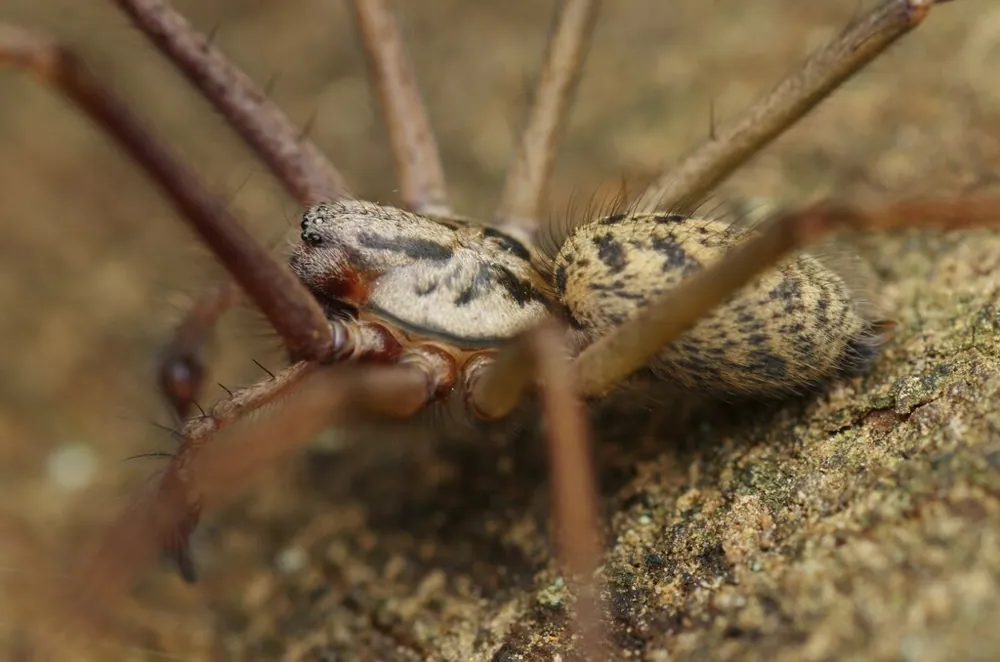
ខាំThe giant house spider is a large, brown spider that often lives indoors, especially in Europe, where it is native. It is also found in parts of North America, where it was introduced. Its bite is not considered dangerous to people or pets.1
 របៀបស្គាល់វា
- Mainly dark-brown body, in earthy tones of brown and muddy-red or yellow.1
- A lighter arrow-shaped marking on the front part of the body (the sternum), with three light spots on each side.1
- A lighter middle line on the abdomen, with six light spots on each side.1
- Conspicuously hairy legs, palps and abdomen.1
- Females reach up to 18.5 mm in body length. Males are slightly smaller, at around 12 to 15 mm. Males have larger palps and a slimmer abdomen than females.1
ច្រើនតែច្រឡំជាមួយ៖ The giant house spider has the same colouring as the domestic house spider, Tegenaria domestica. The two closest relatives, E. duellica and E. saeva, look the same as E. atrica. The three species can only be separated by microscopic measurements of the body parts.1
អំណាចពិស
ពិសចេញតាមចង្កូម ឬធ្មេញរបស់វា នៅពេលវាខាំ។
តើវាគ្រោះថ្នាក់ប៉ុណ្ណាចំពោះមនុស្ស?
គ្រោះថ្នាក់ចំពោះមនុស្ស: ស្រាលដូចឃ្មុំទិច ឬតិចជាងនេះ។ ជាទូទៅគ្មានគ្រោះថ្នាក់ចំពោះមនុស្សទេ។Bites are not considered dangerous to humans or pets.1
 ប្រសិនបើវាខាំ
- លាងកន្លែងខាំ ហើយដាក់ថង់ទឹកកកលើវាដើម្បីបំបាត់ការឈឺចាប់។ រកជំនួយវេជ្ជសាស្ត្រ ប្រសិនបើឈឺខ្លាំង ការឈឺរាលដាល ឬអ្នករងគ្រោះមានអារម្មណ៍មិនស្រួល។
ត្រូវទូរស័ព្ទទៅលេខសង្គ្រោះបន្ទាន់ជាមុនសិនជានិច្ច (112, 000, 911)។ នេះជាការណែនាំសង្គ្រោះបឋមទូទៅ មិនមែនជាដំបូន្មានវេជ្ជសាស្ត្រទេ។ មូលដ្ឋាននៃការសង្គ្រោះបឋម
 រក្សាសុវត្ថិភាព
- កុំប៉ះ ចាប់ ឬរំខានសត្វព្រៃជាដាច់ខាត ទោះបីវាតូចក៏ដោយ ហើយទោះបីវាមើលទៅដូចជាកំពុងដេក ឬងាប់ក៏ដោយ។
- ទុកចន្លោះឱ្យវា។ ប្រសិនបើអ្នកជួបវា ចូរនៅស្ងប់ ថយក្រោយយឺតៗ ហើយទុកឱ្យវាទៅតាមផ្លូវរបស់វា។
- ប្រសិនបើវាខាំអ្នក៖ ចូរនៅស្ងប់ នៅស្ងៀម ទូរស័ព្ទទៅលេខសង្គ្រោះបន្ទាន់ (112, 000, 911) ឬទៅមន្ទីរពេទ្យឱ្យបានលឿន។ ចងចាំថាវាមានរូបរាងយ៉ាងដូចម្តេច រូបថតមួយអាចជួយបាន។
វាមិនមែនចង់តាមចាប់អ្នកទេ។ វាប្រើពិសរបស់វាដើម្បីចាប់ចំណី ឬការពារខ្លួន ហើយវាចូលចិត្តលាក់ខ្លួនជាង។ បន្ថែមទៀតអំពីការរក្សាសុវត្ថិភាព
នៅកន្លែងណាក្នុងពិភពលោក?
តើវាធំប៉ុណ្ណា?
តើវាវែងប៉ុណ្ណា?
 ខ្លីជាងម្រាមដៃកូនរបស់អ្នក
 អាចរត់បាន 100 ម៉ែត្រក្នុងរយៈពេល 190 វិនាទី (មនុស្សលឿនបំផុតត្រូវការ 9.6)
តើ Giant house spider ធំប៉ុណ្ណា បើប្រៀបនឹងអ្នក?
គ្រាន់តែជាការគណនានៅក្នុងកម្មវិធីរុករករបស់អ្នក។ គ្មានអ្វីត្រូវបានរក្សាទុក ឬផ្ញើទៅកន្លែងណាទេ។
តើវាលឿនប៉ុណ្ណា?


ការពិត
The eyes are all the same size and sit in two rows. They contain few visual cells, so the spider can probably only tell light from dark.1
Until 2018, the giant house spider was treated as one species. Research then showed three separate species, which can only be told apart under a microscope.1
Males wander while searching for females during mating season, which runs from late summer into autumn. This is when they are most often noticed.1
Males have no Y chromosome. Males carry X1 and X2, and females carry two pairs of X chromosomes. This form of sex determination is the most common in spiders and is probably the ancestral form.1
ការពិតមកពីណា
- Eratigena atrica (Wikipedia (CC BY-SA 4.0))
- Eratigena atrica (iNaturalist): ឈ្មោះ និងចំណាត់ថ្នាក់។
- Venom Wiki: កម្រិតគ្រោះថ្នាក់ ទំហំធម្មតា និងការប៉ាន់ស្មានល្បឿន គឺជារបស់យើងផ្ទាល់។ មើលពីរបៀបដែលយើងគណនាវា៖ របៀបដែលយើងវាយតម្លៃគ្រោះថ្នាក់.
ការពិតនីមួយៗនៅលើទំព័រនេះមានលេខដែលចង្អុលទៅប្រភពរបស់វា។ ប្រសិនបើយើងសរសេរខុស សូមអភ័យទោស យើងជាអ្នកស្រឡាញ់សត្វ មិនមែនជាទស្សនាវដ្តីវិទ្យាសាស្ត្រទេ។ ប្រាប់យើងតាម [email protected] ហើយយើងនឹងកែវា។
 ខ្ទួយឃ្លានហើយ! Venom Wiki ជាគម្រោងរបស់មនុស្សម្នាក់៖ ឥតគិតថ្លៃ គ្មានការផ្សាយពាណិជ្ជកម្ម និងគ្មានកម្មវិធីតាមដាន។ ការឧបត្ថម្ភតិចតួចជួយឱ្យវានៅតែដំណើរការលើអ៊ីនធឺណិត។ផ្តល់ចំណីខ្ទួយ
បន្ថែមទៀតពីក្រុមដូចគ្នា: ពីងពាង
 Mediterranean black widow
 Diving bell spider
 European yellow sac spider
 Noble false widow
 Tarantula wolf spider
 Daddy long-legs spider
ក៏រស់នៅក្នុង: អឺរ៉ុប
 Common European adderពស់វ៉ៃពែរ និងពស់អាដឺត្រូវការគ្រូពេទ្យ
 Spanish flyសត្វពុលផ្សេងទៀតត្រូវការគ្រូពេទ្យកុំប៉ះ
 Common waspឃ្មុំ ឪម៉ាល់ និងឪម៉ាល់ធំគ្រាន់តែឈឺ
 European hornetឃ្មុំ ឪម៉ាល់ និងឪម៉ាល់ធំគ្រាន់តែឈឺ
 Fire salamanderកង្កែបពុល កង្កែបពក និងសត្វញូតគ្រាន់តែឈឺកុំប៉ះ
 Western honey beeឃ្មុំ ឪម៉ាល់ និងឪម៉ាល់ធំគ្រាន់តែឈឺ