
 អាហ្វ្រិក
 អាស៊ី
អាស៊ី អឺរ៉ុប
 អាមេរិកខាងត្បូង
 អូស្ត្រាលី និងអូសេអានី
 អង់តាក់ទិក
 មហាសមុទ្រប៉ាស៊ីហ្វិក
 មហាសមុទ្រអាត្លង់ទិក
 មហាសមុទ្រឥណ្ឌា
 មហាសមុទ្រអាកទិក
 សមុទ្រមេឌីទែរ៉ាណេ
 សមុទ្រក្រហម
 សមុទ្រការ៉ាអ៊ីប
 សមុទ្រផ្កាថ្ម
 សមុទ្រចិនខាងត្បូង
 សមុទ្រហ្វីលីពីន
 សមុទ្រអង់ដាម៉ាន់
 សមុទ្រខាងជើង
 សមុទ្រទីម័រ និងសមុទ្រអារ៉ាហ្វូរ៉ា
 ឈូងសមុទ្របេងហ្គាល់
 ឈូងសមុទ្រកាលីហ្វ័រញ៉ា
Hickory tussock moth
 រោមដែលទិច
The hickory tussock moth is a moth whose caterpillars are covered in long, hairy tufts. It lives across the eastern half of North America. Its hairs can cause an itchy rash, but no venom has been found in it.1

 របៀបស្គាល់វា
- The caterpillar is completely covered in long, hairlike setae arranged in spreading tufts, and most are white.1
- The caterpillar has black tufts along the middle of its back and four long black hair pencils, two near the front and two near the back.1
- The caterpillar has black spots along its sides and a black head capsule.1
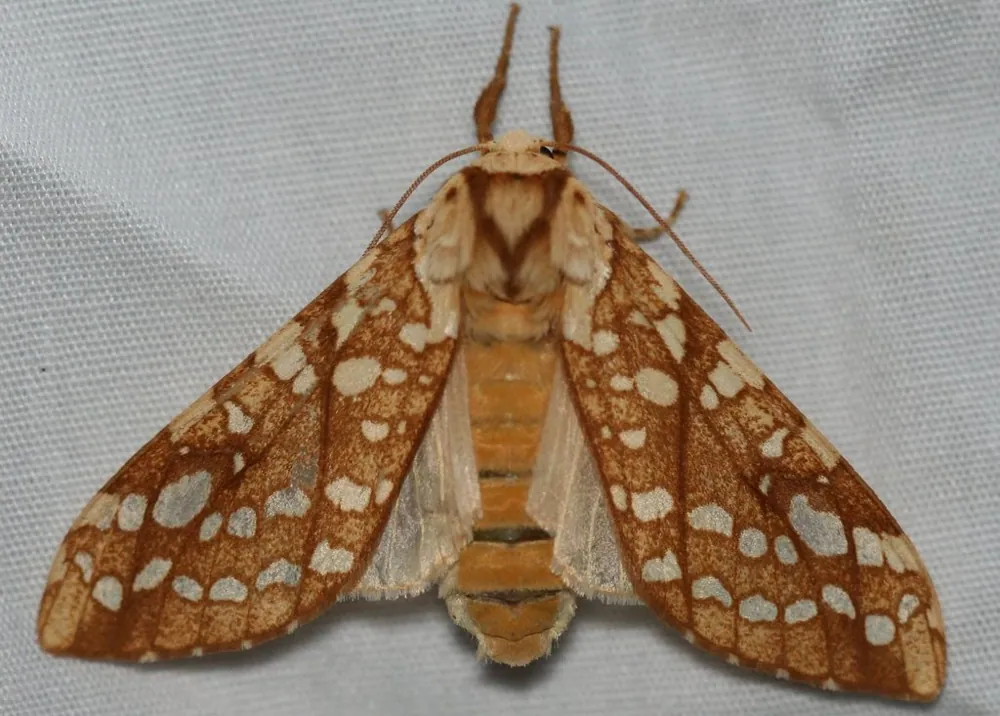
- The adult moth has yellowish-brown forewings marked with white splotches, which look like stained glass.1
- The adult moth has mostly white hindwings and a hairy, pale brown body.1
អំណាចពិស
រោម ឬសរសៃរោមតូចៗបាក់ជាប់នៅក្នុងស្បែក ហើយទិច។
តើពិសរបស់វាធ្វើអ្វី?
No venom has yet been isolated or identified in this moth. Its hairs cause irritant contact dermatitis, an itchy rash, in many people, especially those prone to allergies. The rash can resemble exposure to urushiol, the irritant found in poison ivy.1
តើវាគ្រោះថ្នាក់ប៉ុណ្ណាចំពោះមនុស្ស?
គ្រោះថ្នាក់ចំពោះមនុស្ស: ស្រាលដូចឃ្មុំទិច ឬតិចជាងនេះ។ ជាទូទៅគ្មានគ្រោះថ្នាក់ចំពោះមនុស្សទេ។In over 350 documented cases, most people had no symptoms within 24 hours. No case involved anaphylaxis, a severe allergic reaction. The hairs are microscopically barbed, and if they are transferred from the hands to the eyes they may rarely cause serious medical complications.1
 ប្រសិនបើអ្នកប៉ះរោមរបស់វា
- សម្រាប់រោមដង្កូវដែលទិច៖ យកស្កុតបិទ ហើយទាញយករោមចេញ បន្ទាប់មកលាងស្បែក។ កុំត្រដុស។
- សម្រាប់ការខាំ៖ លាង និងធ្វើឱ្យត្រជាក់។ រកជំនួយវេជ្ជសាស្ត្រ ប្រសិនបើអ្នករងគ្រោះមានអារម្មណ៍មិនស្រួល ឬហូរឈាមងាយ។
ត្រូវទូរស័ព្ទទៅលេខសង្គ្រោះបន្ទាន់ជាមុនសិនជានិច្ច (112, 000, 911)។ នេះជាការណែនាំសង្គ្រោះបឋមទូទៅ មិនមែនជាដំបូន្មានវេជ្ជសាស្ត្រទេ។ មូលដ្ឋាននៃការសង្គ្រោះបឋម
 រក្សាសុវត្ថិភាព
- កុំប៉ះ ចាប់ ឬរំខានសត្វព្រៃជាដាច់ខាត ទោះបីវាតូចក៏ដោយ ហើយទោះបីវាមើលទៅដូចជាកំពុងដេក ឬងាប់ក៏ដោយ។
- ទុកចន្លោះឱ្យវា។ ប្រសិនបើអ្នកជួបវា ចូរនៅស្ងប់ ថយក្រោយយឺតៗ ហើយទុកឱ្យវាទៅតាមផ្លូវរបស់វា។
- ប្រសិនបើអ្នកប៉ះរោមរបស់វា៖ ចូរនៅស្ងប់ នៅស្ងៀម ទូរស័ព្ទទៅលេខសង្គ្រោះបន្ទាន់ (112, 000, 911) ឬទៅមន្ទីរពេទ្យឱ្យបានលឿន។ ចងចាំថាវាមានរូបរាងយ៉ាងដូចម្តេច រូបថតមួយអាចជួយបាន។
វាមិនមែនចង់តាមចាប់អ្នកទេ។ វាប្រើពិសរបស់វាដើម្បីចាប់ចំណី ឬការពារខ្លួន ហើយវាចូលចិត្តលាក់ខ្លួនជាង។ បន្ថែមទៀតអំពីការរក្សាសុវត្ថិភាព
នៅកន្លែងណាក្នុងពិភពលោក?
តើវាធំប៉ុណ្ណា?
តើវាវែងប៉ុណ្ណា?
 ខ្លីជាងម្រាមដៃកូនរបស់អ្នក
 យឺតជាងខ្យងសួនច្បារ
តើ Hickory tussock moth ធំប៉ុណ្ណា បើប្រៀបនឹងអ្នក?
គ្រាន់តែជាការគណនានៅក្នុងកម្មវិធីរុករករបស់អ្នក។ គ្មានអ្វីត្រូវបានរក្សាទុក ឬផ្ញើទៅកន្លែងណាទេ។
តើវាលឿនប៉ុណ្ណា?

ការពិត
The hairs of the caterpillar are microscopically barbed, which is why they can irritate the skin.1
Young caterpillars feed in groups of about 100, but older caterpillars are solitary.1
The adult's forewings are marked with white splotches that look like stained glass.1
The loose cocoon has hairs woven into it and overwinters in leaf litter.1
បំបែកជំនឿខុស
ជំនឿខុស៖ The hickory tussock moth is venomous, as some anecdotal claims say.
តាមពិត៖ No venom has been isolated or identified in this species. Its hairs cause an irritant skin rash in many people.1
ការពិតមកពីណា
- Lophocampa caryae (Wikipedia (CC BY-SA 4.0))
- Lophocampa caryae (iNaturalist): ឈ្មោះ និងចំណាត់ថ្នាក់។
- Venom Wiki: កម្រិតគ្រោះថ្នាក់ ទំហំធម្មតា និងការប៉ាន់ស្មានល្បឿន គឺជារបស់យើងផ្ទាល់។ មើលពីរបៀបដែលយើងគណនាវា៖ របៀបដែលយើងវាយតម្លៃគ្រោះថ្នាក់.
ការពិតនីមួយៗនៅលើទំព័រនេះមានលេខដែលចង្អុលទៅប្រភពរបស់វា។ ប្រសិនបើយើងសរសេរខុស សូមអភ័យទោស យើងជាអ្នកស្រឡាញ់សត្វ មិនមែនជាទស្សនាវដ្តីវិទ្យាសាស្ត្រទេ។ ប្រាប់យើងតាម [email protected] ហើយយើងនឹងកែវា។
 ខ្ទួយឃ្លានហើយ! Venom Wiki ជាគម្រោងរបស់មនុស្សម្នាក់៖ ឥតគិតថ្លៃ គ្មានការផ្សាយពាណិជ្ជកម្ម និងគ្មានកម្មវិធីតាមដាន។ ការឧបត្ថម្ភតិចតួចជួយឱ្យវានៅតែដំណើរការលើអ៊ីនធឺណិត។ផ្តល់ចំណីខ្ទួយ
 Giant water bug
 Puss caterpillar
 Saddleback caterpillar
 Wheel bug
 Giant vinegaroon
 Rhodnius kissing bug
 Terciopelo
 Eastern coral snake
 Eastern diamondback rattlesnake
 Eyelash viper
 Timber rattlesnake
 Western diamondback rattlesnake