
 អាហ្វ្រិក
 អាស៊ី
អាស៊ី អឺរ៉ុប
 អាមេរិកខាងត្បូង
 អូស្ត្រាលី និងអូសេអានី
 អង់តាក់ទិក
 មហាសមុទ្រប៉ាស៊ីហ្វិក
 មហាសមុទ្រអាត្លង់ទិក
 មហាសមុទ្រឥណ្ឌា
 មហាសមុទ្រអាកទិក
 សមុទ្រមេឌីទែរ៉ាណេ
 សមុទ្រក្រហម
 សមុទ្រការ៉ាអ៊ីប
 សមុទ្រផ្កាថ្ម
 សមុទ្រចិនខាងត្បូង
 សមុទ្រហ្វីលីពីន
 សមុទ្រអង់ដាម៉ាន់
 សមុទ្រខាងជើង
 សមុទ្រទីម័រ និងសមុទ្រអារ៉ាហ្វូរ៉ា
 ឈូងសមុទ្របេងហ្គាល់
 ឈូងសមុទ្រកាលីហ្វ័រញ៉ា
Savigny's long-spined urchin
 បន្លាមានពិស
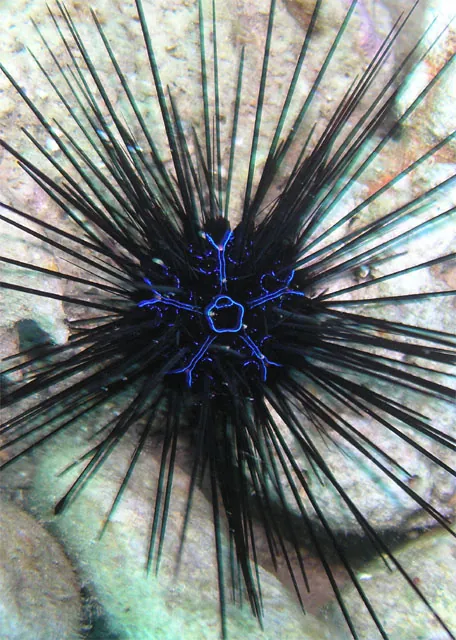
Savigny's long-spined urchin is a spiny sea animal that lives on reefs and in shallow lagoons. It has very long, thin spines that can grow up to 25 cm, and it comes out at night to graze on algae. Its spines are the part that can hurt people, so it is worth giving it plenty of room.1


 របៀបស្គាល់វា
- Usually black, with a rounded body (called a test) up to about 9 cm across1
- Long, thin, hollow spines that grow in tufts and can reach 25 cm; they are usually black but can be grey, dark brown or purple1
- Juveniles may have bands of lighter and darker shades, and the occasional individual is completely white1
- Iridescent green or blue lines around the interambulacral areas and around the periproct (the cone-shaped region surrounding the anus)1
ច្រើនតែច្រឡំជាមួយ៖ It is very similar to Diadema setosum, which shares much of its range and often lives in the same groups. Savigny's long-spined urchin lacks the thin orange ring around the periproct that Diadema setosum has.1
អំណាចពិស
បន្លាមុតស្រួចផ្ទុកពិស។ ការជាន់ ឬចាប់វាធ្វើឱ្យឈឺ។
តើវាគ្រោះថ្នាក់ប៉ុណ្ណាចំពោះមនុស្ស?
គ្រោះថ្នាក់ចំពោះមនុស្ស: ឈឺចាប់វាអាចឈឺខ្លាំងមែន ប៉ុន្តែស្ទើរតែមិនដែលធ្ងន់ធ្ងរទេ។តើវាធ្វើអ្វីនៅពេលវាខ្លាច?
When a shadow falls on it, it angles its spines towards the possible attacker.1
 ប្រសិនបើបន្លារបស់វាចាក់អ្នក
- ដាក់របួសក្នុងទឹកក្តៅ ក្តៅតាមដែលអ្នករងគ្រោះអាចទ្រាំបានដោយមិនរលាក ហើយរកជំនួយវេជ្ជសាស្ត្រដើម្បីដកបន្លាចេញ។ កុំជីកយកវាដោយខ្លួនឯង។
ត្រូវទូរស័ព្ទទៅលេខសង្គ្រោះបន្ទាន់ជាមុនសិនជានិច្ច (112, 000, 911)។ នេះជាការណែនាំសង្គ្រោះបឋមទូទៅ មិនមែនជាដំបូន្មានវេជ្ជសាស្ត្រទេ។ មូលដ្ឋាននៃការសង្គ្រោះបឋម
 រក្សាសុវត្ថិភាព
- កុំប៉ះ ចាប់ ឬរំខានសត្វព្រៃជាដាច់ខាត ទោះបីវាតូចក៏ដោយ ហើយទោះបីវាមើលទៅដូចជាកំពុងដេក ឬងាប់ក៏ដោយ។
- ទុកចន្លោះឱ្យវា។ ប្រសិនបើអ្នកជួបវា ចូរនៅស្ងប់ ថយក្រោយយឺតៗ ហើយទុកឱ្យវាទៅតាមផ្លូវរបស់វា។
- ប្រសិនបើបន្លារបស់វាចាក់អ្នក៖ ចូរនៅស្ងប់ នៅស្ងៀម ទូរស័ព្ទទៅលេខសង្គ្រោះបន្ទាន់ (112, 000, 911) ឬទៅមន្ទីរពេទ្យឱ្យបានលឿន។ ចងចាំថាវាមានរូបរាងយ៉ាងដូចម្តេច រូបថតមួយអាចជួយបាន។
វាមិនមែនចង់តាមចាប់អ្នកទេ។ វាប្រើពិសរបស់វាដើម្បីចាប់ចំណី ឬការពារខ្លួន ហើយវាចូលចិត្តលាក់ខ្លួនជាង។ បន្ថែមទៀតអំពីការរក្សាសុវត្ថិភាព
នៅកន្លែងណាក្នុងពិភពលោក?
តើវាធំប៉ុណ្ណា?
តើវាវែងប៉ុណ្ណា?
 វែងដូចប្លុកសំណង់ក្មេងលេង 3 ដុំតជាជួរ
 យឺតជាងខ្យងសួនច្បារ
តើ Savigny's long-spined urchin ធំប៉ុណ្ណា បើប្រៀបនឹងអ្នក?
គ្រាន់តែជាការគណនានៅក្នុងកម្មវិធីរុករករបស់អ្នក។ គ្មានអ្វីត្រូវបានរក្សាទុក ឬផ្ញើទៅកន្លែងណាទេ។
តើវាលឿនប៉ុណ្ណា?


ការពិត
Its spines are brittle, thin and hollow, and grow in tufts that can be as long as 25 cm.1
Small fish such as cardinal fish, flatworms and shrimps sometimes shelter among its long spines.1
It spawns just after the full moon, while its close relative Diadema setosum mostly spawns around days eight to ten of the lunar cycle, which keeps the two species from interbreeding.1
Its grazing helps control algae, which might otherwise smother corals.1
It is nocturnal, hiding in crevices or under boulders by day, though several individuals sometimes huddle together in the open.1
Its predators include pufferfish, porcupinefish, lobsters and snails.1
សម្រាប់អ្នកជំនាញខាងពិស
- ឈ្មោះវិទ្យាសាស្ត្រ
- Diadema savignyi
- ក្រុម
- ពងសមុទ្រ ផ្កាយសមុទ្រ និងដង្កូវ
- គ្រួសារ
- Diadematidae2
- លំដាប់
- Diadematoida
- ទ្វីបនានា
- មហាសមុទ្រឥណ្ឌា, មហាសមុទ្រប៉ាស៊ីហ្វិក, សមុទ្រក្រហម, សមុទ្រអារ៉ាប់ និងឈូងសមុទ្រពែក្ស, សមុទ្រទីម័រ និងសមុទ្រអារ៉ាហ្វូរ៉ា, ឈូងសមុទ្របេងហ្គាល់, មហាសមុទ្រ
- កូនតូចៗ
- It does not have live young. Instead it releases eggs and sperm into the water (spawning), mainly during the north-east monsoon period, peaking in May, and timed to the lunar cycle.1
- គ្រោះថ្នាក់ចំពោះមនុស្ស
- 2 / 5: ឈឺចាប់3
ការពិតមកពីណា
- Diadema savignyi (Wikipedia (CC BY-SA 4.0))
- Diadema savignyi (iNaturalist): ឈ្មោះ និងចំណាត់ថ្នាក់។
- Venom Wiki: កម្រិតគ្រោះថ្នាក់ ទំហំធម្មតា និងការប៉ាន់ស្មានល្បឿន គឺជារបស់យើងផ្ទាល់។ មើលពីរបៀបដែលយើងគណនាវា៖ របៀបដែលយើងវាយតម្លៃគ្រោះថ្នាក់.
ការពិតនីមួយៗនៅលើទំព័រនេះមានលេខដែលចង្អុលទៅប្រភពរបស់វា។ ប្រសិនបើយើងសរសេរខុស សូមអភ័យទោស យើងជាអ្នកស្រឡាញ់សត្វ មិនមែនជាទស្សនាវដ្តីវិទ្យាសាស្ត្រទេ។ ប្រាប់យើងតាម [email protected] ហើយយើងនឹងកែវា។
 ខ្ទួយឃ្លានហើយ! Venom Wiki ជាគម្រោងរបស់មនុស្សម្នាក់៖ ឥតគិតថ្លៃ គ្មានការផ្សាយពាណិជ្ជកម្ម និងគ្មានកម្មវិធីតាមដាន។ ការឧបត្ថម្ភតិចតួចជួយឱ្យវានៅតែដំណើរការលើអ៊ីនធឺណិត។ផ្តល់ចំណីខ្ទួយ
បន្ថែមទៀតពីក្រុមដូចគ្នា: ពងសមុទ្រ ផ្កាយសមុទ្រ និងដង្កូវ
 Crown-of-thorns starfishពងសមុទ្រ ផ្កាយសមុទ្រ និងដង្កូវត្រូវការគ្រូពេទ្យកុំប៉ះ
 Flower urchinពងសមុទ្រ ផ្កាយសមុទ្រ និងដង្កូវអាចសម្លាប់បាន
 Fire urchinពងសមុទ្រ ផ្កាយសមុទ្រ និងដង្កូវត្រូវការគ្រូពេទ្យកុំប៉ះ
 Bearded firewormពងសមុទ្រ ផ្កាយសមុទ្រ និងដង្កូវគ្រាន់តែឈឺកុំប៉ះ
 Black long-spined urchinពងសមុទ្រ ផ្កាយសមុទ្រ និងដង្កូវគ្រាន់តែឈឺកុំប៉ះ
 Bloodwormពងសមុទ្រ ផ្កាយសមុទ្រ និងដង្កូវគ្រាន់តែឈឺ
ក៏រស់នៅក្នុង: មហាសមុទ្រឥណ្ឌា
 Australian box jellyfishចាហួយសមុទ្រ និងសត្វសមុទ្រដែលទិចគ្រោះថ្នាក់ដល់ជីវិតកុំប៉ះ
 Geography coneខ្យងកោណ និងមឹកយក្សគ្រោះថ្នាក់ដល់ជីវិត
 Greater blue-ringed octopusខ្យងកោណ និងមឹកយក្សគ្រោះថ្នាក់ដល់ជីវិត
 Southern blue-ringed octopusខ្យងកោណ និងមឹកយក្សគ្រោះថ្នាក់ដល់ជីវិត
 Hawksbill sea turtleសត្វពុលផ្សេងទៀតអាចសម្លាប់បាន
 Irukandji jellyfishចាហួយសមុទ្រ និងសត្វសមុទ្រដែលទិចអាចសម្លាប់បានកុំប៉ះ