
 Африка
 Азия
Азия Европа
 Түштүк Америка
 Австралия жана Океания
 Антарктида
 Тынч океан
 Атлантика океаны
 Инд океаны
 Түндүк Муз океаны
 Жер Ортолук деңиз
 Кызыл деңиз
 Кариб деңизи
 Маржан деңизи
 Түштүк Кытай деңизи
 Филиппин деңизи
 Андаман деңизи
 Түндүк деңиз
 Тимор жана Арафур деңиздери
 Бенгал булуңу
 Калифорния булуңу
Katipo
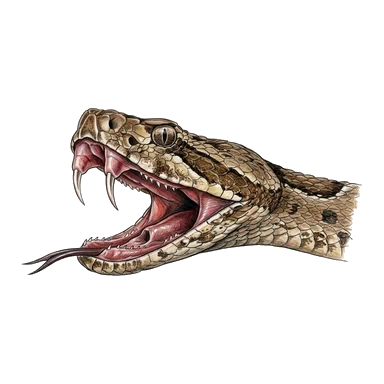 Тиштейт
The katipō is a cobweb spider found only in New Zealand, where it lives in coastal sand dunes. It is closely related to the Australian redback spider. Its bite is venomous to people, but bites are rare.1

 Аны кантип таануу керек
- Adult females have a body length of 8–10 mm (about 0.3–0.4 in).1
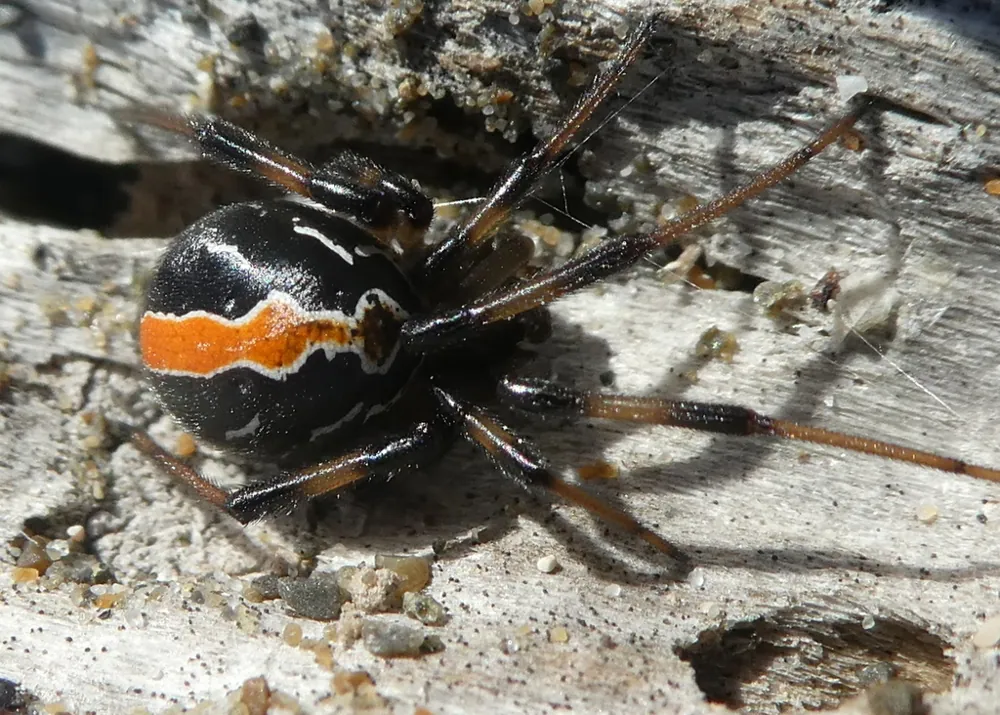
- The red katipō, found in the South Island and lower North Island, has a large black, shiny abdomen with a white-bordered orange or red stripe on top, and a red hourglass-shaped marking underneath.1
- The black katipō, found in the upper North Island, has no upper red or orange stripe and is somewhat lighter in colour.1
- Males are 4–5 mm long, white with black stripes and red hourglass-shaped markings.1
Көп учурда чаташтырышат: Steatoda species, which share the same habitat, are very similar and are called "false katipō" in New Zealand. The katipō has a less shiny, more tapered abdomen, and its side eyes are further apart. It is also similar to the redback, but the katipō has only short hair-like spines on its abdomen, while the redback has a mix of long and short ones.1
Уунун кубаты
Тиштегенде уу анын азуулары же тиштери аркылуу чыгат.
Анын уусу (тиштегенде же чакканда) эмне кылат?
The bite can cause latrodectism, a toxic syndrome that affects the nerves and body. Symptoms include extreme pain and, potentially, high blood pressure (hypertension) or seizures.1
Адамдарга канчалык коркунучтуу?
Адамдарга коркунуч: ОлуттууТиштесе, дарыгер керек. Өлүм учурлары өтө сейрек.Katipō are venomous to humans, but bites are described as rare. Serious symptoms are possible, including extreme pain, high blood pressure and seizures.1
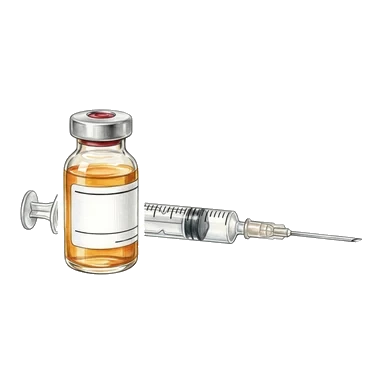 Жакшы кабар: дарыгерлерде мунун дарысы (ууга каршы сыворотка) же дарылоо ыкмасы бар.1
 Эгер тиштесе
- Тиштеген жерди жуу жана оорусун басуу үчүн ага муз пакетин кой. Эгер оору катуу болсо, тарап жатса же адамдын абалы начарласа, медициналык жардам ал.
Ар дайым адегенде шашылыш жардам номерине чал (112, 000, 911). Бул биринчи жардам боюнча жалпы көрсөтмө, медициналык кеңеш эмес. Биринчи жардамдын негиздери
 Коопсуз бол
- Жапайы жаныбарга эч качан тийбе, аны кармаба жана шылдыңдаба, ал кичинекей болсо да, уктап же өлүп калгандай көрүнсө да.
- Ага жол бер. Эгер жолуктурсаң, тынч бол, акырын артка чегин жана аны өз жолу менен кетүүгө кой.
- Эгер бирөө сени тиштесе: тынч бол, кыймылдаба, шашылыш жардам номерине (112, 000, 911) чал же тез ооруканага жет. Анын кандай экенин эсиңде сакта, сүрөт жардам берет.
Ал сага кол салгысы келбейт. Ал уусун тамак уулоо же өзүн коргоо үчүн колдонот жана жашынганды алда канча жакшы көрөт. Коопсуздук жөнүндө кененирээк
Дүйнөнүн кайсы жеринде?
Ал канчалык чоң?
Ал канчалык узун?
 тырмагыңдын үстүнө батып калгыдай кичинекей
Katipo СЕНИН жаныңда канчалык чоң?
Жөн гана браузериңдеги эсептөө. Эч нерсе сакталбайт жана эч жакка жөнөтүлбөйт.
Ал канчалык ылдам?


Фактылар
In one 24-hour study of young spiders, 28% left the web by ballooning, carried by air currents.1
Katipō is one of the few Māori words that refers to a specific species of spider.1
The female does not usually eat the male after mating, unlike some other widow spiders.1
Females cover their egg sacs with silk and sand, which partly hides them in the web.1
The katipō is found only in New Zealand.1
Уламыш талкалоочу
Уламыш: The katipō is just a form of the redback spider.
Чындык: The katipō is genetically and physically distinct from the redback, even though the two are closely related. It was once thought to be a subspecies of the redback.1
Уу боюнча адистерге
- Илимий аталышы
- Latrodectus katipo
- Топ
- Жөргөмүштөр
- Үй-бүлө
- Theridiidae2
- Тартип
- Araneae
- Континенттер
- Австралия жана Океания
- Ымыркайлар
- The female lays five or six egg sacs in November or December, with about 70 to 90 eggs in each. The young hatch after 20–25 days and leave the egg sac in January and February.1
- Жапайы жаратылышта абалы кандай
- In serious decline (New Zealand Threat Classification System)1
- Адамдарга коркунуч
- 3 / 5: Олуттуу3
Фактылар кайдан алынган
- Katipō (Wikipedia (CC BY-SA 4.0))
- Latrodectus katipo (iNaturalist): аттары жана классификациясы.
- Venom Wiki: коркунуч деңгээли, кадимки өлчөмү жана болжолдуу ылдамдыгы биздин өз баабыз. Аларды кантип эсептегенибизди кара: Коркунучту кантип баалайбыз.
Бул барактагы ар бир фактынын булагын көрсөткөн номери бар. Эгер бир нерсени ката жазсак, кечирип кой, биз илимий журнал эмес, жаныбарлардын күйөрмандарыбыз. Бизге [email protected] дарегине жаз, оңдойбуз.
 Чаян ачка! Venom Wiki бир кишинин долбоору: акысыз, жарнамасыз жана трекерсиз. Кичинекей чайпул анын интернетте калышына жардам берет.Чаянды тамакта
Ушул топтон дагы: Жөргөмүштөр
 Redback spider
 White-tailed spider
 Peacock spider
 Badge huntsman spider
 Black house spider
 Eastern white-tailed spider
Дагы жашаган жери: Австралия жана Океания
 Coastal taipanАвстралиянын жыландарыӨлүмгө алып келүүчү
 Common death adderАвстралиянын жыландарыӨлүмгө алып келүүчү
 Eastern brown snakeАвстралиянын жыландарыӨлүмгө алып келүүчү
 Inland taipanАвстралиянын жыландарыӨлүмгө алып келүүчү
 Sydney funnel-web spiderТарантулдар жана воронка торлуу жөргөмүштөрӨлүмгө алып келүүчү
 Tiger snakeАвстралиянын жыландарыӨлүмгө алып келүүчү