
 Afrika
 Azia
Azia Erópa
Erópa Amerika ya Sude
 Australia & Océanie
 Antarctique
 Océan Pacifique
 Océan Atlantique
 Océan Indien
 Océan Arctique
 Mer Méditerranée
 Mer Rouge
 Mer des Caraïbes
 Mer de Corail
 Mer de Chine méridionale
 Mer des Philippines
 Mer d'Andaman
 Mer du Nord
 Mer de Timor & Mer d'Arafura
 Golfe du Bengale
 Golfe de Californie
Buck moth
 Nsuki oyo etubaka
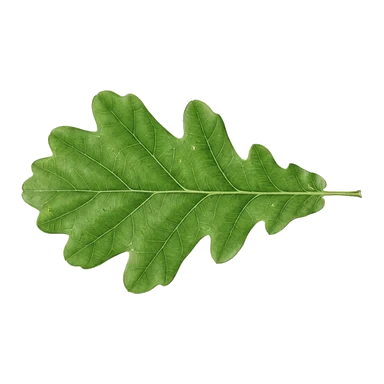
The buck moth is a common North American moth. Its caterpillars are covered in spines that can break off and sting people, so it is good to know what they look like. The caterpillars live on oak trees in eastern parts of the United States, and can also be found in cities.1
 Ndenge ya koyeba yango
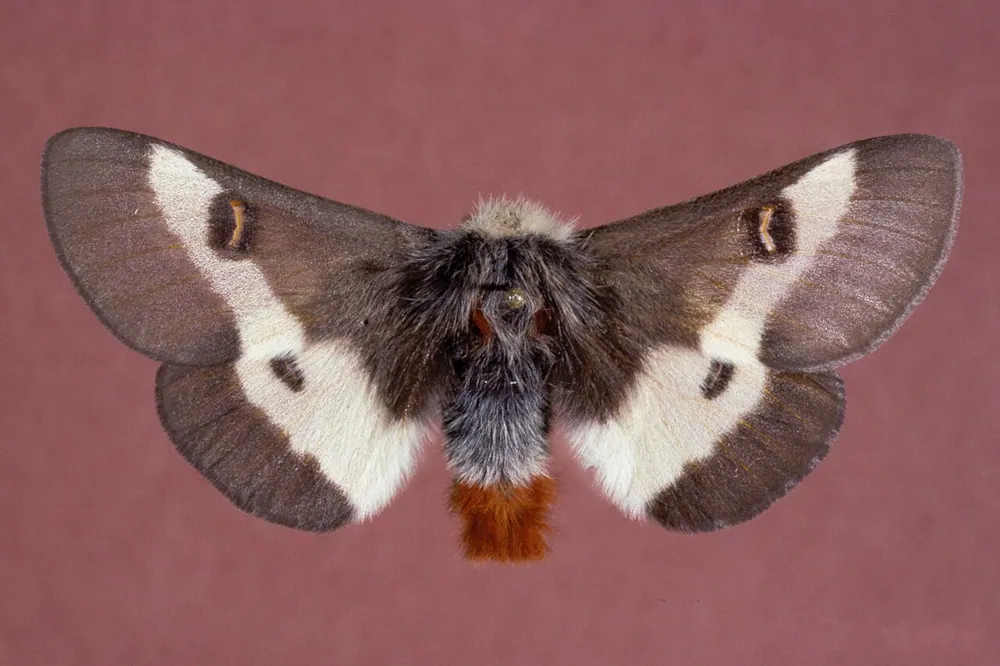
- Adult moths are dark grey to almost black, with a white band across each wing that has a distinctive eyespot on it.1
- Adult females have an all-black body. Males are black except for a rusty red abdomen (the rear part of the body).1
- Adults have black legs with small red cuffs near the top, where the leg joins the body.1
- Young caterpillars are completely black. Older caterpillars become lighter, and some look almost white.1
- Caterpillars are covered in spines. The spines on the top of the body are longer, more numerous and arranged in rows. Fully grown caterpillars reach about 2.5 inches (6.35 cm).1
Makasi ya venin
Nsuki to ba poil ya mike ebukanaka na kati ya loposo mpe etubaka.
Venin na yango esalaka nini?
The spines of the caterpillar are hollow and attached to a poison sac, and small toxic glands along the sides of the body hold the venom. When the spines break off and get into the skin, they can cause stinging, itching and burning, with large red welts. In some people the reaction can lead to anaphylactic shock, a severe allergic reaction that needs urgent medical care. Nausea is also listed as a possible symptom.1
Likama na yango mpo na bato ezali boni?
Likama mpo na bato: Epesaka pasiEkoki kopesa pasi mingi, kasi pene na ntango nyonso ezalaka likambo monene te.An increasing number of people each season are stung by these caterpillars, and many of them see a doctor for dermatitis (swelling and inflammation of the skin). Stings are most common where caterpillars have moved into urban areas. Some people are at risk of a severe allergic reaction.1
Esalaka nini ntango ebangi?
The caterpillars use their spines as a defence against predators and when they feel in danger. The spines can easily break off when the caterpillar is handled roughly or brushed against.1
 Soki osimbi nsuki na yango
- Mpo na nsuki ya mbinzo oyo etubaka: longola yango na scotch, sima sukola loposo. Kofrotter loposo te.
- Mpo na kosuama: sukola mpe pesa malili. Luka lisalisi ya monganga soki moto ayoki nzoto malamu te to soki makila ezali kobima ye pete.
Benga ntango nyonso nimero ya urgence liboso (112, 000, 911). Oyo ezali toli ya lisalisi ya liboso, ezali toli ya monganga te. Makambo ya moboko ya lisalisi ya liboso
 Zala na libateli
- Ata mokolo moko te, simba, kanga to silikisa nyama ya zamba te, ata ya moke, mpe ata soki emonani lokola elali to ekufi.
- Tika yango esika. Soki okutani na moko, zala kimia, zonga sima malembe mpe tika ekende nzela na yango.
- Soki osimbi nsuki na yango: zala kimia, ningana te, benga nimero ya urgence na yo (112, 000, 911) to kende na lopitalo noki. Kanisa ndenge ezalaki, foto esalisaka.
Ezali koluka yo te. Esalelaka venin na yango mpo na kokanga bilei to komibatela, mpe elingaka mingi kobombama. Makambo mosusu mpo na komibatela
Monene na yango boni?
Molai na yango boni?
 molai lokola ba brique ya masano 2 na molongo
 malembe koleka escargot ya elanga
Buck moth azali monene boni soki tokokanisi na YO?
Kaka ba calcul na navigateur na yo. Eloko moko te ebombamaka to etindamaka esika moko.
Mbangu na yango boni?


Makambo ya solo
Adult buck moths have no mouthparts, so they cannot eat. They live only long enough to find a mate and lay eggs.1
Newly hatched caterpillars march in a straight line, following one leader. If the leader is removed, the group becomes confused and restless until it either returns or the group chooses a new leader.1
Before they pupate, some buck moths can stay in the pupa stage for up to two years before emerging as adults.1
Females release a chemical scent, called a pheromone, to attract males. Males that fly erratically are responding to this scent.1
Mpo na ba expert ya venin
- Kombo ya siansi
- Hemileuca maia
- Ebota
- Ba mbinzo & ba insecte
- Libota
- Saturniidae2
- Molongo
- Lepidoptera
- Bakontina
- Amerika ya Nord
- Bana
- Females lay about 150 eggs per generation in a tight ring around an oak twig, and the eggs stay there through the winter until spring.1
- Ndenge ezali kobika na zamba
- Endangered in Connecticut for the narrower subspecies Hemileuca maia maia1
- Likama mpo na bato
- 2 / 5: Epesaka pasi3
Esika makambo euti
- Buck moth (Wikipedia (CC BY-SA 4.0))
- Hemileuca maia (iNaturalist): bankombo mpe classification.
- Venom Wiki: niveau ya likama, monene ya momesano mpe kokanisa ya mbangu ezali ya biso moko. Tala ndenge tolukaka yango: Ndenge tomekaka likama.
Likambo nyonso na lokasa oyo ezali na nimero oyo elakisi source na yango. Soki tosali libunga, limbisa biso, tozali bato oyo balingaka banyama, zulunale ya siansi te. Yebisa biso na [email protected] mpe tokobongisa yango.
 Scorpion azali na nzala! Venom Wiki ezali mosala ya moto moko: ya ofele, pibilisite te mpe trackers te. Mwa mbongo moke ya kosalisa esalisaka mpo ete etikala na internet.Pesa scorpion bilei
Mosusu ya ebota moko: Ba mbinzo & ba insecte
 Giant water bugBa mbinzo & ba insecteEpesaka kaka pasi
 Puss caterpillarBa mbinzo & ba insecteEpesaka kaka pasiKosimba te
 Saddleback caterpillarBa mbinzo & ba insecteEpesaka kaka pasiKosimba te
 Wheel bugBa mbinzo & ba insecteEpesaka kaka pasi
 Giant vinegaroonBa mbinzo & ba insecteEzangi likama
 Rhodnius kissing bugBa mbinzo & ba insecteEsengeli monganga
Ezalaka mpe na: Amerika ya Nord
 TerciopeloBa vipère à fossettesEkoki koboma
 Eastern coral snakeBanyoka corailEkoki koboma
 Eastern diamondback rattlesnakeBanyoka ya sonnetteEkoki koboma
 Eyelash viperBa vipère à fossettesEkoki koboma
 Timber rattlesnakeBanyoka ya sonnetteEkoki koboma
 Western diamondback rattlesnakeBanyoka ya sonnetteEkoki koboma