
 ອາຟຣິກາ
 ອາຊີ
ອາຊີ ເອີຣົບ
 ອາເມລິກາໃຕ້
 ອົດສະຕຣາລີ ແລະ ໂອເຊຍເນຍ
 ແອນຕາກຕິກາ
 ມະຫາສະໝຸດປາຊີຟິກ
 ມະຫາສະໝຸດອັດລັງຕິກ
 ມະຫາສະໝຸດອິນເດຍ
 ມະຫາສະໝຸດອາກຕິກ
 ທະເລເມດິເຕີເຣນຽນ
 ທະເລແດງ
 ທະເລຄາຣິບບຽນ
 ທະເລຄໍຣັລ
 ທະເລຈີນໃຕ້
 ທະເລຟິລິບປິນ
 ທະເລອັນດາມັນ
 ທະເລເໜືອ
 ທະເລຕີມໍ ແລະ ທະເລອາຣາຟູຣາ
 ອ່າວເບັງກອນ
 ອ່າວແຄລິຟໍເນຍ
Black-necked spitting cobra
 ສີດ ຫຼື ພົ່ນ
The black-necked spitting cobra is a venomous snake found mostly in sub-Saharan Africa. It can squirt venom from its fangs at a threat, and that venom can cause permanent blindness if it gets into the eyes. Its colours vary a lot from place to place.1



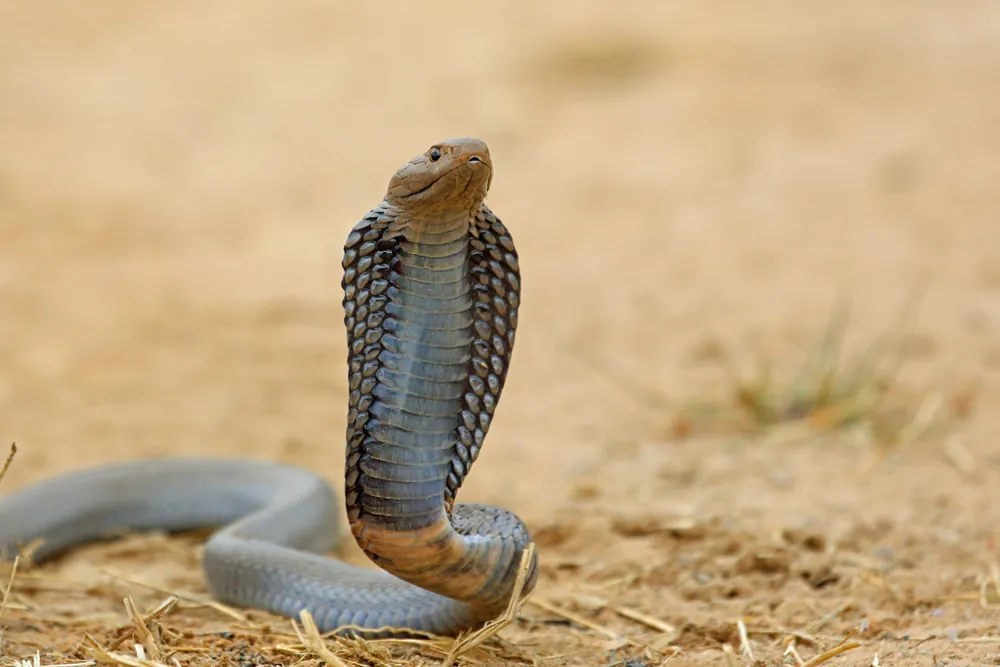
 ວິທີສັງເກດມັນ
- Moderately sized, with a moderately distinct head, and grows to 1.2 to 2.2 metres.1
- Many specimens have a broad black neck band, often with an orange or pinkish bar on the neck.1
- Colours vary by region: black or pale grey, yellowish-brown, deep reddish-brown, olive brown, striped black and white, or totally white with dark eyes.1
- Some have a yellow or reddish belly, while others lack the neck bands and belly colour.1
ພະລັງພິດ
ມັນສີດ ຫຼື ພົ່ນນ້ຳທີ່ເຮັດໃຫ້ແສບໃສ່ສັດທີ່ມາທຳຮ້າຍມັນ
ພິດທີ່ມັນປ່ອຍອອກມາເຮັດຫຍັງ?
Its venom is mostly cytotoxic, meaning it destroys cells, and it also has typical elapid neurotoxic (nerve-attacking) effects and cardiotoxic (heart-damaging) components. A bite causes severe bleeding from the wound, tissue death around the bite, and difficulty breathing. Venom in the eyes causes extreme burning pain, loss of coordination, partial loss of vision, and permanent blindness.1
ມັນອັນຕະລາຍຕໍ່ຄົນປານໃດ?
ອັນຕະລາຍຕໍ່ຄົນ: ອັນຕະລາຍຫຼາຍມັນເຮັດໃຫ້ຄົນທີ່ບໍ່ໄດ້ຮັບການປິ່ນປົວເສຍຊີວິດໄດ້Its venom is medically significant. The death rate for untreated bites is about 5 to 10%, and under 1% in areas where it is common. When death occurs, it is usually from paralysis of the diaphragm, the muscle used for breathing.1
ມັນເຮັດແນວໃດເວລາມັນຢ້ານ?
It spits venom from its fangs at a threat, reaching up to 7 metres with good accuracy. It also bites readily, even with only slight provocation.1
 ຖ້າມັນກັດ ຫຼື ພົ່ນພິດ
- If venom gets into the eyes, it should be washed off, because permanent blindness can follow if it is not. Anyone bitten should get medical treatment, as untreated bites carry a much higher risk of death.1
- ໃຫ້ຜູ້ປ່ວຍຢູ່ນິ້ງໆ ແລະ ໃຈເຢັນ, ຖອດແຫວນ ແລະ ສິ່ງທີ່ຮັດແໜ້ນອອກ, ແລະ ໄປໂຮງໝໍໃຫ້ໄວ: ເຊຣຸ່ມຕ້ານພິດແມ່ນການປິ່ນປົວ
- ຖ້າພິດຖືກພົ່ນເຂົ້າຕາ, ລ້າງຕາດ້ວຍນ້ຳສະອາດຫຼາຍໆທັນທີ
ໂທຫາເບີສຸກເສີນກ່ອນສະເໝີ (112, 000, 911) ນີ້ແມ່ນຄຳແນະນຳການປະຖົມພະຍາບານທົ່ວໄປ, ບໍ່ແມ່ນຄຳແນະນຳທາງການແພດ ພື້ນຖານການປະຖົມພະຍາບານ
 ຢູ່ຢ່າງປອດໄພ
- ຢ່າຈັບ, ຢ່າຈັບເອົາ ຫຼື ຢ່າຫຍອກສັດປ່າເດັດຂາດ, ເຖິງແມ່ນມັນໂຕນ້ອຍ ແລະ ເຖິງແມ່ນມັນເບິ່ງຄືນອນຫຼັບ ຫຼື ຕາຍແລ້ວ
- ໃຫ້ພື້ນທີ່ມັນ ຖ້າເຈົ້າພົບມັນ, ໃຈເຢັນໄວ້, ຖອຍຫຼັງຊ້າໆ ແລະ ປ່ອຍໃຫ້ມັນໄປທາງຂອງມັນ
- ຖ້າມີໂຕໃດກັດເຈົ້າ ຫຼື ພົ່ນພິດເຂົ້າຕາເຈົ້າ: ໃຈເຢັນໄວ້, ຢູ່ນິ້ງໆ, ໂທຫາເບີສຸກເສີນ (112, 000, 911) ຫຼື ໄປໂຮງໝໍໃຫ້ໄວ ຈື່ໄວ້ວ່າມັນມີລັກສະນະແນວໃດ, ຮູບຖ່າຍຊ່ວຍໄດ້
ມັນບໍ່ໄດ້ຢາກທຳຮ້າຍເຈົ້າ ມັນໃຊ້ພິດເພື່ອຈັບອາຫານ ຫຼື ເພື່ອປ້ອງກັນຕົວ, ແລະ ມັນມັກລີ້ຫຼາຍກວ່າ ເພີ່ມເຕີມກ່ຽວກັບການຢູ່ຢ່າງປອດໄພ
ມັນໃຫຍ່ປານໃດ?
ມັນຍາວປານໃດ?
 ຍາວເທົ່າແມວບ້ານ 4 ໂຕຕໍ່ດັງຕໍ່ຫາງ
 ຍາວເທົ່າກ້ວຍ 12 ໜ່ວຍຕໍ່ກັນ
 ແລ່ນ 100 ແມັດໄດ້ໃນ 46 ວິນາທີ (ຄົນທີ່ໄວທີ່ສຸດໃຊ້ 9.6)
Black-necked spitting cobra ໃຫຍ່ປານໃດ ເມື່ອທຽບກັບເຈົ້າ?
ພຽງແຕ່ຄິດໄລ່ໃນບຣາວເຊີຂອງເຈົ້າ ບໍ່ມີຫຍັງຖືກບັນທຶກ ຫຼື ສົ່ງໄປບ່ອນໃດ
ມັນໄວປານໃດ?


ຂໍ້ມູນ
It can spit venom accurately more than 7 metres away.1
In 1944, a British eye surgeon, Major Harold Ridley, described eye damage from a spit from this cobra in Ghana. He treated the man and followed his case until the eye fully recovered.1
A single bite can deliver 200 to 350 mg of venom (dry weight), according to a 1974 study by Minton.1
It is an excellent tree climber and can live in trees at times.1
Wild-caught individuals tend to be nervous and spit readily, while captive-bred animals are much calmer.1
It can be active at night or during the day, depending on the season, location and temperature.1
ນັກລົບລ້າງຄວາມເຊື່ອຜິດໆ
ຄວາມເຊື່ອຜິດໆ: Spitting cobras only spit venom and do not bite.
ຄວາມຈິງ: The black-necked spitting cobra also bites, and it will do so with only slight provocation.1
ສຳລັບຜູ້ຊ່ຽວຊານດ້ານພິດ
ຂໍ້ມູນມາຈາກໃສ
- Black-necked spitting cobra (Wikipedia (CC BY-SA 4.0))
- Naja nigricollis (iNaturalist): ຊື່ ແລະ ການຈັດໝວດໝູ່
- Venom Wiki: ລະດັບອັນຕະລາຍ, ຂະໜາດທົ່ວໄປ ແລະ ຄວາມໄວທີ່ຄາດຄະເນ ແມ່ນຂອງພວກເຮົາເອງ ເບິ່ງວ່າພວກເຮົາຄິດໄລ່ແນວໃດ: ພວກເຮົາໃຫ້ຄະແນນອັນຕະລາຍແນວໃດ.
ທຸກຂໍ້ມູນໃນໜ້ານີ້ມີຕົວເລກທີ່ຊີ້ໄປຫາແຫຼ່ງທີ່ມາ ຖ້າພວກເຮົາຜິດພາດ, ຂໍໂທດເດີ້, ພວກເຮົາເປັນຄົນມັກສັດ ບໍ່ແມ່ນວາລະສານວິທະຍາສາດ ບອກພວກເຮົາທີ່ [email protected] ແລ້ວພວກເຮົາຈະແກ້ໄຂ
 ແມງເງົາຫິວແລ້ວ! Venom Wiki ເປັນໂຄງການຂອງຄົນຄົນດຽວ: ຟຣີ, ບໍ່ມີໂຄສະນາ ແລະ ບໍ່ມີຕົວຕິດຕາມ ທິບນ້ອຍໆຊ່ວຍໃຫ້ມັນຢູ່ອອນລາຍຕໍ່ໄປໄດ້ໃຫ້ອາຫານແມງເງົາ
ເພີ່ມເຕີມຈາກກຸ່ມດຽວກັນ: ງູເຫົ່າ, ງູແມມບາ ແລະ ງູສາມຫຼ່ຽມ
 Black mambaງູເຫົ່າ, ງູແມມບາ ແລະ ງູສາມຫຼ່ຽມເຖິງຕາຍ
 Egyptian cobraງູເຫົ່າ, ງູແມມບາ ແລະ ງູສາມຫຼ່ຽມເຖິງຕາຍ
 Cape cobraງູເຫົ່າ, ງູແມມບາ ແລະ ງູສາມຫຼ່ຽມເຖິງຕາຍ
 Eastern green mambaງູເຫົ່າ, ງູແມມບາ ແລະ ງູສາມຫຼ່ຽມເຖິງຕາຍ
 Jameson's mambaງູເຫົ່າ, ງູແມມບາ ແລະ ງູສາມຫຼ່ຽມເຖິງຕາຍ
 Western green mambaງູເຫົ່າ, ງູແມມບາ ແລະ ງູສາມຫຼ່ຽມເຖິງຕາຍ
 Deathstalker
 Puff adder
 Boomslang
 Fat-tailed scorpion
 Gaboon viper
 Western honey bee