
 ອາຟຣິກາ
 ອາຊີ
ອາຊີ ເອີຣົບ
 ອາເມລິກາໃຕ້
 ອົດສະຕຣາລີ ແລະ ໂອເຊຍເນຍ
 ແອນຕາກຕິກາ
 ມະຫາສະໝຸດປາຊີຟິກ
 ມະຫາສະໝຸດອັດລັງຕິກ
 ມະຫາສະໝຸດອິນເດຍ
 ມະຫາສະໝຸດອາກຕິກ
 ທະເລເມດິເຕີເຣນຽນ
 ທະເລແດງ
 ທະເລຄາຣິບບຽນ
 ທະເລຄໍຣັລ
 ທະເລຈີນໃຕ້
 ທະເລຟິລິບປິນ
 ທະເລອັນດາມັນ
 ທະເລເໜືອ
 ທະເລຕີມໍ ແລະ ທະເລອາຣາຟູຣາ
 ອ່າວເບັງກອນ
 ອ່າວແຄລິຟໍເນຍ
Christmas tree hydroid
 ຕອດ
ຕອດThe Christmas tree hydroid is a small, branching sea creature that grows in colonies on rocks and hard surfaces in shallow water. It is found in warm seas around the world, and it is common in the Mediterranean Sea. Scientists have used it to study how animals catch their prey.1

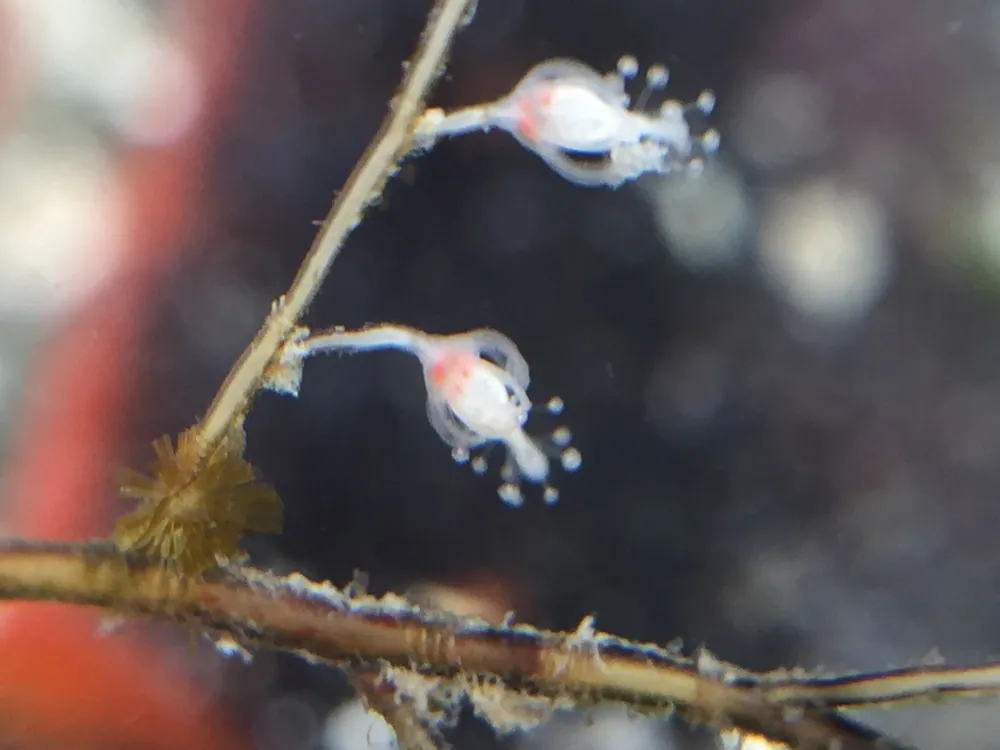
 ວິທີສັງເກດມັນ
- Colonies have many branching stems, up to 30 cm high, arranged in a tree-like shape1
- The stalks are dark brown or blackish, but are often coated with algae and diatoms, giving them a muddy look1
- The tiny whitish polyps are tinged with red1
- Each polyp has many slender tentacles at its base and up to twelve tentacles with knobbed tips around its mouth1
ພະລັງພິດ
ພິດອອກມາທາງເຫຼັກໃນ
ພິດທີ່ມັນປ່ອຍອອກມາເຮັດຫຍັງ?
Contact with a rope on which this hydroid was growing caused an acute, painful skin inflammation (dermatitis) in several people. Contact with the stinging cells on its tentacles is the cause.1
ມັນອັນຕະລາຍຕໍ່ຄົນປານໃດ?
ອັນຕະລາຍຕໍ່ຄົນ: ເຈັບມັນເຈັບຫຼາຍແທ້, ແຕ່ເກືອບບໍ່ເຄີຍຮ້າຍແຮງSeveral people who touched a rope covered in this hydroid got an acute, painful dermatitis. No deaths are known.1
 ຖ້າມັນຕອດ
- ຂຶ້ນຈາກນ້ຳ ແລະ ເກັບໜວດພິດອອກ (ໃຊ້ຖົງມື ຫຼື ຜ້າ)
- ສຳລັບແມງກະພຸນກ່ອງເຂດຮ້ອນ: ເທນ້ຳສົ້ມສາຍຊູໃສ່ບ່ອນຖືກຕອດຢ່າງໜ້ອຍ 30 ວິນາທີ, ໂທຂໍຄວາມຊ່ວຍເຫຼືອ ແລະ ກຽມພ້ອມເຮັດ CPR (ການກູ້ຊີບ) ສຳລັບແມງກະພຸນຂວດສີຟ້າ ແລະ ຊະນິດອື່ນໆສ່ວນຫຼາຍ: ລ້າງດ້ວຍນ້ຳທະເລ, ແລ້ວໃຊ້ນ້ຳຮ້ອນເພື່ອບັນເທົາຄວາມເຈັບ
ໂທຫາເບີສຸກເສີນກ່ອນສະເໝີ (112, 000, 911) ນີ້ແມ່ນຄຳແນະນຳການປະຖົມພະຍາບານທົ່ວໄປ, ບໍ່ແມ່ນຄຳແນະນຳທາງການແພດ ພື້ນຖານການປະຖົມພະຍາບານ
 ຢູ່ຢ່າງປອດໄພ
- ຢ່າຈັບ, ຢ່າຈັບເອົາ ຫຼື ຢ່າຫຍອກສັດປ່າເດັດຂາດ, ເຖິງແມ່ນມັນໂຕນ້ອຍ ແລະ ເຖິງແມ່ນມັນເບິ່ງຄືນອນຫຼັບ ຫຼື ຕາຍແລ້ວ
- ໃຫ້ພື້ນທີ່ມັນ ຖ້າເຈົ້າພົບມັນ, ໃຈເຢັນໄວ້, ຖອຍຫຼັງຊ້າໆ ແລະ ປ່ອຍໃຫ້ມັນໄປທາງຂອງມັນ
- ຖ້າມີໂຕໃດຕອດເຈົ້າ: ໃຈເຢັນໄວ້, ຢູ່ນິ້ງໆ, ໂທຫາເບີສຸກເສີນ (112, 000, 911) ຫຼື ໄປໂຮງໝໍໃຫ້ໄວ ຈື່ໄວ້ວ່າມັນມີລັກສະນະແນວໃດ, ຮູບຖ່າຍຊ່ວຍໄດ້
ມັນບໍ່ໄດ້ຢາກທຳຮ້າຍເຈົ້າ ມັນໃຊ້ພິດເພື່ອຈັບອາຫານ ຫຼື ເພື່ອປ້ອງກັນຕົວ, ແລະ ມັນມັກລີ້ຫຼາຍກວ່າ ເພີ່ມເຕີມກ່ຽວກັບການຢູ່ຢ່າງປອດໄພ
ຢູ່ໃສໃນໂລກ?
ມັນໃຫຍ່ປານໃດ?
ມັນຍາວປານໃດ?
 ຍາວເທົ່າຕັນຕໍ່ເຄື່ອງຫຼິ້ນ 9 ອັນລຽງກັນ
 ຊ້າກວ່າຫອຍທາກໃນສວນ
Christmas tree hydroid ໃຫຍ່ປານໃດ ເມື່ອທຽບກັບເຈົ້າ?
ພຽງແຕ່ຄິດໄລ່ໃນບຣາວເຊີຂອງເຈົ້າ ບໍ່ມີຫຍັງຖືກບັນທຶກ ຫຼື ສົ່ງໄປບ່ອນໃດ
ມັນໄວປານໃດ?

ຂໍ້ມູນ
It has spread around the world largely through people's maritime activities, by attaching to ships and structures.1
It has been used in research into how animals capture their prey.1
Colonies grow by budding, which forms new feeding polyps.1
Its free-swimming larvae drift with the plankton before settling on a hard surface.1
ສຳລັບຜູ້ຊ່ຽວຊານດ້ານພິດ
- ຊື່ວິທະຍາສາດ
- Pennaria disticha
- ກຸ່ມ
- ແມງກະພຸນ ແລະ ສັດທະເລທີ່ຕອດໄດ້
- ຄອບຄົວ
- Pennariidae2
- ອັນດັບ
- Anthoathecata
- ທະວີບຕ່າງໆ
- ມະຫາສະໝຸດອັດລັງຕິກ, ມະຫາສະໝຸດປາຊີຟິກ, ມະຫາສະໝຸດອິນເດຍ, ທະເລຄາຣິບບຽນ, ທະເລເມດິເຕີເຣນຽນ, ອ່າວເມັກຊິໂກ, ທະເລຕີມໍ ແລະ ທະເລອາຣາຟູຣາ, ອ່າວເບັງກອນ, ອ່າວແຄລິຟໍເນຍ, ມະຫາສະໝຸດ
- ລູກສັດ
- Females release up to six eggs. Each embryo develops within a day or so into a free-swimming larva called a planula, which later settles on a hard surface to start a new colony.1
- ອັນຕະລາຍຕໍ່ຄົນ
- 2 / 5: ເຈັບ3
ຂໍ້ມູນມາຈາກໃສ
- Pennaria disticha (Wikipedia (CC BY-SA 4.0))
- Pennaria disticha (iNaturalist): ຊື່ ແລະ ການຈັດໝວດໝູ່
- Venom Wiki: ລະດັບອັນຕະລາຍ, ຂະໜາດທົ່ວໄປ ແລະ ຄວາມໄວທີ່ຄາດຄະເນ ແມ່ນຂອງພວກເຮົາເອງ ເບິ່ງວ່າພວກເຮົາຄິດໄລ່ແນວໃດ: ພວກເຮົາໃຫ້ຄະແນນອັນຕະລາຍແນວໃດ.
ທຸກຂໍ້ມູນໃນໜ້ານີ້ມີຕົວເລກທີ່ຊີ້ໄປຫາແຫຼ່ງທີ່ມາ ຖ້າພວກເຮົາຜິດພາດ, ຂໍໂທດເດີ້, ພວກເຮົາເປັນຄົນມັກສັດ ບໍ່ແມ່ນວາລະສານວິທະຍາສາດ ບອກພວກເຮົາທີ່ [email protected] ແລ້ວພວກເຮົາຈະແກ້ໄຂ
 ແມງເງົາຫິວແລ້ວ! Venom Wiki ເປັນໂຄງການຂອງຄົນຄົນດຽວ: ຟຣີ, ບໍ່ມີໂຄສະນາ ແລະ ບໍ່ມີຕົວຕິດຕາມ ທິບນ້ອຍໆຊ່ວຍໃຫ້ມັນຢູ່ອອນລາຍຕໍ່ໄປໄດ້ໃຫ້ອາຫານແມງເງົາ
ເພີ່ມເຕີມຈາກກຸ່ມດຽວກັນ: ແມງກະພຸນ ແລະ ສັດທະເລທີ່ຕອດໄດ້
 Australian box jellyfishແມງກະພຸນ ແລະ ສັດທະເລທີ່ຕອດໄດ້ເຖິງຕາຍຫ້າມຈັບ
 Irukandji jellyfishແມງກະພຸນ ແລະ ສັດທະເລທີ່ຕອດໄດ້ເຖິງຕາຍໄດ້ຫ້າມຈັບ
 Portuguese man o' warແມງກະພຸນ ແລະ ສັດທະເລທີ່ຕອດໄດ້ຕ້ອງໄປຫາໝໍຫ້າມຈັບ
 Lion's mane jellyfishແມງກະພຸນ ແລະ ສັດທະເລທີ່ຕອດໄດ້ພຽງແຕ່ເຈັບຫ້າມຈັບ
 Moon jellyfishແມງກະພຸນ ແລະ ສັດທະເລທີ່ຕອດໄດ້ບໍ່ມີອັນຕະລາຍ
 Common kingslayerແມງກະພຸນ ແລະ ສັດທະເລທີ່ຕອດໄດ້ເຖິງຕາຍໄດ້ຫ້າມຈັບ
 Hawksbill sea turtle
 Blue sea dragon
 Greenland shark
 Common octopus
 Common stingray
 Greater weever