
 ອາຟຣິກາ
 ອາຊີ
ອາຊີ ເອີຣົບ
 ອາເມລິກາໃຕ້
 ອົດສະຕຣາລີ ແລະ ໂອເຊຍເນຍ
 ແອນຕາກຕິກາ
 ມະຫາສະໝຸດປາຊີຟິກ
 ມະຫາສະໝຸດອັດລັງຕິກ
 ມະຫາສະໝຸດອິນເດຍ
 ມະຫາສະໝຸດອາກຕິກ
 ທະເລເມດິເຕີເຣນຽນ
 ທະເລແດງ
 ທະເລຄາຣິບບຽນ
 ທະເລຄໍຣັລ
 ທະເລຈີນໃຕ້
 ທະເລຟິລິບປິນ
 ທະເລອັນດາມັນ
 ທະເລເໜືອ
 ທະເລຕີມໍ ແລະ ທະເລອາຣາຟູຣາ
 ອ່າວເບັງກອນ
 ອ່າວແຄລິຟໍເນຍ
Climbing mantella
 ມີພິດຢູ່ໃນຜິວໜັງ
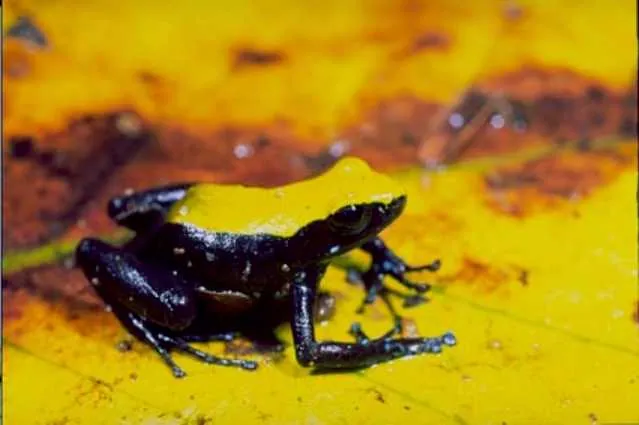
The climbing mantella is a small, brightly coloured frog that lives in the lowland rainforests of northeast Madagascar. It is a poison frog, so its skin holds chemicals that can harm predators. It is special because it is one of the few frogs whose parents care for their tadpoles by feeding them eggs.1



 ວິທີສັງເກດມັນ
- Adults are 24–30 mm long and weigh 1.2–2.0 g1
- Front of the back is bright yellow or pale green1
- Arms, legs, belly and rear are black, with blue spots on the limbs1
- Eyes are completely black1
- Has discs at the tips of its fingers and toes, and the toes are webbed1
ມັກສັບສົນກັບ: M. betsileo, M. viridis and M. expectata look similar but are differently coloured. They often have blue spots on the throat rather than the limbs, and they have a faint line along the upper lip, which the climbing mantella lacks.1
ພະລັງພິດ
ຜິວໜັງຂອງມັນມີພິດ ມັນອັນຕະລາຍເມື່ອຈັບ, ເລຍ ຫຼື ກິນ
ພິດໃນຕົວຂອງມັນເຮັດຫຍັງ?
This frog is poisonous rather than venomous. Its skin glands contain lipophilic alkaloids, the chemicals that make up its poison, which it gets from the arthropods it eats. Researchers have found 41 different potent alkaloids in its skin. Captive frogs lose their toxicity over time.1
ມັນອັນຕະລາຍຕໍ່ຄົນປານໃດ?
ອັນຕະລາຍຕໍ່ຄົນ: ເລັກນ້ອຍຄືກັບເຜິ້ງຕອດ ຫຼື ໜ້ອຍກວ່າ ເກືອບບໍ່ເປັນອັນຕະລາຍຕໍ່ຄົນມັນເຮັດແນວໃດເວລາມັນຢ້ານ?
Its bright colours warn predators that its skin is toxic.1
 ຖ້າມີຄົນໄປຈັບ ຫຼື ກິນມັນ
- ຖ້າມີຄົນໄປຈັບມັນ: ລ້າງມືໃຫ້ສະອາດດີ ແລະ ຢ່າຈັບຕາ ຫຼື ປາກ ຖ້າເດັກນ້ອຍ ຫຼື ສັດລ້ຽງໄປເລຍ ຫຼື ກິນມັນ: ໂທຫາສູນຂໍ້ມູນສານພິດ ຫຼື ເບີສຸກເສີນ
ໂທຫາເບີສຸກເສີນກ່ອນສະເໝີ (112, 000, 911) ນີ້ແມ່ນຄຳແນະນຳການປະຖົມພະຍາບານທົ່ວໄປ, ບໍ່ແມ່ນຄຳແນະນຳທາງການແພດ ພື້ນຖານການປະຖົມພະຍາບານ
 ຢູ່ຢ່າງປອດໄພ
- ຢ່າຈັບ, ຢ່າຈັບເອົາ ຫຼື ຢ່າຫຍອກສັດປ່າເດັດຂາດ, ເຖິງແມ່ນມັນໂຕນ້ອຍ ແລະ ເຖິງແມ່ນມັນເບິ່ງຄືນອນຫຼັບ ຫຼື ຕາຍແລ້ວ
- ໃຫ້ພື້ນທີ່ມັນ ຖ້າເຈົ້າພົບມັນ, ໃຈເຢັນໄວ້, ຖອຍຫຼັງຊ້າໆ ແລະ ປ່ອຍໃຫ້ມັນໄປທາງຂອງມັນ
- ຖ້າເຈົ້າໄປຈັບ ຫຼື ກິນມັນ: ຢ່າຖູຕາ ຫຼື ປາກ, ລ້າງມື ແລະ ໄປຫາໝໍ
ມັນບໍ່ໄດ້ຢາກທຳຮ້າຍເຈົ້າ ພິດຂອງມັນມີໄວ້ພຽງເພື່ອບໍ່ໃຫ້ຫຍັງມາກິນມັນ ເພີ່ມເຕີມກ່ຽວກັບການຢູ່ຢ່າງປອດໄພ
ມັນໃຫຍ່ປານໃດ?
ມັນຍາວປານໃດ?
ມັນໜັກປານໃດ?
 ຍາວປະມານຄລິບໜີບເຈ້ຍອັນໜຶ່ງ
 ເບົາຈົນເຈົ້າບໍ່ຮູ້ສຶກເລີຍເມື່ອມັນຢູ່ເທິງມື
 ແລ່ນ 100 ແມັດໄດ້ໃນ 100 ວິນາທີ (ຄົນທີ່ໄວທີ່ສຸດໃຊ້ 9.6)
Climbing mantella ໃຫຍ່ປານໃດ ເມື່ອທຽບກັບເຈົ້າ?
ພຽງແຕ່ຄິດໄລ່ໃນບຣາວເຊີຂອງເຈົ້າ ບໍ່ມີຫຍັງຖືກບັນທຶກ ຫຼື ສົ່ງໄປບ່ອນໃດ
ມັນໄວປານໃດ?


ຂໍ້ມູນ
Its tadpoles eat only the eggs of their own species, and the parents feed them unfertilized eggs.1
Males defend territories of about 2 square metres and fight by wrestling, chasing and leaping, sometimes for over 1.5 hours.1
Female frogs choose a mate based on the quality of the male's well, not on his call.1
The climbing mantella is the only member of the Mantella genus that breeds in water-filled wells in trees, tree holes or broken bamboo stalks.1
Its chemical defence has developed in a similar way to that of the dart frogs of Dendrobatidae, although the two families are only distantly related.1
ສຳລັບຜູ້ຊ່ຽວຊານດ້ານພິດ
- ຊື່ວິທະຍາສາດ
- Mantella laevigata
- ກຸ່ມ
- ກົບພິດ, ຄັນຄາກ ແລະ ນິວ
- ຄອບຄົວ
- Mantellidae2
- ອັນດັບ
- Anura
- ທະວີບຕ່າງໆ
- ອາຟຣິກາ
- ລູກສັດ
- Usually lays only one large egg, 3–3.5 mm across, at the side of a water-filled well or above the water line. The parents feed tadpoles unfertilized eggs.1
- ສະຖານະຂອງມັນໃນທຳມະຊາດ
- Least Concern (IUCN Red List, 2016), though its population is suspected to be decreasing1
- ອັນຕະລາຍຕໍ່ຄົນ
- 1 / 5: ເລັກນ້ອຍ3
ຂໍ້ມູນມາຈາກໃສ
- Climbing mantella (Wikipedia (CC BY-SA 4.0))
- Mantella laevigata (iNaturalist): ຊື່ ແລະ ການຈັດໝວດໝູ່
- Venom Wiki: ລະດັບອັນຕະລາຍ, ຂະໜາດທົ່ວໄປ ແລະ ຄວາມໄວທີ່ຄາດຄະເນ ແມ່ນຂອງພວກເຮົາເອງ ເບິ່ງວ່າພວກເຮົາຄິດໄລ່ແນວໃດ: ພວກເຮົາໃຫ້ຄະແນນອັນຕະລາຍແນວໃດ.
ທຸກຂໍ້ມູນໃນໜ້ານີ້ມີຕົວເລກທີ່ຊີ້ໄປຫາແຫຼ່ງທີ່ມາ ຖ້າພວກເຮົາຜິດພາດ, ຂໍໂທດເດີ້, ພວກເຮົາເປັນຄົນມັກສັດ ບໍ່ແມ່ນວາລະສານວິທະຍາສາດ ບອກພວກເຮົາທີ່ [email protected] ແລ້ວພວກເຮົາຈະແກ້ໄຂ
 ແມງເງົາຫິວແລ້ວ! Venom Wiki ເປັນໂຄງການຂອງຄົນຄົນດຽວ: ຟຣີ, ບໍ່ມີໂຄສະນາ ແລະ ບໍ່ມີຕົວຕິດຕາມ ທິບນ້ອຍໆຊ່ວຍໃຫ້ມັນຢູ່ອອນລາຍຕໍ່ໄປໄດ້ໃຫ້ອາຫານແມງເງົາ
ເພີ່ມເຕີມຈາກກຸ່ມດຽວກັນ: ກົບພິດ, ຄັນຄາກ ແລະ ນິວ
 Golden mantellaກົບພິດ, ຄັນຄາກ ແລະ ນິວບໍ່ມີອັນຕະລາຍ
 Iberian ribbed newtກົບພິດ, ຄັນຄາກ ແລະ ນິວບໍ່ມີອັນຕະລາຍ
 Tomato frogກົບພິດ, ຄັນຄາກ ແລະ ນິວບໍ່ມີອັນຕະລາຍ
 African common toadກົບພິດ, ຄັນຄາກ ແລະ ນິວພຽງແຕ່ເຈັບຫ້າມຈັບ
 Baron's mantellaກົບພິດ, ຄັນຄາກ ແລະ ນິວບໍ່ມີອັນຕະລາຍ
 Blue-legged mantellaກົບພິດ, ຄັນຄາກ ແລະ ນິວບໍ່ມີອັນຕະລາຍ
 Black mamba
 Deathstalker
 Egyptian cobra
 Puff adder
 Boomslang
 Fat-tailed scorpion