
 ອາຟຣິກາ
 ອາຊີ
ອາຊີ ເອີຣົບ
 ອາເມລິກາໃຕ້
 ອົດສະຕຣາລີ ແລະ ໂອເຊຍເນຍ
 ແອນຕາກຕິກາ
 ມະຫາສະໝຸດປາຊີຟິກ
 ມະຫາສະໝຸດອັດລັງຕິກ
 ມະຫາສະໝຸດອິນເດຍ
 ມະຫາສະໝຸດອາກຕິກ
 ທະເລເມດິເຕີເຣນຽນ
 ທະເລແດງ
 ທະເລຄາຣິບບຽນ
 ທະເລຄໍຣັລ
 ທະເລຈີນໃຕ້
 ທະເລຟິລິບປິນ
 ທະເລອັນດາມັນ
 ທະເລເໜືອ
 ທະເລຕີມໍ ແລະ ທະເລອາຣາຟູຣາ
 ອ່າວເບັງກອນ
 ອ່າວແຄລິຟໍເນຍ
Habu
 ກັດ
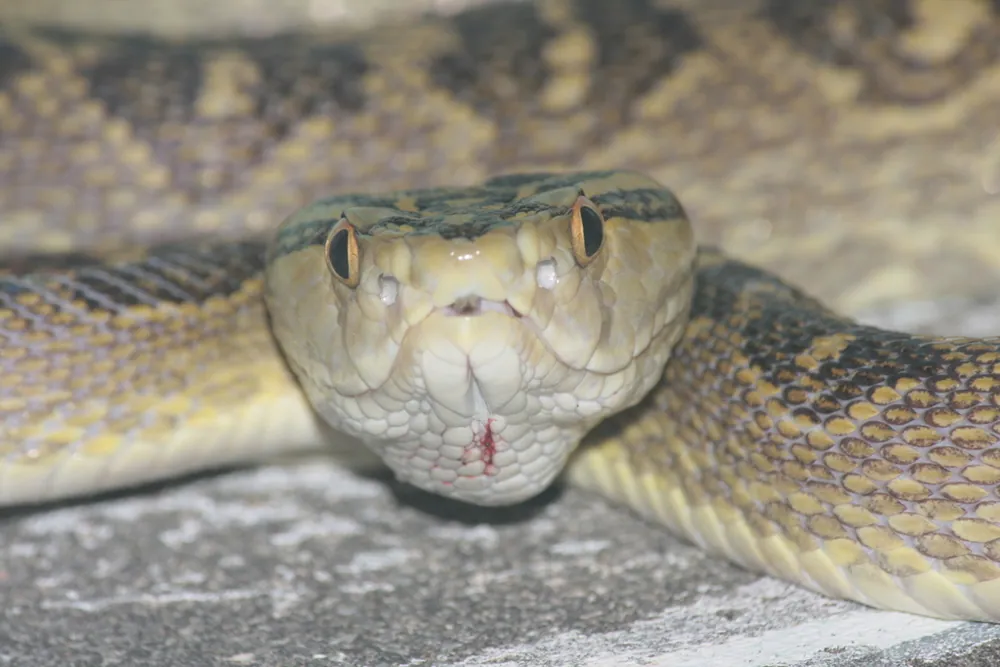
ກັດThe habu is a venomous pit viper that lives on the Ryukyu Islands of Japan, including Okinawa and the Amami Islands. It is the largest member of its genus, Protobothrops. Its bite is serious, so it is important to know what it looks like.1

 ວິທີສັງເກດມັນ
- Typically 120 to 150 cm long, including the tail, and slender with a large head1
- Light olive or brown body with elongated dark green or brownish blotches1
- Blotches have yellow edges, sometimes yellow spots, and often join to form wavy stripes1
- Whitish belly with dark edges1
- Crown of the head covered with small scales1
ມັກສັບສົນກັບ: In Okinawa Prefecture, the name habu can also refer to the Sakishima habu (Protobothrops elegans), also called the elegant pit viper. This is a different species.1
ພະລັງພິດ
ພິດອອກມາທາງເຂ້ຍ ຫຼື ແຂ້ວຂອງມັນ ເວລາມັນກັດ
ພິດທີ່ມັນປ່ອຍອອກມາເຮັດຫຍັງ?
The venom is highly toxic and contains cytotoxin, which damages body cells, and hemorrhagin, which damages blood vessels and causes bleeding. A bite can cause nausea, vomiting and low blood pressure, and it can possibly cause death. Some victims have lost movement in their hands and legs, even after treatment.1
ມັນອັນຕະລາຍຕໍ່ຄົນປານໃດ?
ອັນຕະລາຍຕໍ່ຄົນ: ອັນຕະລາຍຫຼາຍມັນເຮັດໃຫ້ຄົນທີ່ບໍ່ໄດ້ຮັບການປິ່ນປົວເສຍຊີວິດໄດ້The Amami Islands have about two snakebites per 1,000 people, which is considered very high. The fatality rate is less than 1%. Bites are not life-threatening if the victim receives medical care promptly, but 6 to 8% of victims suffer permanent disability.1
ມັນເຮັດແນວໃດເວລາມັນຢ້ານ?
The habu is bold and irritable, and it can strike quickly from a long reach.1
 ຖ້າມັນກັດ
- Get medical care promptly. With prompt medical care, bites are not life-threatening.1
- ໃຫ້ຜູ້ປ່ວຍຢູ່ນິ້ງໆ ແລະ ໃຈເຢັນ, ໃຫ້ແຂນ ຫຼື ຂາທີ່ຖືກກັດຢູ່ລະດັບດຽວກັບຫົວໃຈ, ຖອດແຫວນ ແລະ ສິ່ງທີ່ຮັດແໜ້ນອອກ, ແລະ ໄປໂຮງໝໍໃຫ້ໄວ
ໂທຫາເບີສຸກເສີນກ່ອນສະເໝີ (112, 000, 911) ນີ້ແມ່ນຄຳແນະນຳການປະຖົມພະຍາບານທົ່ວໄປ, ບໍ່ແມ່ນຄຳແນະນຳທາງການແພດ ພື້ນຖານການປະຖົມພະຍາບານ
 ຢູ່ຢ່າງປອດໄພ
- ຢ່າຈັບ, ຢ່າຈັບເອົາ ຫຼື ຢ່າຫຍອກສັດປ່າເດັດຂາດ, ເຖິງແມ່ນມັນໂຕນ້ອຍ ແລະ ເຖິງແມ່ນມັນເບິ່ງຄືນອນຫຼັບ ຫຼື ຕາຍແລ້ວ
- ໃຫ້ພື້ນທີ່ມັນ ຖ້າເຈົ້າພົບມັນ, ໃຈເຢັນໄວ້, ຖອຍຫຼັງຊ້າໆ ແລະ ປ່ອຍໃຫ້ມັນໄປທາງຂອງມັນ
- ຖ້າມີໂຕໃດກັດເຈົ້າ: ໃຈເຢັນໄວ້, ຢູ່ນິ້ງໆ, ໂທຫາເບີສຸກເສີນ (112, 000, 911) ຫຼື ໄປໂຮງໝໍໃຫ້ໄວ ຈື່ໄວ້ວ່າມັນມີລັກສະນະແນວໃດ, ຮູບຖ່າຍຊ່ວຍໄດ້
ມັນບໍ່ໄດ້ຢາກທຳຮ້າຍເຈົ້າ ມັນໃຊ້ພິດເພື່ອຈັບອາຫານ ຫຼື ເພື່ອປ້ອງກັນຕົວ, ແລະ ມັນມັກລີ້ຫຼາຍກວ່າ ເພີ່ມເຕີມກ່ຽວກັບການຢູ່ຢ່າງປອດໄພ
ມັນໃຫຍ່ປານໃດ?
ມັນຍາວປານໃດ?
 ຍາວເທົ່າແມວບ້ານ 5 ໂຕຕໍ່ດັງຕໍ່ຫາງ
 ຍາວເທົ່າກ້ວຍ 13 ໜ່ວຍຕໍ່ກັນ
 ແລ່ນ 100 ແມັດໄດ້ໃນ 86 ວິນາທີ (ຄົນທີ່ໄວທີ່ສຸດໃຊ້ 9.6)
Habu ໃຫຍ່ປານໃດ ເມື່ອທຽບກັບເຈົ້າ?
ພຽງແຕ່ຄິດໄລ່ໃນບຣາວເຊີຂອງເຈົ້າ ບໍ່ມີຫຍັງຖືກບັນທຶກ ຫຼື ສົ່ງໄປບ່ອນໃດ
ມັນໄວປານໃດ?


ຂໍ້ມູນ
On Okinawa, habus are heavily collected to make habushu, a liquor made from awamori sake, which is said to have medicinal properties.1
Unlike most pit vipers, the habu lays eggs rather than giving birth to live young.1
Hatchlings are about 25 cm long and look the same as the adults.1
The small Indian mongoose was introduced to Okinawa in 1910 to reduce the habu population. The effects of this have not been studied, but similar introductions have harmed native wildlife.1
The habu is the largest member of its genus, Protobothrops.1
ສຳລັບຜູ້ຊ່ຽວຊານດ້ານພິດ
ຂໍ້ມູນມາຈາກໃສ
- Protobothrops flavoviridis (Wikipedia (CC BY-SA 4.0))
- Protobothrops flavoviridis (iNaturalist): ຊື່ ແລະ ການຈັດໝວດໝູ່
- Venom Wiki: ລະດັບອັນຕະລາຍ, ຂະໜາດທົ່ວໄປ ແລະ ຄວາມໄວທີ່ຄາດຄະເນ ແມ່ນຂອງພວກເຮົາເອງ ເບິ່ງວ່າພວກເຮົາຄິດໄລ່ແນວໃດ: ພວກເຮົາໃຫ້ຄະແນນອັນຕະລາຍແນວໃດ.
ທຸກຂໍ້ມູນໃນໜ້ານີ້ມີຕົວເລກທີ່ຊີ້ໄປຫາແຫຼ່ງທີ່ມາ ຖ້າພວກເຮົາຜິດພາດ, ຂໍໂທດເດີ້, ພວກເຮົາເປັນຄົນມັກສັດ ບໍ່ແມ່ນວາລະສານວິທະຍາສາດ ບອກພວກເຮົາທີ່ [email protected] ແລ້ວພວກເຮົາຈະແກ້ໄຂ
 ແມງເງົາຫິວແລ້ວ! Venom Wiki ເປັນໂຄງການຂອງຄົນຄົນດຽວ: ຟຣີ, ບໍ່ມີໂຄສະນາ ແລະ ບໍ່ມີຕົວຕິດຕາມ ທິບນ້ອຍໆຊ່ວຍໃຫ້ມັນຢູ່ອອນລາຍຕໍ່ໄປໄດ້ໃຫ້ອາຫານແມງເງົາ
ເພີ່ມເຕີມຈາກກຸ່ມດຽວກັນ: ງູພິດໄວເປີ (ມີຮູຮັບຄວາມຮ້ອນ)
 Brown spotted pit viperງູພິດໄວເປີ (ມີຮູຮັບຄວາມຮ້ອນ)ເຖິງຕາຍໄດ້
 Hump-nosed viperງູພິດໄວເປີ (ມີຮູຮັບຄວາມຮ້ອນ)ເຖິງຕາຍໄດ້
 Hundred-pace viperງູພິດໄວເປີ (ມີຮູຮັບຄວາມຮ້ອນ)ເຖິງຕາຍໄດ້
 Malayan pit viperງູພິດໄວເປີ (ມີຮູຮັບຄວາມຮ້ອນ)ເຖິງຕາຍໄດ້
 Mamushiງູພິດໄວເປີ (ມີຮູຮັບຄວາມຮ້ອນ)ເຖິງຕາຍໄດ້
 Mangshan pit viperງູພິດໄວເປີ (ມີຮູຮັບຄວາມຮ້ອນ)ເຖິງຕາຍໄດ້
 Deathstalker
 Indian cobra
 Indian saw-scaled viper
 King cobra
 Puff adder
 Russell's viper