
 ອາຟຣິກາ
 ອາຊີ
ອາຊີ ເອີຣົບ
 ອາເມລິກາໃຕ້
 ອົດສະຕຣາລີ ແລະ ໂອເຊຍເນຍ
 ແອນຕາກຕິກາ
 ມະຫາສະໝຸດປາຊີຟິກ
 ມະຫາສະໝຸດອັດລັງຕິກ
 ມະຫາສະໝຸດອິນເດຍ
 ມະຫາສະໝຸດອາກຕິກ
 ທະເລເມດິເຕີເຣນຽນ
 ທະເລແດງ
 ທະເລຄາຣິບບຽນ
 ທະເລຄໍຣັລ
 ທະເລຈີນໃຕ້
 ທະເລຟິລິບປິນ
 ທະເລອັນດາມັນ
 ທະເລເໜືອ
 ທະເລຕີມໍ ແລະ ທະເລອາຣາຟູຣາ
 ອ່າວເບັງກອນ
 ອ່າວແຄລິຟໍເນຍ
Kayan River slow loris
 ກັດ
ກັດThe Kayan River slow loris is a small, nocturnal primate that lives in the highlands of northern and central Borneo. It is the only primate known to have a toxic bite, which it uses to defend itself. It is classed as Vulnerable because its forest home is being lost.1



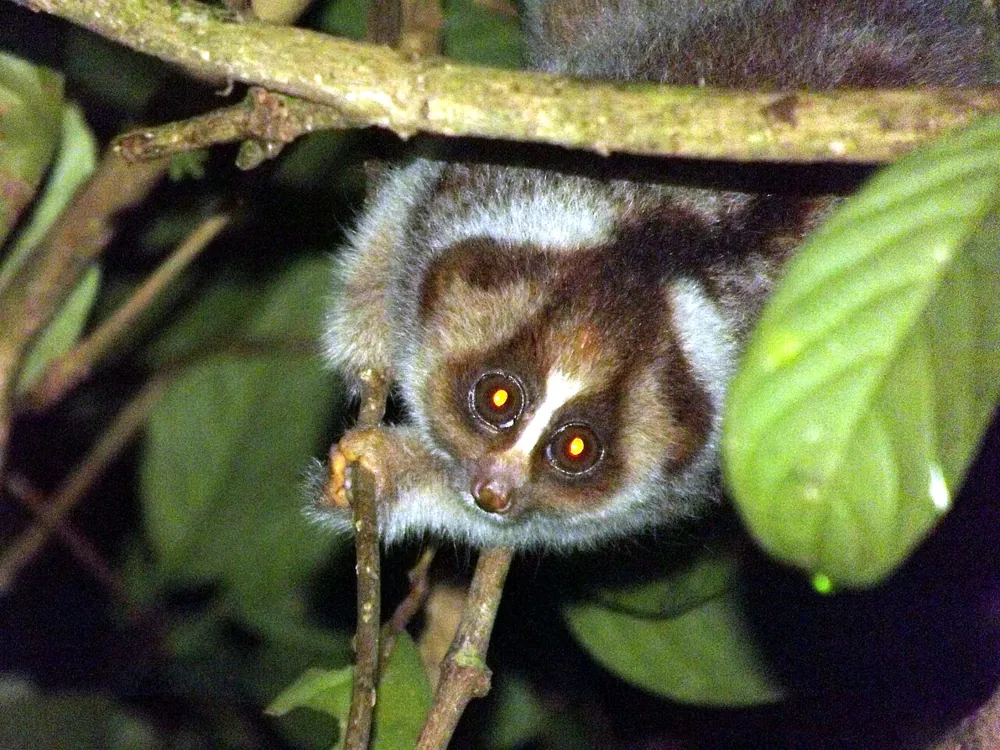
 ວິທີສັງເກດມັນ
- High contrast between its black and white facial markings1
- The stripe between its eyes is sometimes bulb-shaped rather than rectangular1
- The ears are always covered in hair1
- Its fur is generally longer and fluffier than that of the Bornean slow loris1
ມັກສັບສົນກັບ: It is often confused with the Bornean slow loris (N. menagensis). The Kayan River slow loris has more contrast in its facial markings, hairy ears instead of naked ears, and longer, fluffier fur.1
ພະລັງພິດ
ພິດອອກມາທາງເຂ້ຍ ຫຼື ແຂ້ວຂອງມັນ ເວລາມັນກັດ
ພິດທີ່ມັນປ່ອຍອອກມາເຮັດຫຍັງ?
It has a toxic bite, which is unusual among primates. A pungent, clear, oily toxin is made in a gland on the inside of its elbow. The animal licks this gland, and the secretion mixes with its saliva to become active. The toxin is also rubbed onto its fur as protection for infants.1
ມັນອັນຕະລາຍຕໍ່ຄົນປານໃດ?
ອັນຕະລາຍຕໍ່ຄົນ: ເຈັບມັນເຈັບຫຼາຍແທ້, ແຕ່ເກືອບບໍ່ເຄີຍຮ້າຍແຮງມັນເຮັດແນວໃດເວລາມັນຢ້ານ?
When threatened, it wipes the toxin from its elbow gland onto its toothcomb, and it may bite the attacker. Slow lorises can be slow to let go of a bite, which helps deliver more toxin.1
 ຖ້າມັນກັດ
- ລ້າງບາດແຜໃຫ້ສະອາດດີ ແລະ ໄປຫາໝໍ
ໂທຫາເບີສຸກເສີນກ່ອນສະເໝີ (112, 000, 911) ນີ້ແມ່ນຄຳແນະນຳການປະຖົມພະຍາບານທົ່ວໄປ, ບໍ່ແມ່ນຄຳແນະນຳທາງການແພດ ພື້ນຖານການປະຖົມພະຍາບານ
 ຢູ່ຢ່າງປອດໄພ
- ຢ່າຈັບ, ຢ່າຈັບເອົາ ຫຼື ຢ່າຫຍອກສັດປ່າເດັດຂາດ, ເຖິງແມ່ນມັນໂຕນ້ອຍ ແລະ ເຖິງແມ່ນມັນເບິ່ງຄືນອນຫຼັບ ຫຼື ຕາຍແລ້ວ
- ໃຫ້ພື້ນທີ່ມັນ ຖ້າເຈົ້າພົບມັນ, ໃຈເຢັນໄວ້, ຖອຍຫຼັງຊ້າໆ ແລະ ປ່ອຍໃຫ້ມັນໄປທາງຂອງມັນ
- ຖ້າມີໂຕໃດກັດເຈົ້າ: ໃຈເຢັນໄວ້, ຢູ່ນິ້ງໆ, ໂທຫາເບີສຸກເສີນ (112, 000, 911) ຫຼື ໄປໂຮງໝໍໃຫ້ໄວ ຈື່ໄວ້ວ່າມັນມີລັກສະນະແນວໃດ, ຮູບຖ່າຍຊ່ວຍໄດ້
ມັນບໍ່ໄດ້ຢາກທຳຮ້າຍເຈົ້າ ມັນໃຊ້ພິດເພື່ອຈັບອາຫານ ຫຼື ເພື່ອປ້ອງກັນຕົວ, ແລະ ມັນມັກລີ້ຫຼາຍກວ່າ ເພີ່ມເຕີມກ່ຽວກັບການຢູ່ຢ່າງປອດໄພ
ມັນໃຫຍ່ປານໃດ?
ມັນຍາວປານໃດ?
ມັນໜັກປານໃດ?

 ຍາວເທົ່າຕັນຕໍ່ເຄື່ອງຫຼິ້ນ 9 ອັນລຽງກັນ
 ແລ່ນ 100 ແມັດໄດ້ໃນ 180 ວິນາທີ (ຄົນທີ່ໄວທີ່ສຸດໃຊ້ 9.6)
Kayan River slow loris ໃຫຍ່ປານໃດ ເມື່ອທຽບກັບເຈົ້າ?
ພຽງແຕ່ຄິດໄລ່ໃນບຣາວເຊີຂອງເຈົ້າ ບໍ່ມີຫຍັງຖືກບັນທຶກ ຫຼື ສົ່ງໄປບ່ອນໃດ
ມັນໄວປານໃດ?


ຂໍ້ມູນ
It is one of the few primates known to have a toxic bite, and this is a unique feature among primates.1
Its face mask may help it recognise other lorises of its own kind, and it may also make its eyes look bigger than they really are, which can deter predators.1
It has a toothcomb, a set of specialised lower front teeth that it uses for grooming.1
Its population is estimated to have fallen by more than 30% over about 21 to 24 years.1
ນັກລົບລ້າງຄວາມເຊື່ອຜິດໆ
ຄວາມເຊື່ອຜິດໆ: The Kayan River slow loris was always known as a separate species.
ຄວາມຈິງ: Until 2013 its museum specimens were identified as the Bornean slow loris. A study of facial markings then showed it was a distinct species.1
ຂໍ້ມູນມາຈາກໃສ
- Nycticebus kayan (Wikipedia (CC BY-SA 4.0))
- Nycticebus kayan (iNaturalist): ຊື່ ແລະ ການຈັດໝວດໝູ່
- Venom Wiki: ລະດັບອັນຕະລາຍ, ຂະໜາດທົ່ວໄປ ແລະ ຄວາມໄວທີ່ຄາດຄະເນ ແມ່ນຂອງພວກເຮົາເອງ ເບິ່ງວ່າພວກເຮົາຄິດໄລ່ແນວໃດ: ພວກເຮົາໃຫ້ຄະແນນອັນຕະລາຍແນວໃດ.
ທຸກຂໍ້ມູນໃນໜ້ານີ້ມີຕົວເລກທີ່ຊີ້ໄປຫາແຫຼ່ງທີ່ມາ ຖ້າພວກເຮົາຜິດພາດ, ຂໍໂທດເດີ້, ພວກເຮົາເປັນຄົນມັກສັດ ບໍ່ແມ່ນວາລະສານວິທະຍາສາດ ບອກພວກເຮົາທີ່ [email protected] ແລ້ວພວກເຮົາຈະແກ້ໄຂ
 ແມງເງົາຫິວແລ້ວ! Venom Wiki ເປັນໂຄງການຂອງຄົນຄົນດຽວ: ຟຣີ, ບໍ່ມີໂຄສະນາ ແລະ ບໍ່ມີຕົວຕິດຕາມ ທິບນ້ອຍໆຊ່ວຍໃຫ້ມັນຢູ່ອອນລາຍຕໍ່ໄປໄດ້ໃຫ້ອາຫານແມງເງົາ
ເພີ່ມເຕີມຈາກກຸ່ມດຽວກັນ: ສັດລ້ຽງລູກດ້ວຍນົມທີ່ມີພິດ
 Bengal slow lorisສັດລ້ຽງລູກດ້ວຍນົມທີ່ມີພິດພຽງແຕ່ເຈັບ
 Javan slow lorisສັດລ້ຽງລູກດ້ວຍນົມທີ່ມີພິດພຽງແຕ່ເຈັບ
 Pygmy slow lorisສັດລ້ຽງລູກດ້ວຍນົມທີ່ມີພິດພຽງແຕ່ເຈັບ
 Sunda slow lorisສັດລ້ຽງລູກດ້ວຍນົມທີ່ມີພິດພຽງແຕ່ເຈັບ
 Philippine slow lorisສັດລ້ຽງລູກດ້ວຍນົມທີ່ມີພິດພຽງແຕ່ເຈັບ
 Eurasian water shrewສັດລ້ຽງລູກດ້ວຍນົມທີ່ມີພິດບໍ່ມີອັນຕະລາຍ
 Deathstalker
 Indian cobra
 Indian saw-scaled viper
 King cobra
 Puff adder
 Russell's viper