
 ອາຟຣິກາ
 ອາຊີ
ອາຊີ ເອີຣົບ
 ອາເມລິກາໃຕ້
 ອົດສະຕຣາລີ ແລະ ໂອເຊຍເນຍ
 ແອນຕາກຕິກາ
 ມະຫາສະໝຸດປາຊີຟິກ
 ມະຫາສະໝຸດອັດລັງຕິກ
 ມະຫາສະໝຸດອິນເດຍ
 ມະຫາສະໝຸດອາກຕິກ
 ທະເລເມດິເຕີເຣນຽນ
 ທະເລແດງ
 ທະເລຄາຣິບບຽນ
 ທະເລຄໍຣັລ
 ທະເລຈີນໃຕ້
 ທະເລຟິລິບປິນ
 ທະເລອັນດາມັນ
 ທະເລເໜືອ
 ທະເລຕີມໍ ແລະ ທະເລອາຣາຟູຣາ
 ອ່າວເບັງກອນ
 ອ່າວແຄລິຟໍເນຍ
Night anemone
 ໜວດພິດ
The night anemone is a sea anemone, a soft animal related to jellyfish that attaches itself to the seabed. It lives in shallow seas in the central Indo-West Pacific, including Indonesia, the Philippines and southern Japan. It is venomous, and its sting can cause a painful injury that lasts a long time.1

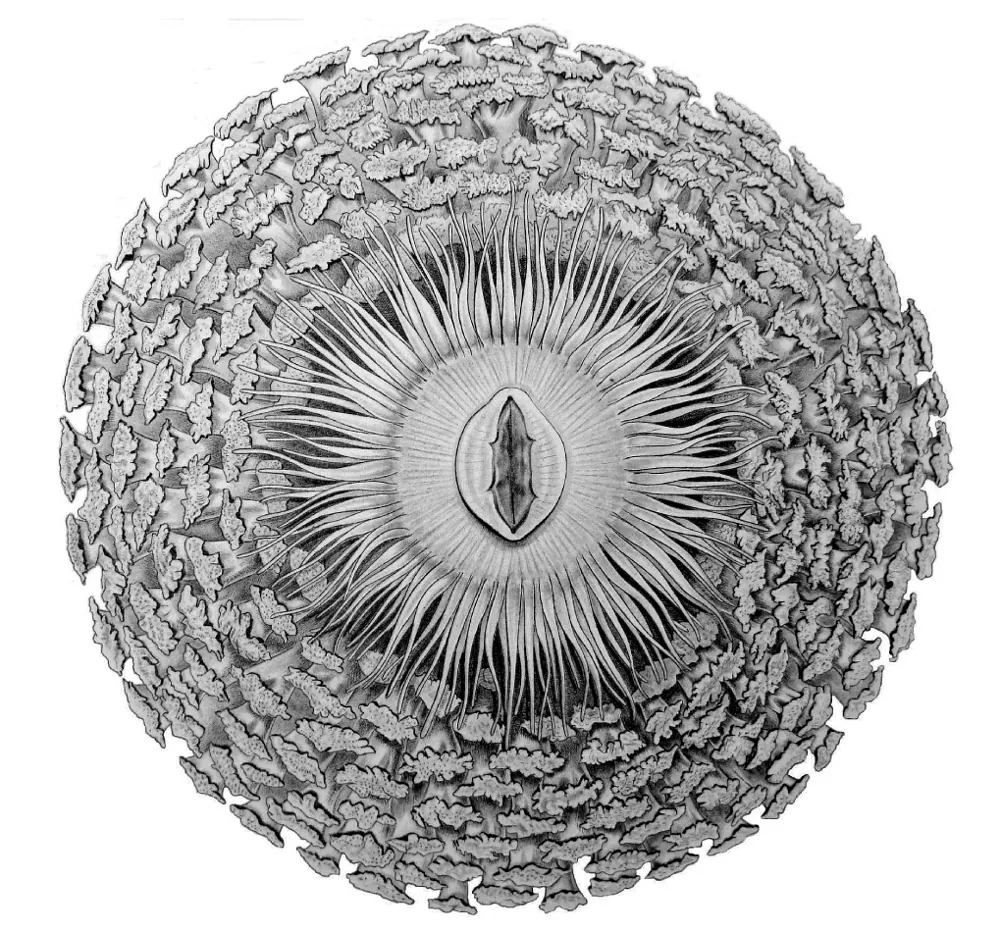
 ວິທີສັງເກດມັນ
- Has a broad base that attaches it to the seabed.1
- Has branching, stalked outgrowths called pseudo-tentacles, which vary a lot between individuals.1
- Some individuals look like smooth discs, branching coral, or dead coral rock covered in algae.1
- The mouth ring has up to 160 long tentacles, seen when it is feeding at night.1
ມັກສັບສົນກັບ: It is often mistaken for corals, algae or dead coral rock, because it copies their shape and colour. During the day it pulls its mouth and tentacles inside, so it may not look like a sea anemone at all.1
ພະລັງພິດ
ເຊວເຂັມພິດນ້ອຍໆຫຼາຍພັນເຊວ ຍິງອອກເມື່ອມີຫຍັງມາແຕະພວກມັນ
ພິດທີ່ມັນປ່ອຍອອກມາເຮັດຫຍັງ?
Its venom contains several haemolytic toxins, which break down red blood cells. Human contact can cause severe dermatitis, with swelling and ulceration of the affected skin that may last for months. On rare occasions it causes acute kidney damage, and it is the first sea anemone whose venom has been shown to do this. The venom does not appear to affect other major organs.1
ມັນອັນຕະລາຍຕໍ່ຄົນປານໃດ?
ອັນຕະລາຍຕໍ່ຄົນ: ອັນຕະລາຍຫຼາຍມັນເຮັດໃຫ້ຄົນທີ່ບໍ່ໄດ້ຮັບການປິ່ນປົວເສຍຊີວິດໄດ້Its sting is painful and long-lasting. On rare occasions it can cause acute kidney damage.1
ມັນເຮັດແນວໃດເວລາມັນຢ້ານ?
It uses camouflage, mimicry and masquerade to blend into its surroundings, which helps it deceive prey and confuse predators.1
 ຖ້າມັນຕອດ
- ຂຶ້ນຈາກນ້ຳ ແລະ ເກັບໜວດພິດອອກ (ໃຊ້ຖົງມື ຫຼື ຜ້າ)
- ສຳລັບແມງກະພຸນກ່ອງເຂດຮ້ອນ: ເທນ້ຳສົ້ມສາຍຊູໃສ່ບ່ອນຖືກຕອດຢ່າງໜ້ອຍ 30 ວິນາທີ, ໂທຂໍຄວາມຊ່ວຍເຫຼືອ ແລະ ກຽມພ້ອມເຮັດ CPR (ການກູ້ຊີບ) ສຳລັບແມງກະພຸນຂວດສີຟ້າ ແລະ ຊະນິດອື່ນໆສ່ວນຫຼາຍ: ລ້າງດ້ວຍນ້ຳທະເລ, ແລ້ວໃຊ້ນ້ຳຮ້ອນເພື່ອບັນເທົາຄວາມເຈັບ
ໂທຫາເບີສຸກເສີນກ່ອນສະເໝີ (112, 000, 911) ນີ້ແມ່ນຄຳແນະນຳການປະຖົມພະຍາບານທົ່ວໄປ, ບໍ່ແມ່ນຄຳແນະນຳທາງການແພດ ພື້ນຖານການປະຖົມພະຍາບານ
 ຢູ່ຢ່າງປອດໄພ
- ຢ່າຈັບ, ຢ່າຈັບເອົາ ຫຼື ຢ່າຫຍອກສັດປ່າເດັດຂາດ, ເຖິງແມ່ນມັນໂຕນ້ອຍ ແລະ ເຖິງແມ່ນມັນເບິ່ງຄືນອນຫຼັບ ຫຼື ຕາຍແລ້ວ
- ໃຫ້ພື້ນທີ່ມັນ ຖ້າເຈົ້າພົບມັນ, ໃຈເຢັນໄວ້, ຖອຍຫຼັງຊ້າໆ ແລະ ປ່ອຍໃຫ້ມັນໄປທາງຂອງມັນ
- ຖ້າມີໂຕໃດຕອດເຈົ້າ: ໃຈເຢັນໄວ້, ຢູ່ນິ້ງໆ, ໂທຫາເບີສຸກເສີນ (112, 000, 911) ຫຼື ໄປໂຮງໝໍໃຫ້ໄວ ຈື່ໄວ້ວ່າມັນມີລັກສະນະແນວໃດ, ຮູບຖ່າຍຊ່ວຍໄດ້
ມັນບໍ່ໄດ້ຢາກທຳຮ້າຍເຈົ້າ ມັນໃຊ້ພິດເພື່ອຈັບອາຫານ ຫຼື ເພື່ອປ້ອງກັນຕົວ, ແລະ ມັນມັກລີ້ຫຼາຍກວ່າ ເພີ່ມເຕີມກ່ຽວກັບການຢູ່ຢ່າງປອດໄພ
ຢູ່ໃສໃນໂລກ?
ມັນໃຫຍ່ປານໃດ?
ມັນຍາວປານໃດ?
 ຍາວເທົ່າຕັນຕໍ່ເຄື່ອງຫຼິ້ນ 5 ອັນລຽງກັນ
 ຊ້າກວ່າຫອຍທາກໃນສວນ
Night anemone ໃຫຍ່ປານໃດ ເມື່ອທຽບກັບເຈົ້າ?
ພຽງແຕ່ຄິດໄລ່ໃນບຣາວເຊີຂອງເຈົ້າ ບໍ່ມີຫຍັງຖືກບັນທຶກ ຫຼື ສົ່ງໄປບ່ອນໃດ
ມັນໄວປານໃດ?


ຂໍ້ມູນ
It was the first sea anemone found to have venom that damages the kidneys and can cause acute renal failure.1
Its venom kills shrimp and breaks down sheep red blood cells in laboratory tests.1
Its pseudo-tentacles contain symbiotic dinoflagellates, tiny organisms that photosynthesise, so it gets some energy from light.1
It hides its tentacles and mouth during the day, when it spreads out its pseudo-tentacles to catch sunlight.1
ສຳລັບຜູ້ຊ່ຽວຊານດ້ານພິດ
- ຊື່ວິທະຍາສາດ
- Phyllodiscus semoni
- ກຸ່ມ
- ແມງກະພຸນ ແລະ ສັດທະເລທີ່ຕອດໄດ້
- ຄອບຄົວ
- Aliciidae2
- ອັນດັບ
- Actiniaria
- ທະວີບຕ່າງໆ
- ມະຫາສະໝຸດອິນເດຍ, ມະຫາສະໝຸດປາຊີຟິກ, ທະເລແດງ, ທະເລຕີມໍ ແລະ ທະເລອາຣາຟູຣາ, ມະຫາສະໝຸດ
- ລູກສັດ
- Colonies are likely clones formed by asexual reproduction, possibly by fragmentation when the anemone moves across the seabed.1
- ອັນຕະລາຍຕໍ່ຄົນ
- 4 / 5: ອັນຕະລາຍຫຼາຍ3
ຂໍ້ມູນມາຈາກໃສ
- Phyllodiscus (Wikipedia (CC BY-SA 4.0))
- Phyllodiscus semoni (iNaturalist): ຊື່ ແລະ ການຈັດໝວດໝູ່
- Venom Wiki: ລະດັບອັນຕະລາຍ, ຂະໜາດທົ່ວໄປ ແລະ ຄວາມໄວທີ່ຄາດຄະເນ ແມ່ນຂອງພວກເຮົາເອງ ເບິ່ງວ່າພວກເຮົາຄິດໄລ່ແນວໃດ: ພວກເຮົາໃຫ້ຄະແນນອັນຕະລາຍແນວໃດ.
ທຸກຂໍ້ມູນໃນໜ້ານີ້ມີຕົວເລກທີ່ຊີ້ໄປຫາແຫຼ່ງທີ່ມາ ຖ້າພວກເຮົາຜິດພາດ, ຂໍໂທດເດີ້, ພວກເຮົາເປັນຄົນມັກສັດ ບໍ່ແມ່ນວາລະສານວິທະຍາສາດ ບອກພວກເຮົາທີ່ [email protected] ແລ້ວພວກເຮົາຈະແກ້ໄຂ
 ແມງເງົາຫິວແລ້ວ! Venom Wiki ເປັນໂຄງການຂອງຄົນຄົນດຽວ: ຟຣີ, ບໍ່ມີໂຄສະນາ ແລະ ບໍ່ມີຕົວຕິດຕາມ ທິບນ້ອຍໆຊ່ວຍໃຫ້ມັນຢູ່ອອນລາຍຕໍ່ໄປໄດ້ໃຫ້ອາຫານແມງເງົາ
ເພີ່ມເຕີມຈາກກຸ່ມດຽວກັນ: ແມງກະພຸນ ແລະ ສັດທະເລທີ່ຕອດໄດ້
 Australian box jellyfishແມງກະພຸນ ແລະ ສັດທະເລທີ່ຕອດໄດ້ເຖິງຕາຍຫ້າມຈັບ
 Irukandji jellyfishແມງກະພຸນ ແລະ ສັດທະເລທີ່ຕອດໄດ້ເຖິງຕາຍໄດ້ຫ້າມຈັບ
 Portuguese man o' warແມງກະພຸນ ແລະ ສັດທະເລທີ່ຕອດໄດ້ຕ້ອງໄປຫາໝໍຫ້າມຈັບ
 Lion's mane jellyfishແມງກະພຸນ ແລະ ສັດທະເລທີ່ຕອດໄດ້ພຽງແຕ່ເຈັບຫ້າມຈັບ
 Moon jellyfishແມງກະພຸນ ແລະ ສັດທະເລທີ່ຕອດໄດ້ບໍ່ມີອັນຕະລາຍ
 Common kingslayerແມງກະພຸນ ແລະ ສັດທະເລທີ່ຕອດໄດ້ເຖິງຕາຍໄດ້ຫ້າມຈັບ
ຍັງອາໄສຢູ່ໃນ: ມະຫາສະໝຸດອິນເດຍ
 Geography coneຫອຍເຕົ້າປູນ ແລະ ປາມຶກເຖິງຕາຍ
 Greater blue-ringed octopusຫອຍເຕົ້າປູນ ແລະ ປາມຶກເຖິງຕາຍ
 Southern blue-ringed octopusຫອຍເຕົ້າປູນ ແລະ ປາມຶກເຖິງຕາຍ
 Hawksbill sea turtleສັດມີພິດໃນຕົວອື່ນໆເຖິງຕາຍໄດ້
 Reef stonefishປາທີ່ມີພິດເຖິງຕາຍໄດ້ຫ້າມຈັບ
 Crown-of-thorns starfishເໝັ້ນທະເລ, ດາວທະເລ ແລະ ໜອນຕ້ອງໄປຫາໝໍຫ້າມຈັບ